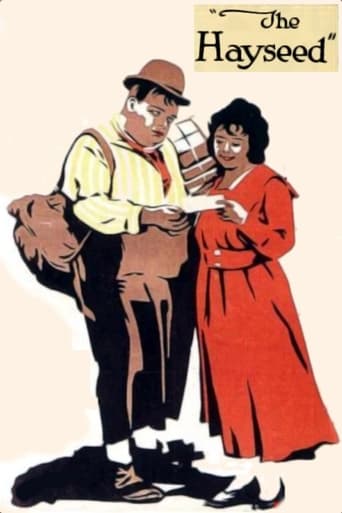
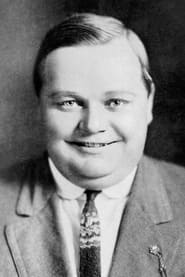
Roscoe 'Fatty' Arbuckle
Actor & Director
Born: March 24, 1887 in Smith Center, Kansas, USA Died: June 29, 1933 Active: 1909-1933 Birth Name: Roscoe Conkling Arbuckle
Films
58 films
A Film Johnnie
1914
Go West
1925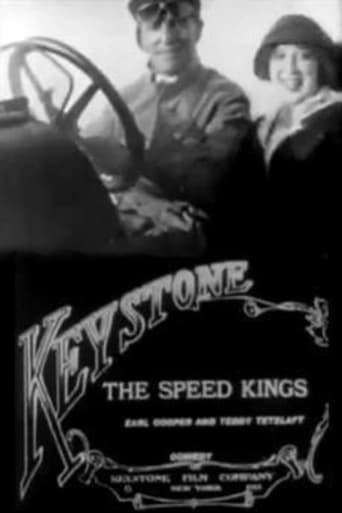
The Speed Kings
1913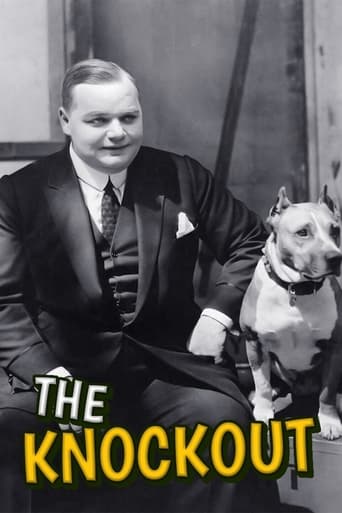
The Knockout
1914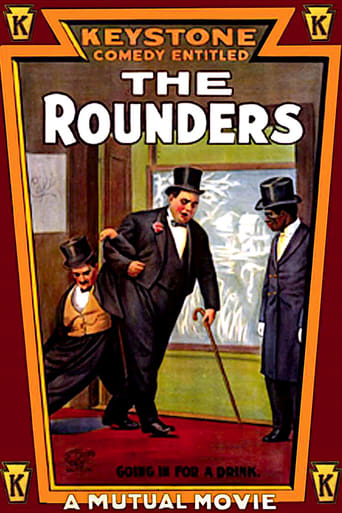
The Rounders
1914
Mabel, Fatty and the Law
1915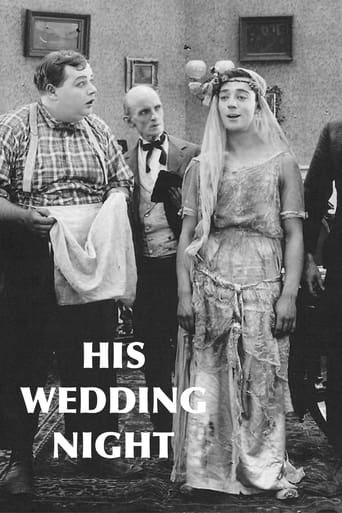
His Wedding Night
1917
Tango Tangles
1914
His Favorite Pastime
1914
The Masquerader
1914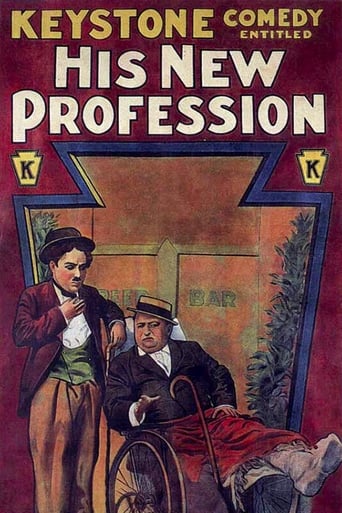
His New Profession
1914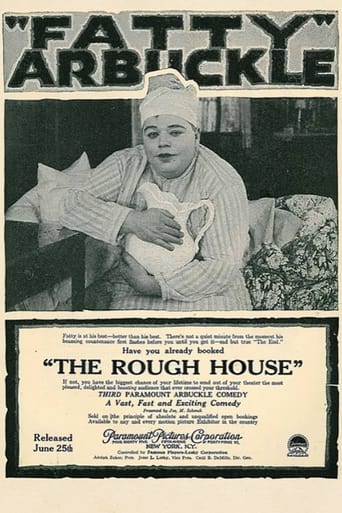
The Rough House
1917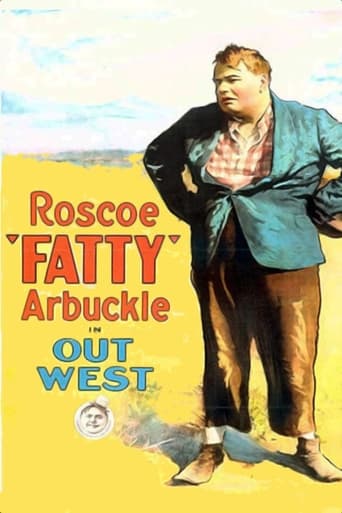
Out West
1918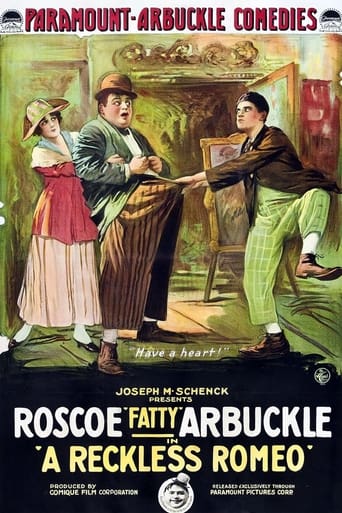
A Reckless Romeo
1917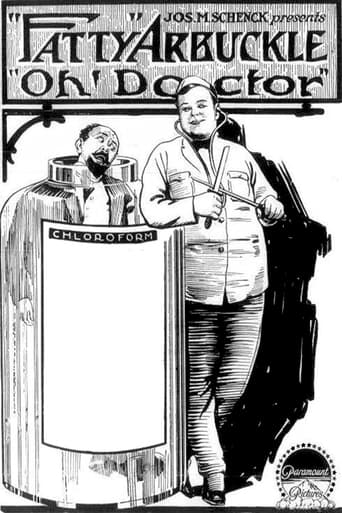
Oh, Doctor!
1917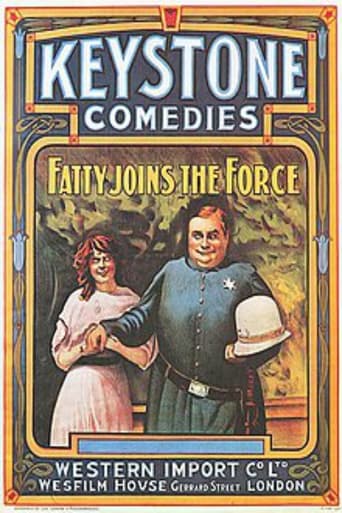
Fatty Joins the Force
1913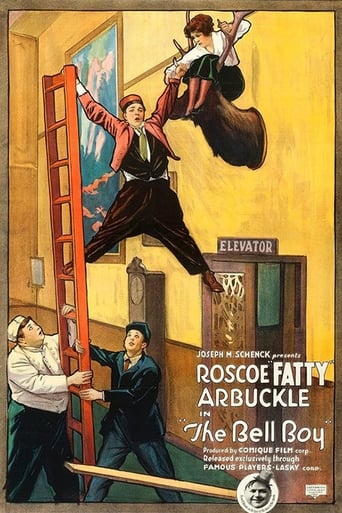
The Bell Boy
1918
Peeping Pete
1913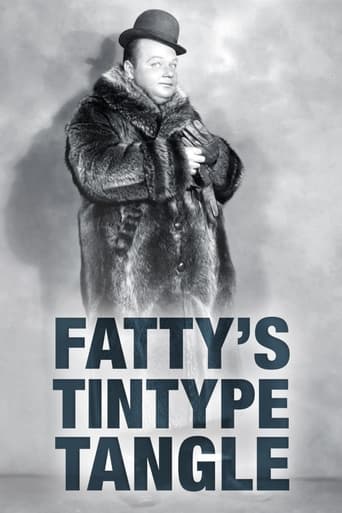
Fatty's Tintype Tangle
1915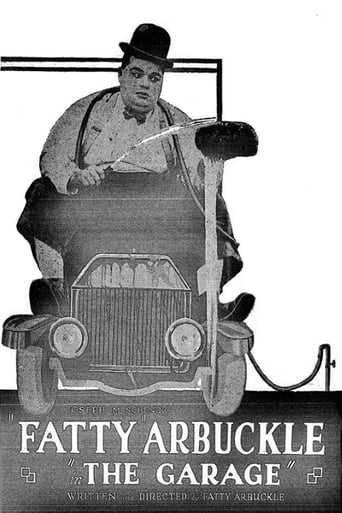
The Garage
1920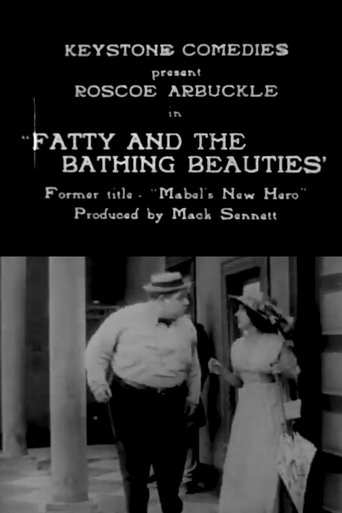
Mabel's New Hero
1913
A Bandit
1913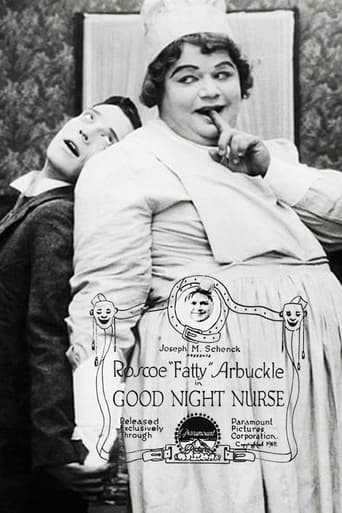
Good Night, Nurse!
1918
Coney Island
1917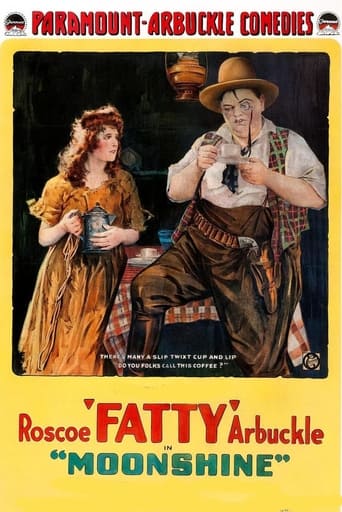
Moonshine
1918
Fatty's Magic Pants
1914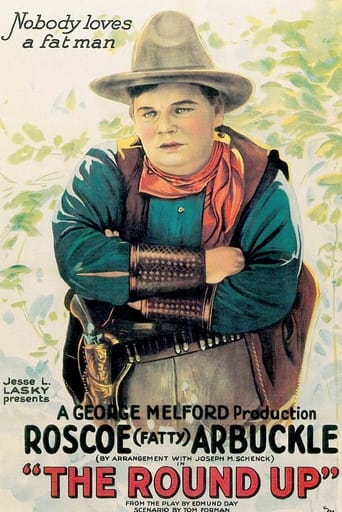
The Round-Up
1920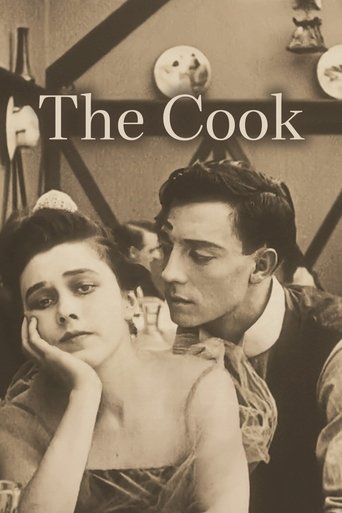
The Cook
1918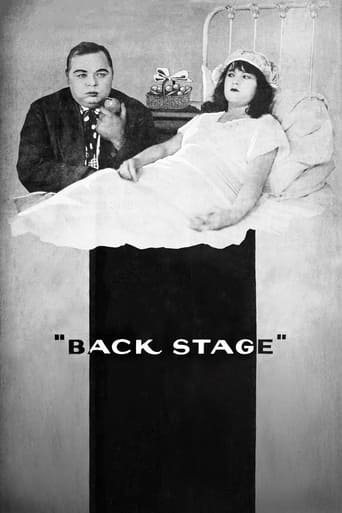
Back Stage
1919
That Little Band Of Gold
1915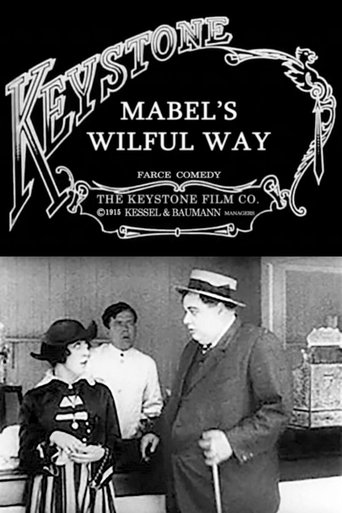
Mabel’s Wilful Way
1915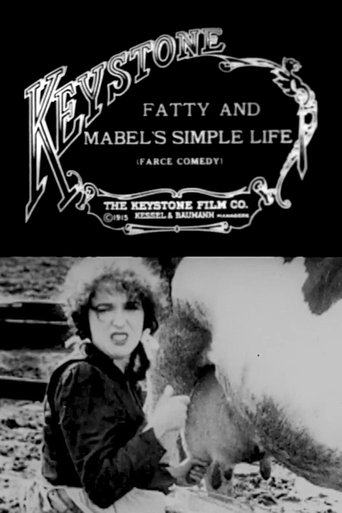
Fatty and Mabel’s Simple Life
1915
A Flirt's Mistake
1914
The Little Teacher
1915
Those Country Kids
1914
Wished on Mabel
1915
When Love Took Wings
1915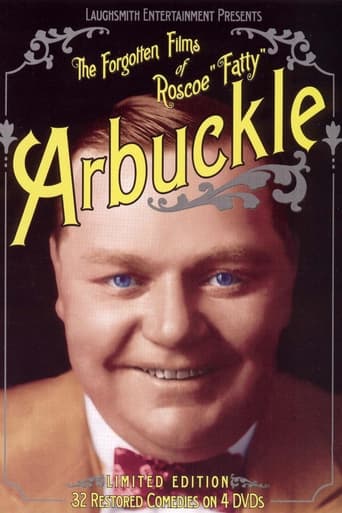
Fatty’s Chance Acquaintance
1915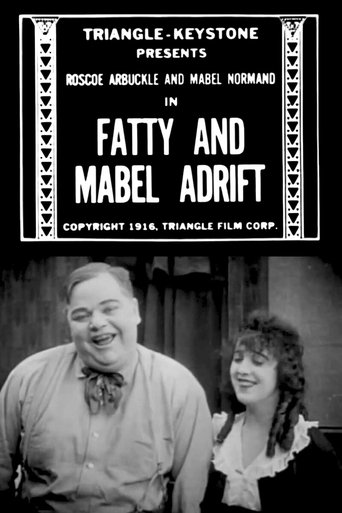
Fatty and Mabel Adrift
1916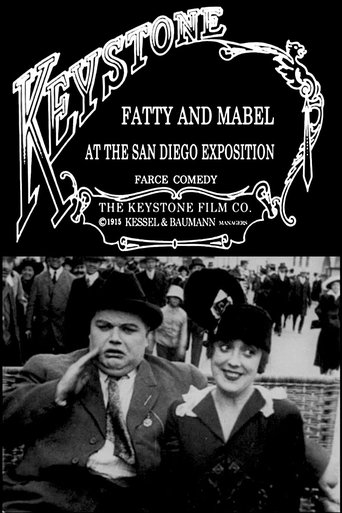
Fatty and Mabel at the San Diego Exposition
1915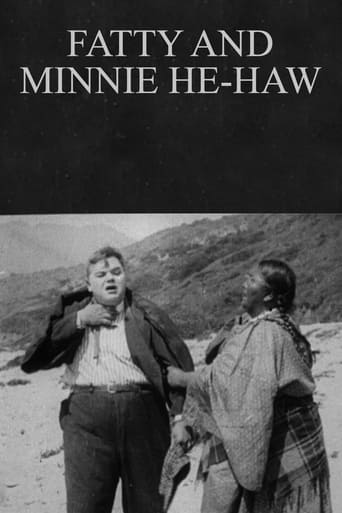
Fatty and Minnie He-Haw
1914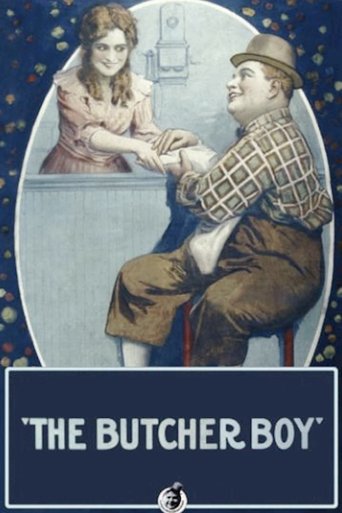
The Butcher Boy
1917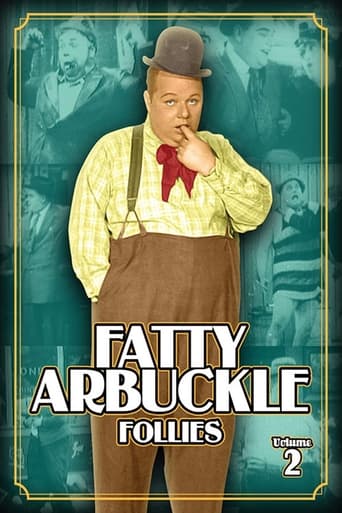
Mabel and Fatty’s Married Life
1915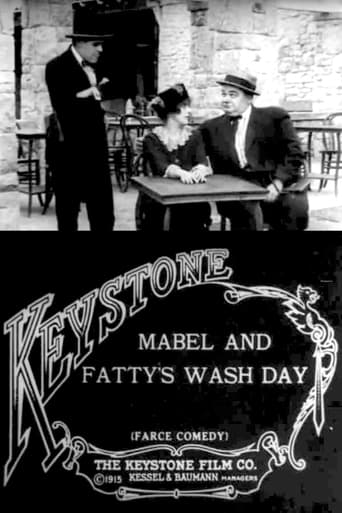
Mabel and Fatty's Wash Day
1915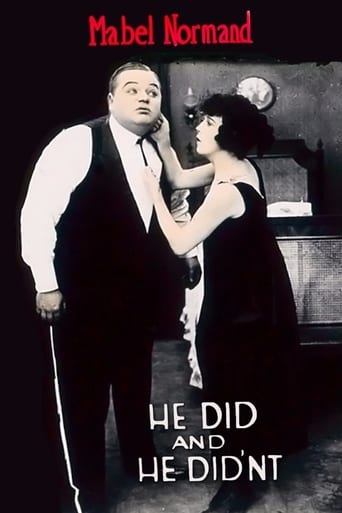
He Did and He Didn’t
1916 Leading Lizzie Astray
1914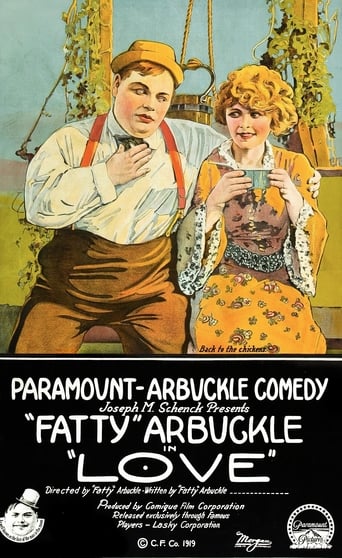
Love
1919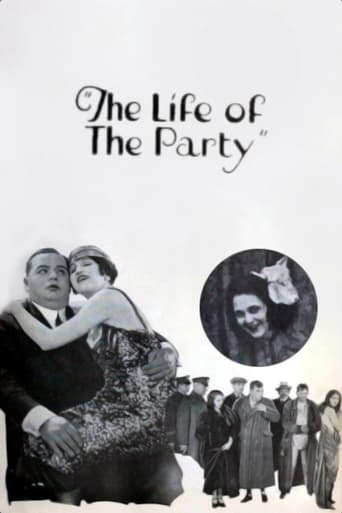
The Life of the Party
1920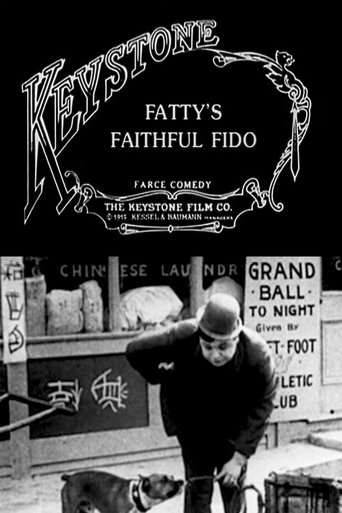
Fatty’s Faithful Fido
1915 Fatty’s Reckless Fling
1915 Fatty's New Role
1915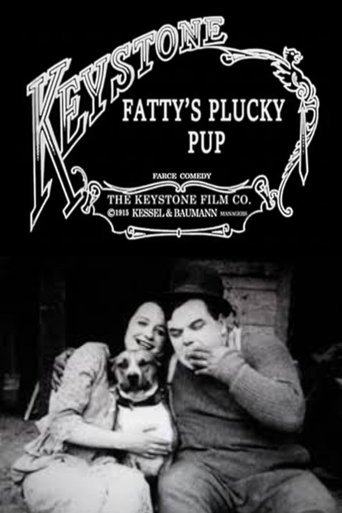
Fatty’s Plucky Pup
1915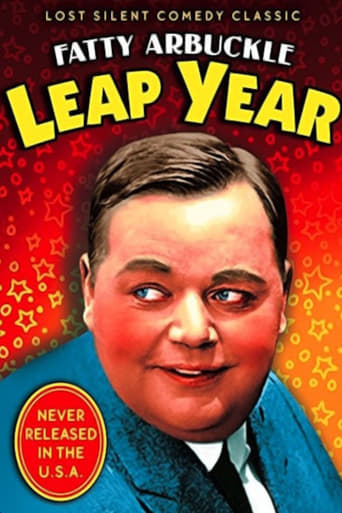
Leap Year
1924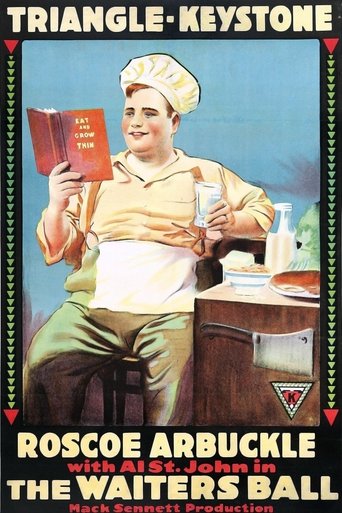
The Waiters' Ball
1916
Mabel and Fatty Viewing the World's Fair at San Francisco
1915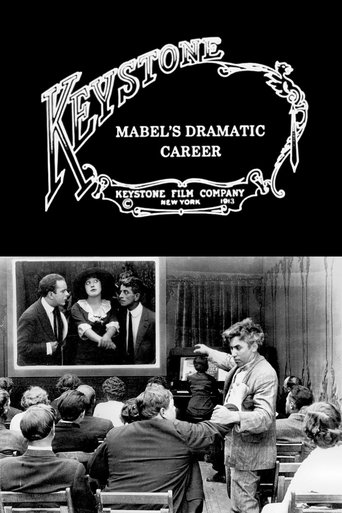
Mabel's Dramatic Career
1913
Curses
1925About Roscoe 'Fatty' Arbuckle
Roscoe 'Fatty' Arbuckle was and popular silent film comedians of the 1910s, known for his remarkable physical comedy skills and gentle demeanor despite his massive physique. Born in Kansas in 1887, Arbuckle began his entertainment career in vaudeville before transitioning to films in 1909, quickly becoming a star at Mack Sennett's Keystone Studios where he developed his signature style of comedy. He directed and starred in hundreds of short comedies between 1913 and 1921, becoming one of the highest-paid actors in Hollywood with contracts worth over $1 million annually. Arbuckle was instrumental in launching the careers of future comedy legends, including discovering and mentoring Charlie Chaplin, Buster Keaton, and Bob Hope. His career was tragically derailed in 1921 when he was falsely accused of manslaughter following a party at a San Francisco hotel, leading to three highly publicized trials and an industry-wide blacklist despite his eventual acquittal. After the scandal, Arbuckle worked under the pseudonym William Goodrich as a director, helming numerous comedy shorts for lesser-known studios, before mounting a brief but successful comeback as an actor in 1932. He died of a heart attack in 1933 on the very day he signed a contract with Warner Bros. For a feature film comeback, leaving behind a complex legacy as both a comedy pioneer and victim of Hollywood's first major scandal.
The Craft
On Screen
Arbuckle's acting style was characterized by a unique blend of graceful physical comedy and gentle, likable persona that defied his massive size. Unlike many heavyset comedians who relied on clumsy falling routines, Arbuckle moved with surprising agility and elegance, performing sophisticated pratfalls and acrobatic stunts with remarkable dexterity. His comedy was often more situational and character-driven than purely slapstick, featuring a sweet-natured, childlike innocence that made audiences root for his characters despite their mischievous tendencies. Arbuckle pioneered the 'fat comedian' archetype but elevated it beyond mere physical gags, using his size as a tool for visual comedy while maintaining an underlying dignity and charm.
Behind the Camera
As a director, Arbuckle was known for his innovative camera techniques and sophisticated understanding of visual comedy, often employing tracking shots, close-ups, and dynamic camera movement that were ahead of their time. He had a keen eye for comic timing and spatial relationships, meticulously choreographing complex physical gags with multiple performers in frame. Arbuckle's direction emphasized character development alongside slapstick, creating more emotionally resonant comedies than typical Keystone fare. He was particularly skilled at discovering and showcasing talent, giving his collaborators freedom to develop their own comic styles while maintaining overall narrative coherence.
Milestones
- Signed first film contract with Selig Polyscope Company in 1909
- Joined Keystone Studios in 1913 and became their top star
- Mentored Charlie Chaplin when he joined Keystone in 1914
- Signed record-breaking $3,000 per week contract with Paramount in 1918
- Directed and starred in over 200 comedy shorts between 1913-1921
- Became one of the first actors to earn $1 million annually
- Successfully returned to acting in 1932 after industry blacklist
Best Known For
Iconic Roles
Must-See Films
Accolades
Special Recognition
- Posthumous star on the Hollywood Walk of Fame (1960)
- Inducted into the Hall of Fame of the International Comedy Hall of Fame
- Film preservation efforts by the Library of Congress for several of his films
- Retrospective film festivals celebrating his work worldwide
Working Relationships
Worked Often With
Studios
Why They Matter
Impact on Culture
Roscoe Arbuckle fundamentally shaped the development of American film comedy through his innovative approach to physical humor and character-driven storytelling. His work at Keystone Studios helped establish the template for silent comedy that would dominate American cinema throughout the 1910s, influencing countless performers who followed. Arbuckle's sophisticated use of camera movement and editing in comedy films pushed the boundaries of cinematic language during cinema's formative years. His discovery and mentoring of future comedy legends like Charlie Chaplin and Buster Keaton had a ripple effect that shaped comedy for generations. The scandal that destroyed his career also had a profound cultural impact, leading to the establishment of Hollywood's morality codes and the creation of the Hays Office, which would regulate film content for decades. His tragic story became a cautionary tale about the power of media sensationalism and the fragility of celebrity in American culture.
Lasting Legacy
Arbuckle's legacy is complex and multifaceted, encompassing both his contributions to film comedy and his role as a victim of Hollywood's first major scandal. Film historians now recognize him as. His films have been preserved and celebrated by film archives worldwide, with many being recognized as classics of early cinema. The rehabilitation of his reputation in recent decades has led to a reevaluation of his work and a recognition of his importance in film history. Arbuckle's story has become emblematic of the darker side of Hollywood's golden age, illustrating how quickly fame could turn to infamy in the early film industry. His influence can be seen in the work of countless comedians who followed, from the Three Stooges to modern physical comedians who continue to draw inspiration from his innovative approach to slapstick humor.
Who They Inspired
Arbuckle's influence on comedy extends far beyond his own films, as he essentially created the template for ensemble comedy that would dominate American cinema. His discovery and mentorship of Charlie Chaplin directly shaped the development of the most iconic film comedian of all time, while his collaboration with Buster Keaton helped launch another comedy legend. The physical comedy techniques he developed influenced generations of performers, from the Marx Brothers to Jerry Lewis and Jim Carrey. His directing style, with its sophisticated camera work and visual storytelling, influenced not just comedy directors but filmmakers across genres. The ensemble comedy format he pioneered, featuring multiple comic characters interacting in increasingly chaotic situations, became the foundation for television sitcoms and comedy films throughout the 20th century. Even his tragic story influenced Hollywood, leading to industry reforms that would shape film production and star management for decades.
Off Screen
Arbuckle's personal life was marked by both professional success and personal tragedy. He married actress Minta Durfee in 1908, and their marriage lasted until 1925, though they separated in 1921 due to his career pressures and the scandal. After his divorce from Durfee, he married Doris Deane in 1925, a union that ended in 1929. In 1932, he married Addie McPhail, who remained with him until his death. Arbuckle had no biological children but was known to be generous with his extended family and colleagues. Despite his public image as a jolly comedian, he suffered from depression and alcoholism, particularly during his years of blacklisting.
Education
Limited formal education; attended public schools in Kansas and briefly studied music before running away to join a traveling theater company at age 8
Family
- Minta Durfee (1908-1925)
- Doris Deane (1925-1929)
- Addie McPhail (1932-1933)
Did You Know?
- Arbuckle was so popular that in 1918 he became the first actor to receive a million-dollar annual contract from Paramount Pictures
- He mentored Charlie Chaplin when Chaplin first arrived at Keystone, teaching him film comedy techniques
- Arbuckle could perform incredible acrobatic feats despite his 300+ pound weight, including backflips and cartwheels
- He directed over 100 films, many of which are now considered lost
- The scandal that ruined his career involved accusations that were later proven false, and he received formal apologies from the courts
- Buster Keaton credited Arbuckle with teaching him everything he knew about filmmaking
- Arbuckle was one of the first celebrities to have his personal life become tabloid fodder
- His comeback film in 1932 was well-received, but he died before completing his Warner Bros. Contract
- The term 'fatty' in his stage name was actually a term of endearment, not an insult
- He was a talented singer and musician who could play multiple instruments
- Arbuckle was one of the first actors to form his own production company
- His films were among the first to use sophisticated editing techniques for comedic effect
In Their Own Words
This is the worst day of my life. The headlines in the papers proclaim that I am a monster. I am not. I am an innocent man. - Statement during his first trial (1921)
The only thing I'm guilty of is being too fat and too successful. - Response to media during his trials
Comedy is a serious business. You have to be smart to be funny. - On his approach to comedy
I discovered Chaplin. I taught him everything he knew about film comedy. - On mentoring Charlie Chaplin
They can take away my career, but they can't take away my talent. - During his blacklisting period
Frequently Asked Questions
Who was Roscoe 'Fatty' Arbuckle?
Silent film comedian, actor, and on YTB.my. He was known for his remarkable physical comedy skills and for mentoring future comedy legends like Charlie Chaplin and Buster Keaton before his career was derailed by a scandal in 1921.
What films is Roscoe Arbuckle best known for?
Titles linked here include The Butcher Boy (1917), Coney Island (1917).
When was Roscoe Arbuckle born and when did he die?
Born March 24, 1887; died June 29, 1933.
What awards did Roscoe Arbuckle win?
During his lifetime, Arbuckle did not receive major awards due to the scandal that cut short his career, but he has been posthumously honored with a star on the Hollywood Walk of Fame and has been inducted into various comedy halls of fame. His films have been preserved by the Library of Congress for their cultural significance.
What was Roscoe Arbuckle's acting and directing style?
Arbuckle's acting style combined graceful physical comedy with a gentle, likable persona that defied his massive size. As a director, he was innovative, using sophisticated camera techniques and emphasizing character development alongside slapstick, creating more emotionally resonant comedies than typical of the era.
How did Roscoe Arbuckle influence other comedians?
Arbuckle directly mentored Charlie Chaplin at Keystone Studios and collaborated with Buster Keaton, helping launch both careers. His ensemble comedy format and physical comedy techniques influenced generations of performers from the Marx Brothers to modern comedians. He essentially created the template for American film comedy that would dominate for decades.
What was the scandal that ended Roscoe Arbuckle's career?
In 1921, Arbuckle was falsely accused of manslaughter following the death of actress Virginia Rappe after a party. Despite three trials and an eventual acquittal with a formal apology from the jury, the scandal led to his blacklisting by Hollywood studios and the temporary destruction of his career.
Did Roscoe Arbuckle ever make a comeback?
Yes, Arbuckle made a brief but successful comeback in 1932 with a series of short comedies for Educational Pictures, which were well-received by critics and audiences. He had just signed a feature film contract with Warner Bros. When he died of a heart attack in 1933, ending his comeback before it could fully materialize.