

The Garage
"They wreck the car, then lose their own firehouse"
Keys: Space play/pause · ←/→ 10s · F fullscreen · M mute · </> speed
About this film
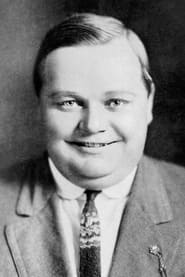
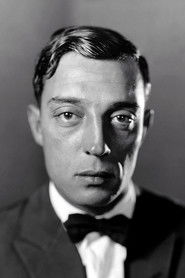
Roscoe and Buster operate a combination garage and fire station. In the first half they destroy a car left for them to clean. In the second half they go off on a false alarm and return to find their own building on fire.
Cast & crew
More Comedy films
View all →






More from Roscoe 'Fatty' Arbuckle
View all →
More about this film
About the production
Release dateMarch 15, 1920
Box officeExact figures unavailable, but Arbuckle's comedies were highly profitable for Paramount
ProductionComique Film Corporation, Paramount Pictures
Filmed inLos Angeles, California, Paramount Studios lot
This was one of the final collaborations between Arbuckle and Keaton before Keaton began his solo career. The fire scenes were filmed using real fire with minimal safety precautions, typical of the era. The luxury car destroyed in the film was reportedly a genuine vehicle, not a prop. The production utilized the same fire station set that had been used in previous Arbuckle comedies, modified for this specific film.
Themes
Incompetence and chaosThe destructive nature of technologyHeroism and its failuresCollaboration and partnershipThe comedy of disaster
Themes & topics
garagefire stationautomobiledestructionfirefightingslapstickphysical comedymechanicsfalse alarmchaos
Historical background
Silent-era audiences encountered The Garage around 1920, as studios refined cross-cutting and star-driven storytelling.
Why this film matters
The Garage shows how silent filmmakers conveyed plot through gesture, title cards, and editing.
Making of
The production of 'The Garage' represented the culmination of the creative partnership between Arbuckle and Keaton, who had developed a remarkable on-screen chemistry through their previous collaborations. Arbuckle, an established star and successful director, mentored the younger Keaton, who would soon become one of cinema's greatest comedy innovators. The filming of the fire scenes was particularly challenging, as the crew used real gasoline and fire effects without modern safety equipment. Both performers insisted on doing their own stunts, including sequences where they were nearly engulfed in flames. The relationship between Arbuckle and Keaton was reportedly warm and collaborative, with Arbuckle encouraging Keaton's creative input and allowing him to develop his distinctive comedy style. The film was shot quickly, as was typical for comedy shorts of the era, with most scenes completed in one or two takes to maintain spontaneity and energy.
What critics said
Press notices for The Garage (1920) are sparse in digitized sources; interest today rests on preserved prints and comparison with related titles.
Did you know?
- This was the fourteenth and final film in the Arbuckle-Keaton series before Keaton launched his independent production company
- The fire scenes were particularly dangerous, with both performers doing their own stunts amidst real flames
- Molly Malone, who played the love interest, was Arbuckle's frequent co-star and appeared in many of his films
- The film early examples of what would become Keaton's signature 'stone face' comedy style
- The garage set was built specifically for and was among the leading elaborate sets used in the Arbuckle-Keaton collaborations
- The car destroyed in the film was a Packard Twin Six, among the costliest luxury cars of its time
- The film was released just months before Prohibition began, marking the end of an era in American culture
- Arbuckle directed, wrote, and starred in the film, demonstrating his remarkable versatility as a filmmaker
- The fire hose sequences required precise timing and coordination between the two comedians
- is often cited by film historians as representing the peak of the Arbuckle-Keaton creative partnership
Visual style
The cinematography by George Peters, a frequent Arbuckle collaborator, demonstrates the sophisticated visual techniques being developed in comedy films of this era. The camera work is notably dynamic for its time, with tracking shots following the chaotic action and carefully composed wide shots that capture the full scope of the physical comedy. The fire scenes utilize dramatic lighting effects, with the flames providing natural, high-contrast illumination that enhances the visual spectacle. The photography maintains clear visibility of the performers' expressions and movements during the most complex action sequences, proof of the technical skill of the cinematographer. The film also employs effective use of depth in the garage set, allowing for multi-layered gags to occur simultaneously within the frame.
Innovations
The film demonstrates several notable technical achievements for its time, particularly in its execution of practical effects. The fire sequences, while dangerous, were remarkably well-executed for 1920, showing sophisticated understanding of controlled fire effects on film sets. The destruction of the automobile involved complex mechanical gags that required precise timing and coordination. The film also advanced editing techniques for the era, with rapid cuts during the action sequences that maintain comedic rhythm and pacing. The use of multiple camera angles and movements, particularly during the fire scenes, was innovative for comedy shorts of this period. The production design of the garage set was particularly elaborate, featuring working mechanical elements that enhanced the physical comedy and allowed for more complex gags.
Music
As a silent film, 'The Garage' would have been accompanied by live musical performance during its original theatrical run. The typical score would have been compiled from popular classical pieces, theater music, and original compositions by the theater's musical director. The fire sequences would have been accompanied by dramatic, fast-paced music to heighten the excitement, while the more comedic moments would have used lighter, more whimsical selections. Modern restorations of the film have featured newly composed scores by silent film specialists, who attempt to recreate the musical experience of 1920s cinema while using contemporary orchestration techniques. The absence of recorded dialogue places greater emphasis on the visual comedy and the musical accompaniment to convey mood and enhance the comedic timing.
Famous quotes
(As a silent film, there are no spoken quotes, but notable intertitles include: 'We'll clean it so it will look like new!' and 'Fire! Fire! The garage is burning!')
Memorable scenes
- The sequence where Arbuckle and Keaton attempt to clean the luxury car, progressively destroying it through their incompetence; the climactic fire scene where they return to find their own building burning and attempt to fight the fire with disastrous results; the moment where they use gasoline instead of oil in the car's engine, leading to explosive consequences
What audiences thought
The film was highly popular with contemporary audiences, who were enthusiastic fans of both Arbuckle and Keaton. Theater owners reported strong attendance for screenings of 'The Garage', and it performed well in both urban and rural markets. The combination of automobile humor and fire-fighting action appealed to a broad cross-section of the moviegoing public. Audiences particularly responded to the spectacular fire sequences and the destructive comedy involving the luxury car. The film's success contributed to Arbuckle's status as especially popular and bankable stars of the early 1920s. Modern audiences, when exposed to the film through retrospectives and archival screenings, continue to appreciate its physical comedy and historical significance as a collaboration between two comedy masters.
Film connections
Influenced by
- Mack Sennett comedies
- Chaplin's early shorts
- Keystone Kops films
This film influenced
- Keaton's 'The General' (1926)
- Laurel and Hardy shorts
- Three Stooges comedies
Film restoration
The film is preserved in the Library of Congress collection and has been restored by several film archives. Multiple copies exist in various film archives worldwide, including the Museum of Modern Art and the UCLA Film & Television Archive. The restoration efforts have successfully maintained the film's visual quality, though some minor deterioration is evident in existing prints. The film is considered to be in good preservation condition for a title of its age, with no missing footage reported.
Where to watch
- Available on DVD in 'The Arbuckle & Keaton Collection' from Kino Lorber
- Streaming on The Criterion Channel
- Available for viewing on YouTube through authorized archives
- Accessible through various streaming services specializing in classic cinema
- Available for rental or purchase on Amazon Prime Video and iTunes