Films
2 films
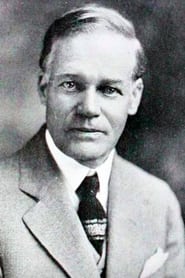
About Dan Crimmins
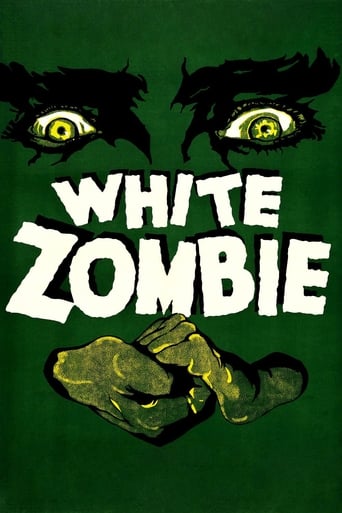
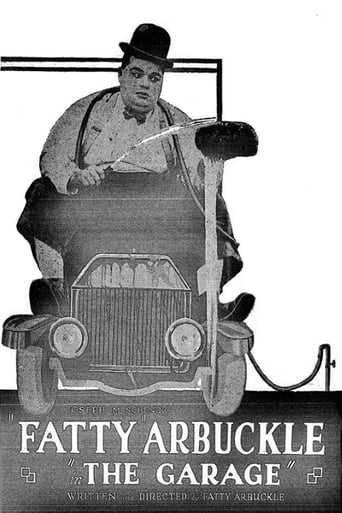
Character actor who worked prolifically during the silent era and early sound period of Hollywood cinema. Beginning his film career in 1920 with Buster Keaton's comedy short 'The Garage,' Crimmins established himself as a reliable supporting player capable of portraying various character types. Throughout the 1920s, he appeared in numerous silent films, often playing authority figures, villains, or comic relief roles. His transition to sound films was brief but included notable appearances in early horror and adventure pictures. Crimmins' final known film role was in the horror film 'White Zombie' (1932) starring Bela Lugosi, where he played a supporting character in this influential early zombie film. His the crucial transitional period from silent films to talkies, though like many character actors of his era, he gradually faded from the screen as the 1930s progressed.
The Craft
On Screen
Versatile character with credits in this catalog. His performances in silent films demonstrated strong physical comedy skills and expressive facial techniques necessary for non-verbal storytelling. In his sound film appearances, he maintained a commanding presence with his distinctive voice and authoritative demeanor. Crimmins specialized in playing authority figures, villains, and supporting characters that required little dialogue but maximum screen presence.
Milestones
- Appeared in Buster Keaton's 'The Garage' (1920)
- Supporting role in Bela Lugosi's 'White Zombie' (1932)
- Prolific character actor in silent films
- Successfully transitioned from silent to sound films
- Worked during Hollywood's transitional era (1920s-1930s)
Best Known For
Iconic Roles
Must-See Films
Working Relationships
Worked Often With
Studios
Why They Matter
Impact on Culture
Dan Crimmins represents the essential backbone of early Hollywood cinema - the reliable character actors who populated the backgrounds of countless films and gave authenticity to the worlds created on screen. His work in both the silent and early sound eras demonstrates the adaptability required of actors during this revolutionary period in film history. Though not a household name, his contributions to films like 'The Garage' and 'White Zombie' helped establish these classics in their respective genres. Crimmins' career exemplifies the journey of many working actors of his time who successfully navigated the technical and artistic challenges of transitioning from silent to sound cinema.
Lasting Legacy
Dan Crimmins' legacy lies in his body of work that spans. As a character actor who appeared in both silent masterpieces and early sound films, he represents the bridge between two distinct eras of filmmaking. His appearances in historically significant films like 'White Zombie' ensure that his work continues to be seen by new generations of classic film enthusiasts. While he may not have achieved star status, Crimmins' contributions to early cinema exemplify the crucial role that supporting actors played in building the foundation of Hollywood's Golden Age.
Who They Inspired
As a working character actor rather than a star, Dan Crimmins' influence was primarily through his consistent professional example rather than through mentoring or direct influence on other performers. His ability to work across genres and adapt to the transition from silent to sound films demonstrated the versatility required for longevity in early Hollywood. His performances in ensemble casts helped establish the importance of strong supporting characters in film storytelling, a principle that continues to influence casting and filmmaking today.
Off Screen
Very little is documented about Dan Crimmins' personal life, which was common for character actors of his era who were not major stars. Like many supporting players in early Hollywood, he lived a relatively private life away from the spotlight, focusing on his craft rather than cultivating public fame.
Did You Know?
- Appeared in over 50 films during his 12-year career
- Worked with comedy legend Buster Keaton in one of his earliest films
- Participated in the groundbreaking horror film 'White Zombie', one of the first zombie movies ever made
- Successfully made the transition from silent films to talkies
- Often without on-screen billing in his film roles, which was common for character actors of the era
- His career coincided with the major technical revolution in cinema from silent to sound
- Worked during the establishment of Hollywood's studio system
- Appeared in both comedy and horror genres, showcasing his versatility
- His final known film appearance was in 1932, suggesting he may have left the film industry during the Great Depression
Frequently Asked Questions
Who was Dan Crimmins?
American character with credits in this catalog. He was a prolific supporting player known for his versatility across genres including comedy and horror.
What films is Dan Crimmins best known for?
Titles linked here include The Garage (1920), White Zombie (1932).
When was Dan Crimmins born and when did he die?
Unfortunately, specific birth and death dates for Dan Crimmins are not well-documented, which is common for character actors of his era. His known film active years covered from 1920 to 1932.
What awards did Dan Crimmins win?
There are no recorded awards or nominations for Dan Crimmins, which was typical for supporting character actors of the silent and early sound era who often worked without formal recognition.
What was Dan Crimmins' acting style?
Versatile character with credits in this catalog. He specialized in playing authority figures and supporting characters, adapting well to the transition from silent to sound cinema.
Did Dan Crimmins work with any famous directors or actors?
Yes, Dan Crimmins worked with several notable figures including Buster Keaton in 'The Garage' and Bela Lugosi in 'White Zombie'. He also appeared in films directed by John Ford and Cecil B. DeMille.
Why did Dan Crimmins' career end in 1932?
While the exact reason is unknown, many character actors' careers ended around this time due to the Great Depression's impact on Hollywood and the industry's increasing focus on star-driven vehicles rather than ensemble casts.