
White Zombie
"The dead walk in Haiti"
Keys: Space play/pause · ←/→ 10s · F fullscreen · M mute · </> speed
About this film
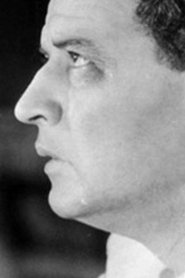
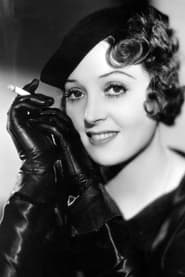
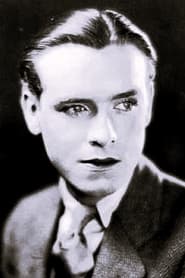
Plantation owner Beaumont hires voodoo master Murder Legendre to lure Madeleine away from her fiancé Neil, only for Legendre to zombify her for himself. Neil must invade Legendre's cliff fortress to reclaim her from a trance that mimics death.
Cast & crew
More Horror films
View all →

More about this film
About the production
Release dateAugust 4, 1932
BudgetApproximately $50,000
Box officeThe film was a commercial success, earning approximately $250,000, making it among the leading profitable independent films of 1932
ProductionEdward Halperin Productions, United Artists
Filmed inUniversal Studios lot, California, Various soundstages in Los Angeles
The film was shot in just 11 days on a very tight budget. Despite the Caribbean setting, no scenes were filmed on location - everything was shot on California soundstages. The zombie makeup was minimal but effective, using heavy greasepaint and dark circles around the eyes to create the undead appearance. The film's success surprised everyone, especially considering its independent production status and the limited resources available.
Themes
Voodoo and supernatural controlObsession and unrequited loveThe loss of free willColonialism and cultural appropriationLife versus death
Themes & topics
zombievoodooHaitisupernaturalobsessionhorrorcult classicindependent filmBela Lugosiundead
Historical background
White Zombie (1932) rode the pre-Code horror wave and American fascination with Caribbean folklore during the Great Depression.
Why this film matters
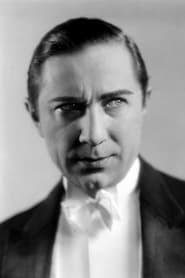
Bela Lugosi's Legendre and the independent Victor Halperin production created zombie iconography predating later contagion models.
Making of
The production of 'White Zombie' was remarkably efficient, completed in just 11 days with a minimal budget. Director Victor Halperin and his brother Edward, who produced the film, had to be extremely creative with their limited resources. The film's atmosphere was enhanced through clever use of shadows and lighting, techniques that became hallmarks of early horror cinema. Bela Lugosi, despite his star status from 'Dracula,' was enthusiastic about the role and contributed significantly to his character's development. The zombie actors were instructed to move with a slow, mechanical quality, and many reported feeling genuinely disturbed by the experience. The film's success was unexpected, as horror films were still relatively new in the sound era, and the concept of zombies was largely unfamiliar to American audiences. The Halperin brothers' gamble paid off, establishing them as important figures in early horror cinema.
What critics said
Variety noted modest chills; later cult status grew through public-domain circulation and its place in horror genealogy.
Did you know?
- This is considered the first feature-length zombie film in cinema history
- Bela Lugosi was paid just $800 for his role as Murder Legendre, despite his recent fame from Dracula
- The film was so successful that it spawned a quasi-sequel 'Revolt of the Zombies' in 1936, though Lugosi did not appear in it
- The zombie makeup was so simple and effective that it influenced zombie portrayals for decades
- The sugar mill scenes were filmed using a real mill, with the zombie workers played by local extras who were told to move slowly and expressionlessly
- Madge Bellamy reportedly fainted during the filming of one scene where she had to lie perfectly still for an extended period
- The film's success led to a brief zombie craze in the 1930s, though most subsequent films were forgettable
- The original script was much longer and more complex, but was heavily cut to fit the tight production schedule
- Victor Halperin, the director, was so confident in the film that he mortgaged his house to help finance it
- The film was banned in several countries for its 'supernatural horror' content
Awards & recognition
- No major awards were given to the film, as it was released before most formal horror film awards existed
Visual style
The cinematography by Arthur Martinelli was innovative for its time, utilizing dramatic lighting and shadow play to create an eerie atmosphere. The film made excellent use of low-key lighting techniques, with deep shadows that enhanced the supernatural elements. The camera work was relatively static, as was common in early sound films due to cumbersome recording equipment, but Martinelli used creative angles and compositions to maximize tension. The sugar mill sequences were particularly effective, with stark lighting creating a nightmarish industrial hellscape. The film's visual style influenced many subsequent horror films, demonstrating how lighting and composition could create horror without explicit violence.
Innovations
For its budget and era, 'White Zombie' achieved remarkable technical innovations. The film was one of the first to successfully create a supernatural atmosphere using primarily lighting and sound rather than elaborate special effects. The zombie makeup effects, while simple, were highly effective and influential. The film demonstrated how to create horror through suggestion rather than explicit visuals, a technique that would become fundamental to the horror genre. The sound recording, while basic, used creative echo and reverb effects to enhance the supernatural elements. The film's success proved that horror could be achieved economically, influencing the production approach of countless future horror films.
Music
The musical score was composed by Xavier Cugat, though much of the film used library music due to budget constraints. The sound design was primitive but effective, with creaking doors, distant drums, and other atmospheric sounds enhancing the supernatural mood. The film made innovative use of sound for its time, including echo effects for Legendre's voice to emphasize his otherworldly nature. The Haitian-inspired music, while stereotypical by modern standards, helped establish the exotic setting. The limited sound technology of the era actually worked to the film's advantage, creating an eerie quality through slightly muffled dialogue and atmospheric sound effects.
Famous quotes
Murder Legendre: 'You cannot escape from me. The dead are not dumb. They are watching us even now.'
Murder Legendre: 'In Haiti, there is no death. Only the dead who have not yet been buried.'
Charles Beaumont: 'I would rather see her dead than in another man's arms!'
Murder Legendre: 'Zombies are not dead. They are the living dead. They are not demons. They are human beings who have been turned into machines.'
Memorable scenes
- The opening sequence showing the zombie workers moving mechanically through the sugar mill, establishing the film's eerie atmosphere
- Madeleine's transformation into a zombie, with her vacant stare and slow, deliberate movements
- The climactic confrontation at Legendre's fortress, where Neil battles through hordes of zombies to rescue Madeleine
- The scene where Legendre demonstrates his power over the zombies, making them move at his command
- The final scene where Madeleine is restored to life and reunited with Neil
What audiences thought
Audiences in 1932 were both terrified and fascinated by 'White Zombie,' making it a surprise box office hit. The film's supernatural themes and Lugosi's magnetic performance drew crowds despite the film's independent status and limited marketing budget. Many viewers reported being genuinely frightened by the zombie scenes, which were unlike anything they had seen before. The film developed a cult following that has persisted for decades, with horror enthusiasts and classic film fans continuing to appreciate its unique atmosphere and historical significance. Modern audiences often view it through the lens of its historical importance, though many still find its atmospheric qualities effective.
Film connections
Influenced by
- Haitian folklore and voodoo traditions
- Gothic horror literature
- Earlier Universal horror films like 'Dracula' and 'Frankenstein'
- William Seabrook's book 'The Magic Island' which introduced zombies to American readers
This film influenced
- 'I Walked with a Zombie' (1943)
- 'Plan 9 from Outer Space' (1959)
- 'Night of the Living Dead' (1968)
- The entire zombie film genre
- Modern voodoo-themed horror films
Film restoration
The film has been preserved and restored by various film archives. While some prints show signs of age and deterioration, the film exists in its complete form and has been released on DVD and Blu-ray by several distributors. The Library of Congress maintains a preservation copy, and the film is considered culturally significant enough to warrant ongoing preservation efforts.
Where to watch
- Available on DVD and Blu-ray from various distributors
- Streaming on Amazon Prime Video
- Available on YouTube (public domain versions)
- Available on classic film streaming services like The Criterion Channel
- Available for digital purchase on iTunes and Google Play