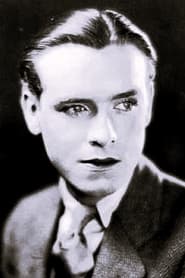
John Harron
Actor
Born: March 31, 1897 in New York City, New York, USA Died: October 24, 1939 Active: 1916-1937
Films
5 films
About John Harron
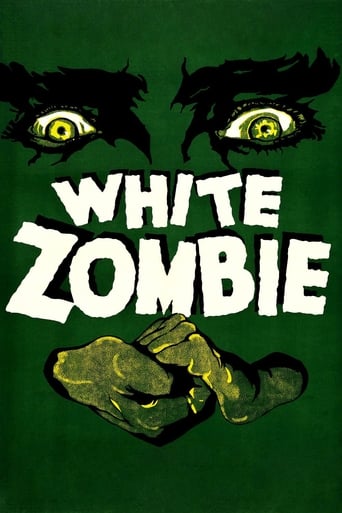
American actor who flourished during the transition from silent films to early talkies, building a substantial career spanning over two decades in Hollywood. Born into a family of performers, he followed his older brother Robert Harron into the film industry, making his debut in 1916. Throughout the 1920s, Harron established himself as a reliable supporting actor, appearing in numerous productions for major studios including Universal Pictures and Paramount. He successfully navigated the challenging transition to sound films, continuing to work steadily through the early 1930s in both leading and character roles. His most memorable performance came in the 1932 horror classic 'White Zombie,' starring alongside Bela Lugosi in what is considered one of the first zombie films ever made. Despite never achieving the stardom of his brother Robert, Harron maintained a consistent presence in Hollywood films until his career began to wane in the mid-1930s. His life was cut short when he died at the relatively young age of 42 in 1939, leaving behind a legacy of nearly 70 film appearances that document the evolution of American cinema from the silent era through the early sound period.
The Craft
On Screen
John Harron was known for his naturalistic acting style that adapted well to the transition from silent films to talkies. In silent films, he employed expressive physical acting and facial expressions typical of the era, but with a subtlety that set him apart from more melodramatic performers. His transition to sound was seamless, with a clear speaking voice and a conversational delivery style that made him believable in contemporary roles. Harron excelled at playing earnest, sincere characters, often as the reliable friend or romantic interest, bringing a grounded realism to his performances that resonated with audiences.
Milestones
- Successfully transitioned from silent films to talkies
- Appeared in the landmark horror film 'White Zombie' (1932)
- Worked consistently for over 20 years in Hollywood
- Appeared in nearly 70 films throughout his career
- Collaborated with major studios including Universal and Paramount
- Part of the prominent Harron acting family
Best Known For
Iconic Roles
Must-See Films
Working Relationships
Worked Often With
Studios
Why They Matter
Impact on Culture
John Harron's career represents the journey of countless working actors who formed the backbone of Hollywood's studio system during the golden age of cinema. His successful transition from silent films to talkies exemplifies the adaptability required of actors during this pivotal period in film history. His role in 'White Zombie' contributed to the foundation of the horror genre, particularly zombie cinema, which would become enormously popular decades later. Harron's filmography serves as a valuable document of the evolution of American cinema, showcasing the changing styles, technologies, and storytelling techniques of the 1910s through the 1930s.
Lasting Legacy
John Harron's legacy lies in his substantial body of work that spans. While never achieving superstar status, his consistent presence in films for over two decades demonstrates the importance of character actors in creating the classic Hollywood cinema. His performance in 'White Zombie' ensures his place in horror film history as part of one of the genre's foundational works. The Harron family's contributions to early cinema, with John as part of this legacy, represent the family dynasties that helped build Hollywood from its earliest days.
Who They Inspired
As a working actor rather than a star, John Harron's influence was more subtle but significant in demonstrating the craft of reliable, professional acting across different eras of filmmaking. His ability to adapt his performance style from silent films to talkies provided a model for other actors facing similar challenges. His work in early horror films, particularly 'White Zombie,' contributed to establishing acting conventions for the genre that would influence subsequent generations of horror performers. Harron's career exemplified the path of the professional character actor, showing how consistent, dependable work could build a lasting career even without the glamour of stardom.
Off Screen
John Harron came from a family deeply involved in the entertainment industry, with both of his siblings also pursuing careers in acting. He married actress Betty Blythe in 1924, though their marriage ended in divorce in 1932. The Harron family experienced tragedy when John's older brother Robert, a major silent film star, died under mysterious circumstances in 1920 at the age of 27. John remained close to his sister Mary Harron, who also worked as an actress. Despite his steady career in films, Harron never achieved the level of fame his brother had enjoyed, though he maintained a respectable position in Hollywood as a reliable character actor.
Family
- Betty Blythe (1924-1932)
Did You Know?
- Was the younger brother of silent film star Robert Harron
- His sister Mary Harron was also an actress
- Appeared in one of the first zombie films ever made, 'White Zombie' (1932)
- Worked with horror icon Bela Lugosi in 'White Zombie'
- His brother Robert's death in 1920 was ruled accidental but remains controversial
- Successfully made the transition from silent films to sound pictures
- Married prominent silent film actress Betty Blythe
- Never achieved the stardom of his older brother but maintained a steady career
- Died relatively young at age 42
- Appeared in films for nearly all major Hollywood studios of his era
Frequently Asked Questions
Who was John Harron?
American with credits in this catalog. He was the younger brother of silent film star Robert Harron and is best remembered for his role in the 1932 horror classic 'White Zombie' alongside Bela Lugosi.
What films is John Harron best known for?
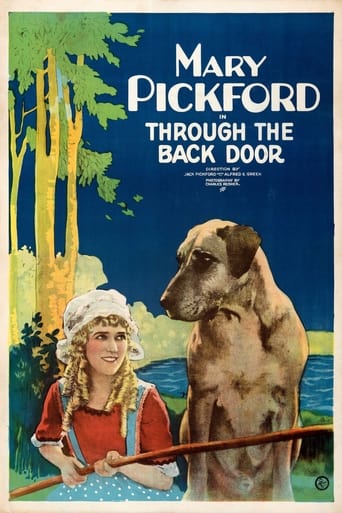
Titles linked here include White Zombie (1932), Through The Back Door (1921).
When was John Harron born and when did he die?
Born March 31, 1897; died October 24, 1939.
What was John Harron's relationship to other famous actors?
John Harron came from a family of actors. His older brother Robert Harron — major silent film star who worked closely with director D.W. Griffith before his tragic death in 1920. His sister Mary Harron was also an actress. John married actress Betty Blythe in 1924, though they divorced in 1932.
How did John Harron transition from silent films to talkies?
John Harron successfully navigated the transition from silent films to sound pictures in the late 1920s. His naturalistic acting style and clear speaking voice allowed him to continue working steadily in talkies, unlike many silent era actors who struggled with the new medium. He appeared in both silent and sound versions of some films during this transitional period.
What was John Harron's acting style like?
John Harron was known for his naturalistic and understated acting style, which made him particularly effective in the transition to sound films. In silent pictures, he used expressive but subtle physical acting rather than the exaggerated gestures common in the era. His talkie performances featured a conversational delivery that brought realism to his roles as earnest, sincere characters.