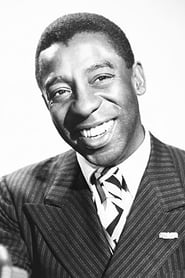
Clarence Muse
Actor
Born: October 14, 1889 in Baltimore, Maryland, USA Died: October 13, 1979 Active: 1921-1979
Films
4 films
About Clarence Muse
African American actor, singer, composer, and playwright who broke racial barriers in Hollywood during a time of extreme discrimination. Born in Baltimore in 1889, he studied law at Dickinson College but turned to entertainment, performing in minstrel shows and vaudeville before transitioning to film. Muse made his film debut in the 1920s and became one of the first African American actors to secure substantial, non-stereotypical roles in mainstream cinema. Throughout his career spanning over five decades, he appeared in more than 150 films and television shows, often fighting against typecasting and advocating for better representation of African Americans in media. Beyond acting, he was a talented composer who wrote songs for Broadway productions and films, including the classic 'Hurry On Down.' Muse co-founded the Negro Actors Guild of America in 1937 to fight for better working conditions and opportunities for black performers. His career continued well into the 1970s, making him enduring and respected figures in African American cinema history.
The Craft
On Screen
Muse was known for his dignified, naturalistic acting style that brought depth and humanity to roles that could easily have become caricatures. He possessed a commanding screen presence and a rich, resonant voice that served him well in both silent and talking pictures. Unlike many of his contemporaries who were forced into demeaning stereotypes, Muse fought for roles that displayed the intelligence and complexity of African American characters. His performances were marked by subtlety and emotional authenticity, often providing moments of quiet dignity in films that otherwise portrayed black characters in limited ways.
Milestones
- Appeared in one of the first all-black talking films 'Hearts in Dixie' (1929)
- Co-founded the Negro Actors Guild of America in 1937
- Wrote and performed in the Broadway musical 'Runnin' Wild' (1923)
- Became the first African American to star in a film at a major studio ('The Broken Earth', 1936)
- Received a star on the Hollywood Walk of Fame in 1960
- Appeared in over 150 films and television shows throughout his career
Best Known For
Iconic Roles
Must-See Films
Accolades
Won
- Hollywood Walk of Fame Star (1960)
- NAACP Image Award for Outstanding Actor in a Motion Picture (1973)
- Black Filmmakers Hall of Fame Inductee (1975)
Nominated
- Golden Globe nomination for Best Supporting Actor for 'The Great White Hope' (1971)
Special Recognition
- Star on Hollywood Walk of Fame (1970)
- Inducted into Black Filmmakers Hall of Fame (1975)
- Honored by the Negro Actors Guild for lifetime achievement
- Dickinson College Alumni Award (1972)
Working Relationships
Worked Often With
Studios
Why They Matter
Impact on Culture
Trailblazer who significantly impacted American cinema by challenging racial stereotypes and paving the way for future generations of African American with credits in this catalog. During an era when black performers were largely confined to demeaning roles, Muse consistently fought for dignity and authenticity in his performances. His work in films like 'Hearts in Dixie' and 'The Broken Earth' helped establish that African American actors could carry leading roles and attract audiences. Beyond his screen work, Muse's activism through the Negro Actors Guild of America created lasting institutional change in the entertainment industry. His refusal to accept stereotypical roles, even when it meant unemployment, set a precedent for artistic integrity that influenced countless performers who followed.
Lasting Legacy
Clarence Muse's legacy extends far beyond his filmography; he is remembered as a pioneer who helped transform Hollywood's portrayal of African Americans. His nearly 60-year active years covered from the silent era through the blaxploitation period, making him a living bridge between different eras of black cinema. Muse's contributions as a composer and playwright added another dimension to his artistic legacy, with songs like 'Hurry On Down' becoming jazz standards. His tireless advocacy for better roles and working conditions for black performers helped lay the groundwork for the civil rights movement within the entertainment industry. Today, he is celebrated not only for his artistic achievements but for his courage and integrity in the face of systemic racism.
Who They Inspired
Muse influenced generations of African American performers by demonstrating that it was possible to maintain dignity while working within the constraints of Hollywood's racial limitations. His approach to role selection and his willingness to walk away from projects he found demeaning inspired actors like Sidney Poitier and Harry Belafonte to be more selective in their career choices. His work with independent black filmmakers, particularly Oscar Micheaux, showed the importance of creating alternative spaces for black storytelling. Muse's success in multiple entertainment fields - acting, writing, composing - served as a model for later multi-talented performers like Will Smith and Jamie Foxx.
Off Screen
Clarence Muse was married twice and had one child. He was known for his activism within the African American community and his efforts to improve conditions for black performers in Hollywood. He was a member of the NAACP and actively participated in civil rights activities throughout his life. Muse was also deeply involved in church activities and was known for his strong faith and moral convictions.
Education
Attended Dickinson College where he studied law before leaving to pursue a career in entertainment. Also studied at the Philadelphia Conservatory of Music and took drama classes in New York City.
Family
- Myrtle Hagener (1914-1929)
- Idalyn Hill (1930-1979, his death)
Did You Know?
- Was one of the first African American actors to receive a star on the Hollywood Walk of Fame
- Studied law at Dickinson College but left before graduating to pursue entertainment
- Wrote the hit song 'Hurry On Down' which became a jazz standard
- Appeared in the first all-black talking picture 'Hearts in Dixie' (1929)
- Was a member of the Phi Beta Sigma fraternity
- Served in the US Army during World War I
- Spoke fluent French and performed in Paris theaters in the 1920s
- Was a licensed pilot and owned his own airplane
- His final film appearance was in 'Car Wash' (1976) at age 86
- Died just one day before his 90th birthday in 1979
In Their Own Words
I'd rather be unemployed than play a role that demeans my race or myself.
We must create our own opportunities when none are given to us.
Acting is not just entertainment; it's education. Every role teaches someone something about who we are.
The camera doesn't lie, but sometimes the story does. My job is to bring truth to every frame.
Success in Hollywood for a black man isn't just about talent; it's about endurance.
Frequently Asked Questions
Who was Clarence Muse?
African American with credits in this catalog. He was one of the first black actors to achieve significant success in mainstream cinema and fought against racial stereotypes throughout his career.
What films is Clarence Muse best known for?
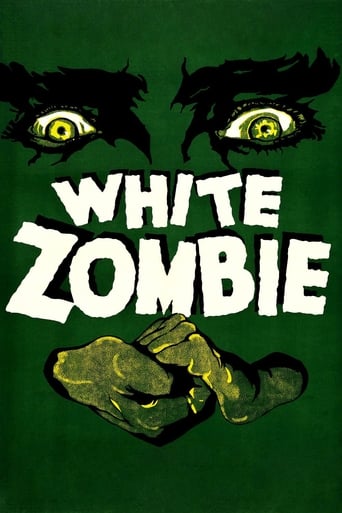
Titles linked here include White Zombie (1932), Hearts in Dixie (1929).
When was Clarence Muse born and when did he die?
Born October 14, 1889; died October 13, 1979.
What awards did Clarence Muse win?
Muse received a star on the Hollywood Walk of Fame in 1960, was inducted into the Black Filmmakers Hall of Fame in 1975, and won an NAACP Image Award in 1973. He also received a Golden Globe nomination for 'The Great White Hope' in 1971.
What was Clarence Muse's acting style?
Muse was known for his dignified, naturalistic acting style that brought depth and humanity to his roles. He fought against stereotypical portrayals and brought authenticity and emotional subtlety to his characters, often providing moments of quiet dignity in otherwise limiting roles.
How did Clarence Muse impact African American cinema?
Muse co-founded the Negro Actors Guild of America, fought for better roles and working conditions for black performers, and helped break racial barriers in Hollywood. His nearly 60-year career paved the way for future generations of African American actors.
Was Clarence Muse only an actor?
No, Muse — multi-talented artist who was also a composer, songwriter, playwright, and singer. He wrote hit songs including 'Hurry On Down' and composed music for both Broadway and films.