
New York Nights
"Jill is being pursued by a gangster."
Keys: Space play/pause · ←/→ 10s · F fullscreen · M mute · </> speed
About this film
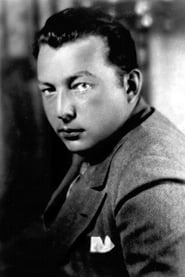
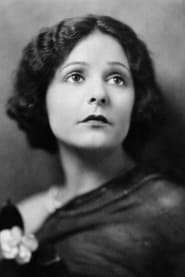
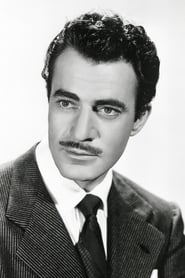
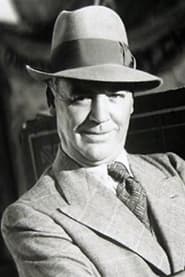
Show girl Jill Deverne is married to song writer Fred Deverne, and everyone is involved in the Broadway night life and endless parties. Jill is being pursued by a gangster, and she leaves her husband after he spends the night with a floozie. Jill ends up as the gangster's moll, but she soon gets tired of the lifestyle.
Cast & crew
More films like this
More Crime films
View all →


More from Lewis Milestone
View all →
More about this film
About the production
Release dateMarch 31, 1929
ProductionNorma Talmadge Productions, United Artists
Filmed inHollywood, California, New York City, New York (stock footage)
This was one of Norma Talmadge's first sound films and proved to be a challenging transition for the silent star. The film was produced during the difficult period when Hollywood was converting to sound technology, and many actors struggled with the new medium. Talmadge's thick Brooklyn accent was considered problematic for talking pictures, which may have contributed to her declining career after .
Themes
Themes & topics
showgirljilldevernemarriedsongwriterfred
Historical background
Production circa 1929 meant fixed cameras, intertitles or early sound rigs, and studio economies that shaped every scene in New York Nights.
Why this film matters
Archivists revisit New York Nights (1929) for performance styles and craft choices later mainstream releases refined.
Making of
Production details for New York Nights are sparse in surviving records. Direction is attributed to Lewis Milestone.
What critics said
Specialist critics today emphasize preservation when a viewable copy of New York Nights survives.
Did you know?
- Directed by Lewis Milestone.
- Production country: United States.
- Release year commonly listed as 1929.
- TMDB identifier: 190269.
Visual style
The cinematography by Ray June reflected the transitional nature of early sound films. The camera work was more static than typical silent films due to the limitations of early sound recording equipment, which required cameras to be housed in soundproof booths. The lighting techniques still showed the influence of German Expressionism with dramatic shadows and high-contrast lighting, particularly in the gangster sequences. The Broadway scenes featured more elaborate lighting setups to create the illusion of theatrical spectacle. The film made effective use of close-ups, which had become standard in late silent cinema, to capture the emotional nuances required by sound performance.
Innovations
As an early sound film, 'New York Nights' demonstrated several technical innovations of the period. The production used the Movietone sound-on-film system, which was becoming standard in the industry. The film featured both dialogue sequences and synchronized musical numbers, showcasing the versatility of the new technology. The sound recording equipment of the time required innovative solutions for capturing dialogue in different environments, from intimate scenes to large musical numbers. The technical crew had to deal with the challenge of microphone placement and soundproofing, which often limited camera movement. Despite these constraints, the film managed to create a relatively fluid narrative that integrated sound elements naturally.
Music
The film featured a synchronized musical score with some early examples of original songs composed for the production. The Broadway sequences included several musical numbers that showcased the new possibilities of sound cinema. The score was typical of late 1920s film music, incorporating popular jazz and dance styles that reflected the contemporary New York nightlife setting. While the specific composers are not well-documented, the music followed the emerging conventions of early sound film scoring, using leitmotifs for different characters and emotional situations. The soundtrack also included diegetic music from the nightclub scenes, adding authenticity to the portrayal of Broadway entertainment.
Famous quotes
In this town, you either shine or you burn out. There's no in-between.
Broadway never sleeps, and neither do the people who live off it.
I didn't choose this life, but it chose me. Now I have to live with it.
Memorable scenes
- The opening Broadway sequence featuring elaborate musical numbers and showcasing the spectacle of 1920s theater
- The tense confrontation scene between Jill and her husband Fred after his infidelity
- The glamorous but dangerous nightclub scene where Jill first meets the gangster Steve
- The emotional climax where Jill realizes the emptiness of her life as a gangster's moll
What audiences thought
Patrons who saw New York Nights during initial runs judged it alongside other drama film releases of the day.
Film connections
Influenced by
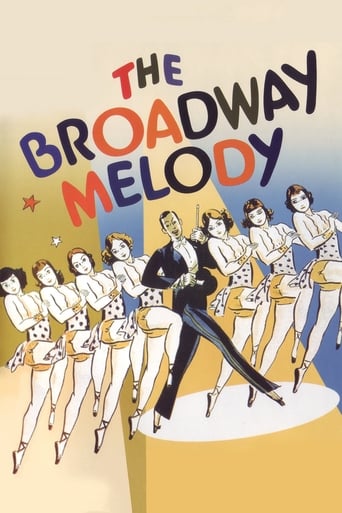
- Broadway Melody (1929)
- The Jazz Singer (1927)
- Lights of New York (1928)
- Chicago (1927)
This film influenced
- Baby Face (1933)
- I Am a Fugitive from a Chain Gang (1932)
- 42nd Street (1933)
Film restoration
The film is believed to be partially preserved with some sequences surviving in various archives, but it is considered incomplete. Like many early sound films, the original nitrate negatives have likely deteriorated or been lost. Some fragments may exist in the UCLA Film and Television Archive and other film preservation institutions. The film's status as a transitional sound work makes it of interest to film historians and preservationists, though complete restoration efforts have been limited.
Where to watch
- The film is not currently available on major streaming platforms
- Screenings occasionally occur at film archives and classic film festivals
- Some fragments may be accessible through specialized film archives and academic institutions
- Bootleg copies of varying quality circulate among classic film collectors