Al Jolson
Actor
Born: May 26, 1886 in Seredžius, Russian Empire (now Lithuania) Died: October 23, 1950 Active: 1904-1950 Birth Name: Asa Yoelson
Films
7 films

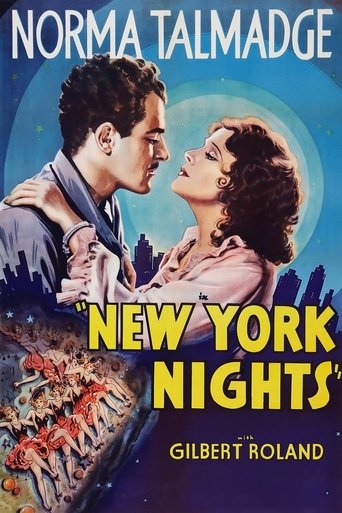
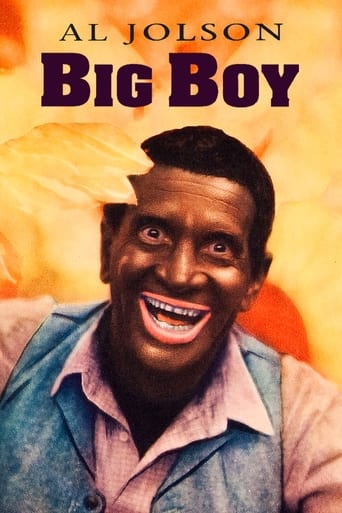
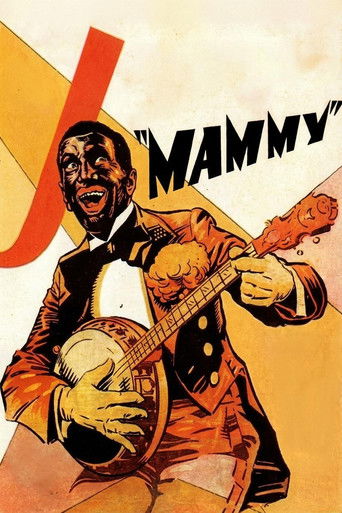
About Al Jolson
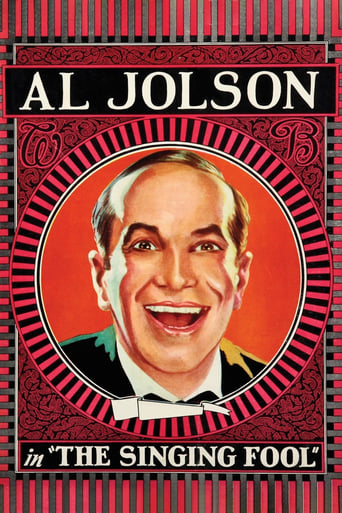
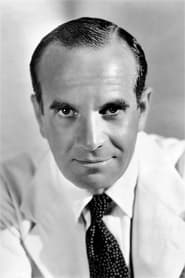
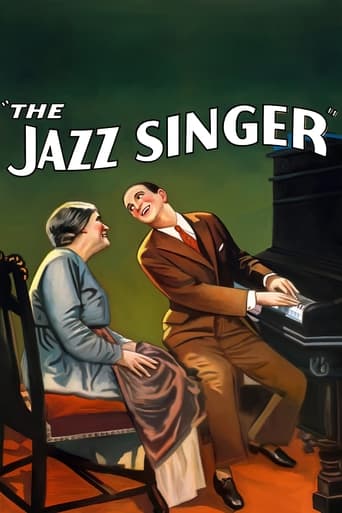
Al Jolson, born Asa Yoelson, was an American singer, comedian, and actor who became entertainers of the early 20th century. Rising from humble beginnings as the son of a Jewish cantor, Jolson began his career in vaudeville before transitioning to Broadway, where he became a superstar with his electrifying performances in shows like 'Sinbad' (1918) and 'Bombo' (1921). His breakthrough in cinema came with 'The Jazz Singer' (1927), the first feature-length film with synchronized dialogue sequences, which revolutionized the film industry and effectively ended the silent era. Throughout the late 1920s and early 1930s, Jolson dominated Hollywood with a string of successful musical films, including 'The Singing Fool' (1928) and 'Say It with Songs' (1929), establishing himself as one of the highest-paid actors of his time. Despite declining popularity in the 1940s, he made a triumphant comeback with the Oscar-winning film 'The Jolson Story' (1946), where Larry Parks portrayed him while Jolson provided the singing voice. His five decades, from vaudeville to radio, film, and television, making him one of the first true multimedia superstars. Jolson's legacy as 'The World's Greatest Entertainer' endures through his contributions to sound cinema and his distinctive, emotionally charged performance style.
The Craft
On Screen
Jolson's acting style was characterized by theatrical exaggeration, emotional intensity, and direct address to the audience, breaking the fourth wall with his signature 'You ain't heard nothin' yet!' catchphrase. His performances blended vaudevillian showmanship with raw emotional delivery, often featuring dramatic hand gestures, knee slides, and passionate facial expressions. He pioneered a more naturalistic approach to film acting compared to silent era norms, bringing his stage charisma and musical talents to the screen. His style was heavily influenced by his cantor father's religious singing and the minstrel show tradition, creating a unique fusion that appealed to early 20th-century audiences.
Milestones
- Starred in 'The Jazz Singer' (1927), first feature film with synchronized dialogue
- Broadway sensation with 'Sinbad' (1918) featuring 'Rock-a-Bye Your Baby With a Dixie Melody'
- Highest-paid entertainer of the 1920s, earning up to $10,000 per week
- Comeback success with 'The Jolson Story' (1946) and 'Jolson Sings Again' (1949)
- First entertainer to sell one million records
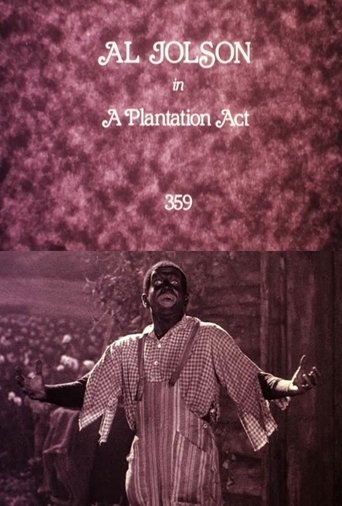
- Pioneered use of blackface in popular entertainment (controversial legacy)
- Entertained US troops during World War II and Korean War
- Inducted into the Songwriters Hall of Fame (1970)
Best Known For
Iconic Roles
Must-See Films
Accolades
Won
- Academy Award nomination for Best Actor for 'The Jazz Singer' (1927, ineligible for competitive award)
- Special Academy Award for 'The Jolson Story' (1946, shared with Larry Parks)
- Golden Globe nomination for Best Actor for 'Jolson Sings Again' (1949)
- Best Selling Record Artist (multiple years, 1920s-1930s)
Nominated
- Academy Award consideration for 'The Jazz Singer' (1927)
- Golden Globe nomination for Best Actor for 'Jolson Sings Again' (1949)
Special Recognition
- Hollywood Walk of Fame star (6301 Hollywood Blvd)
- Songwriters Hall of Fame inductee (1970, posthumous)
- Grammy Hall of Fame inductee for 'Swanee' and 'Sonny Boy'
- United States Postal Service commemorative stamp (1994)
- Long Island Music Hall of Fame inductee (2008)
- Jewish-American Hall of Fame inductee
Working Relationships
Worked Often With
Studios
Why They Matter
Impact on Culture
Al Jolson's cultural impact extends far beyond his film career, as he fundamentally transformed American entertainment and popular culture. His starring role in 'The Jazz Singer' effectively ended the silent film era and ushered in the age of 'talkies,' revolutionizing the film industry and changing how stories were told on screen. Jolson pioneered the concept of the multimedia entertainer, achieving unprecedented success across vaudeville, Broadway, recordings, film, radio, and television. His emotional, theatrical performance style influenced generations of singers and performers, from Bing Crosby to Elvis Presley. Despite the controversial use of blackface in his performances, Jolson — important figure in breaking down barriers for Jewish performers in American entertainment. His recordings, particularly 'Swanee,' 'Sonny Boy,' and 'My Mammy,' became cultural touchstones that defined an era of American popular music.
Lasting Legacy
Al Jolson's legacy as 'The World's Greatest Entertainer' endures through his contributions to sound cinema and his lasting influence on popular performance. His role in 'The Jazz Singer' secured his place in film history as the man who brought sound to Hollywood, fundamentally changing the medium forever. The biographical films 'The Jolson Story' (1946) and 'Jolson Sings Again' (1949) introduced his talents to new generations and demonstrated his enduring appeal. His recordings continue to be celebrated as classics of early 20th-century American music, with many inducted into the Grammy Hall of Fame. While his use of blackface remains controversial and problematic by modern standards, historians recognize Jolson as a complex figure who both reflected and challenged the racial attitudes of his time. His story represents the quintessential American dream narrative of an immigrant who rose from poverty to become.
Who They Inspired
Jolson's influence on subsequent performers is immeasurable, with his emotional singing style and theatrical approach shaping the development of popular music and film performance. His direct address to audiences and breaking of the fourth wall in 'The Jazz Singer' created a template for film performance that would be emulated for decades. Singers like Bing Crosby, Frank Sinatra, and Elvis Presley all cited Jolson as an influence, particularly his ability to convey deep emotion through song. His success helped pave the way for other Jewish performers in Hollywood and demonstrated that ethnic entertainers could achieve mainstream success. The concept of the entertainer as a complete package - singer, actor, dancer, and personality - can be traced back to Jolson's multifaceted career. His recordings of songs like 'Swanee' and 'My Mammy' became standards that have been covered by countless artists across multiple generations.
Off Screen
Al Jolson's personal life was marked by multiple marriages, professional rivalries, and a complex relationship with his Jewish heritage. He married four times, with his relationships often making headlines and affecting his career. Despite his enormous success, Jolson struggled with loneliness and maintained a reputation for being difficult to work with, though he was also known for his generosity to friends and charitable causes. His relationship with his father was strained due to his choice of entertainment over religious pursuits, though he later reconciled this tension. Jolson — staunch patriot who entertained troops in three wars and was known for his support of Jewish causes despite performing in blackface throughout much of his career.
Education
Limited formal education; attended public schools in Washington D.C. After immigrating to America, left school early to pursue entertainment career
Family
- Henrietta Keller (1907-1919)
- Ethel Delmar (1922-1928)
- Ruby Keeler (1928-1940)
- Erle Galbraith (1945-1950, until his death)
Did You Know?
- Was the first entertainer to sell over one million records
- His catchphrase 'You ain't heard nothin' yet!' from 'The Jazz Singer' became one of cinema's most famous lines
- Despite performing in blackface, he was a vocal supporter of civil rights and helped break Broadway's color barrier
- Entertained troops in World War I, World War II, and the Korean War
- His 1921 song 'California, Here I Come' became the official state song of California
- Was the highest-paid entertainer in the world during the late 1920s
- His performance style influenced the development of microphone technique in singing
- Was a founding member of the American Federation of Radio Artists
- His funeral was one of the largest in Hollywood history, with thousands lining the streets
- The Jolson Story was the highest-grossing film of 1946 despite being a biographical film about a 'has-been' entertainer
- His birth name Asa means 'doctor' in Hebrew, ironic given his entertainment career
- Was known for his extreme generosity, often giving away thousands of dollars to strangers and friends
In Their Own Words
'You ain't heard nothin' yet!' - Famous line from 'The Jazz Singer' (1927)
'A lot of songs have died with me.' - On his deathbed regarding his musical legacy
'I'm a million dollars' worth of blue insurance.' - Referring to his value to Warner Bros.
'The stage is my home, and I'm never going to leave it.' - On his love for performing
'I'm not a singer who's trying to act. I'm an actor who sings.' - On his approach to performance
'Every song tells a story, and I try to make you feel that story.' - On his singing philosophy
Frequently Asked Questions
Who was Al Jolson?
Legendary American singer, with credits in this catalog.
What films is Al Jolson best known for?
Titles linked here include The Jazz Singer (1927), The Singing Fool (1928).
When was Al Jolson born and when did he die?
Born May 26, 1886; died October 23, 1950.
What awards did Al Jolson win?
Jolson received a Special Academy Award for 'The Jolson Story' (1946), was nominated for a Golden Globe for 'Jolson Sings Again' (1949), and has been posthumously inducted into the Songwriters Hall of Fame and Grammy Hall of Fame for his classic recordings.
What was Al Jolson's acting and singing style?
Jolson's style was characterized by theatrical exaggeration, emotional intensity, and direct audience address, blending vaudevillian showmanship with passionate delivery. His singing featured powerful, emotive vocals with cantorial influences, creating a unique fusion that defined early 20th-century popular music.
How did Al Jolson impact cinema?
Jolson revolutionized cinema by starring in 'The Jazz Singer,' the first feature film with synchronized dialogue, which effectively ended the silent era and ushered in the age of 'talkies,' fundamentally changing how stories were told on screen.
Why is Al Jolson controversial?
Jolson is controversial primarily for his frequent use of blackface in performances, which perpetuated harmful racial stereotypes. While common in his era, these performances are rightly viewed as offensive today and complicate his legacy despite his other contributions to entertainment.
What was Al Jolson's personal life like?
Jolson was married four times, most famously to dancer Ruby Keeler, had two adopted children, and was known for both his generosity and difficult temperament. Despite his success, he struggled with loneliness and maintained a complex relationship with his Jewish heritage throughout his life.