
The Singing Fool
"Broadway fame and a song called Sonny Boy"
Keys: Space play/pause · ←/→ 10s · F fullscreen · M mute · </> speed
About this film
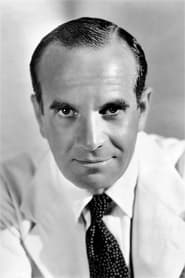
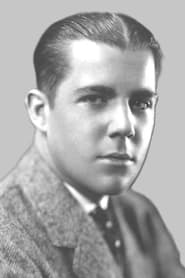
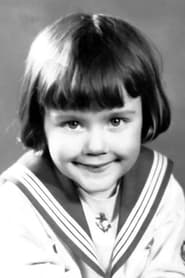
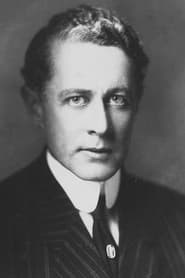
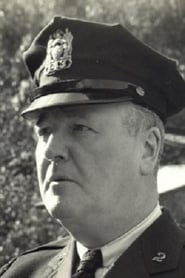
After years of hopeful struggle, waiter and aspiring singer-songwriter Al Stone is on his way. He gets his huge break on a magical night when his song wows big-time producer Louis Marcus and gold-digging showgirl Molly, whom Al fancies. Broadway success and marriage follow, but s.
Cast & crew
More films like this

More Drama films
View all →







More from Lloyd Bacon
View all →


More about this film
About the production
Release dateSeptember 20, 1928
Budget$425,000
Box office$5.9 million (worldwide)
ProductionWarner Bros. Pictures, The Vitaphone Corporation
Filmed inWarner Brothers Burbank Studios, Burbank, California, New York City, New York (stock footage)
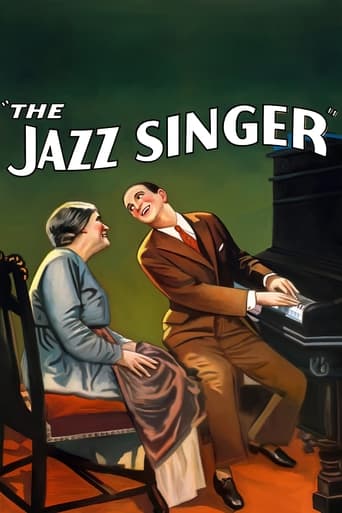
The Singing Fool was rushed into production following the massive success of The Jazz Singer to capitalize on Al Jolson's newfound fame and the public's appetite for sound films. The film utilized the Vitaphone sound-on-disc system, requiring precise synchronization between the separate audio discs and film reels. Production was complicated by the primitive sound technology, requiring actors to remain relatively static near microphones hidden in set pieces. The film was shot as a part-talkie, with approximately 60% of the film featuring synchronized dialogue and songs, while the remaining portions were silent with musical accompaniment.
Themes
Rise and fall of stardomRedemption through loveParent-child relationshipsThe price of fameAuthenticity versus materialism
Themes & topics
musicianBroadwayshow businessfather-son relationshipbetrayalcomebacksuccessheartbreaksongwriterwaiter
Historical background
When The Singing Fool debuted in 1928, Warner Bros. Pictures was among the companies feeding nickelodeons and larger houses alike.
Why this film matters
Museum programs pair The Singing Fool with other 1928 works when discussing after years of hopeful struggle, waiter and aspiring singer-songwriter al stone is on his .
Making of
The production of The Singing Fool was marked by the technical challenges of early sound recording. Director Lloyd Bacon had to work within the severe limitations of the Vitaphone system, which required actors to stand still near hidden microphones. The sound stage had to be completely silent during takes, with air conditioning turned off to avoid noise. Al Jolson, accustomed to the freedom of stage performance, found the technical constraints frustrating but adapted quickly. The film's musical numbers were recorded live during filming, a practice that would soon be replaced by pre-recording. The success of the film led to Jolson receiving an unprecedented $100,000 per film contract from Warner Bros., making him the highest-paid actor in Hollywood at the time.
What critics said
Archival catalogs list The Singing Fool without citing major awards, matching its 1928 profile.
Did you know?
- The Singing Fool was actually more financially successful than The Jazz Singer, earning $5.9 million worldwide compared to The Jazz Singer's $2.6 million
- The song 'Sonny Boy' from the film became the first song from a film to sell over a million records as a single
- 'Sonny Boy' was written specifically for the film by Jolson, Ray Henderson, Buddy DeSylva, and Lew Brown, reportedly in just 20 minutes
- The film was one of the first to use the term 'talkie' in its marketing materials
- Al Jolson's performance in this film established his reputation as 'The World's Greatest Entertainer'
- The film's success helped convince Hollywood studios to transition rapidly from silent films to sound production
- A young Myrna Loy appears uncredited as a showgirl in one of the musical numbers
- The film was so popular that it remained in theaters for over a year in many cities
- The Singing Fool was the first film to have its soundtrack album released commercially
- The film's theme of a performer's rise and fall would become a recurring motif in musical cinema
Awards & recognition
- Academy Award for Best Writing (Adaptation) - nomination
- Photoplay Magazine Medal of Honor - winner
Visual style
The cinematography by Devereux Jennings and Sol Polito was constrained by the technical limitations of early sound recording. The cameras had to be housed in large soundproof booths, limiting mobility and creating a static visual style typical of early talkies. Despite these restrictions, the film used lighting techniques to create dramatic contrast between the glamorous Broadway sequences and the more intimate emotional scenes. The musical numbers featured more elaborate lighting and camera movements, taking advantage of the pre-recorded sound to allow greater visual freedom.
Innovations
The Singing Fool represented significant advances in sound film technology, building on the foundation laid by The Jazz Singer. The film featured a higher percentage of synchronized dialogue and music than previous sound films, demonstrating the commercial viability of predominantly talking pictures. The production team developed innovative techniques for hiding microphones in set pieces and costumes, allowing for more natural actor movement. The film's success helped accelerate the development of more sophisticated sound recording equipment and techniques that would soon make the Vitaphone system obsolete in favor of sound-on-film technology.
Music
The film's soundtrack was recorded using the Vitaphone sound-on-disc system and featured several popular songs composed specifically for the film. 'Sonny Boy' became the breakout hit, selling over 3 million records and becoming one of the best-selling songs of the 1920s. Other notable songs included 'There's a Rainbow 'Round My Shoulder,' 'I'm Sittin' on Top of the World,' and 'The Spaniard That Blighted My Life.' The musical numbers were performed live during filming by Al Jolson, accompanied by the Vitaphone Orchestra. The film's soundtrack was later released as one of the first movie soundtrack albums on 78-rpm records.
Famous quotes
You ain't heard nothin' yet! - Al Jolson (repeated from The Jazz Singer)
Sonny Boy, the world is waiting for you, and every mother's son knows you're the only one.
I'm sittin' on top of the world, just rolling along, singing a song.
There's a rainbow 'round my shoulder, and a pocketful of gold.
Even a fool can learn to sing when his heart's full of music.
Memorable scenes
- Al Jolson singing 'Sonny Boy' to his dying son, among the leading emotional scenes in early sound cinema that reportedly caused audiences to weep openly in theaters
- The opening sequence where Jolson performs for café patrons while working as a waiter, showcasing his natural performing talent
- The Broadway debut sequence where Al Stone achieves his breakthrough moment
- The heartbreaking scene where Al discovers Molly's betrayal and true motives
- The final reconciliation scene where Al and Grace reunite through their shared love of music
What audiences thought
The Singing Fool was an enormous popular success, becoming one of the highest-grossing films of 1928 and 1929. Audiences were particularly moved by the emotional scenes between Jolson and his on-screen son, which often provoked tears and standing ovations in theaters. The film's theme song 'Sonny Boy' resonated deeply with audiences, many of whom had lost sons in World War I, contributing to the song's massive record sales. The film's success led to sold-out showings for months in major cities, with some theaters running it continuously for over a year. Audience response was so enthusiastic that it convinced remaining skeptical studio executives to fully commit to sound production.
Film connections
Influenced by
- The Jazz Singer (1927)
- Vaudeville performance traditions
- Broadway musical theater conventions
- Melodramatic silent film narratives
This film influenced
- Say It with Songs (1929)
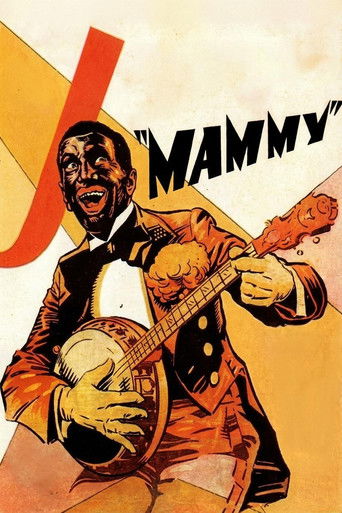
- Mammy (1930)
- The Jazz Singer (1952 remake)
- The Jolson Story (1946)
- Jolson Sings Again (1949)
Film restoration
The Singing Fool is preserved in the Library of Congress and the UCLA Film and Television Archive. The original Vitaphone discs for the sound portions survive, though some have degraded over time. A restored version was released by Warner Bros. in the 1990s, combining the best surviving picture elements with restored audio. The film was selected for preservation in the United States National Film Registry in 2020 for its cultural, historical, and aesthetic significance. Complete 35mm prints exist in several archives, though some sequences show signs of nitrate decomposition.
Where to watch
- The Criterion Channel (streaming)
- Warner Archive Collection (Blu-ray/DVD)
- Turner Classic Movies (periodic television broadcasts)
- The Library of Congress (on-site viewing by appointment)
- Various public domain streaming sites (though quality varies)