Betty Bronson
Actor
Born: November 17, 1906 in Trenton, New Jersey, USA Died: October 19, 1971 Active: 1924-1939 Birth Name: Elizabeth Ada Bronson
Films
5 films
About Betty Bronson
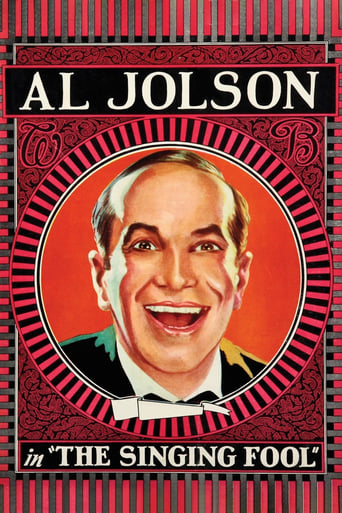
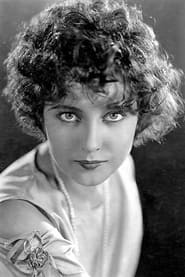
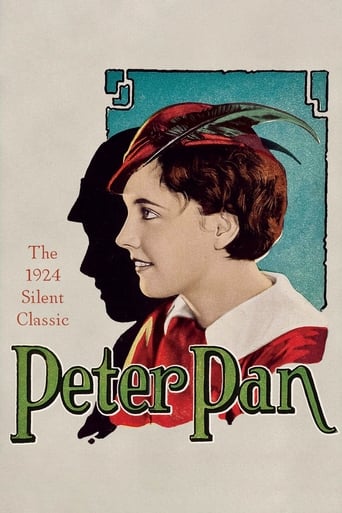
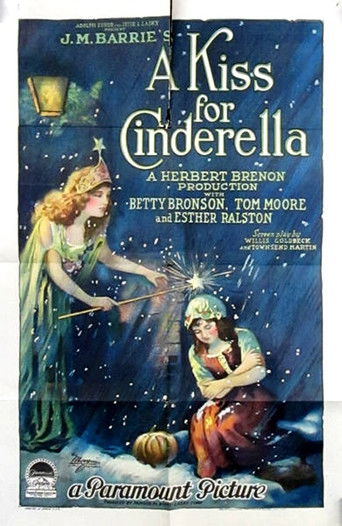
Celebrated actress of the silent film era who achieved stardom at a remarkably young age through her enchanting portrayal of Peter Pan in 1924. Born Elizabeth Ada Bronson in Trenton, New Jersey, she was discovered by director Allan Dwan while working as a teenage model, which led to her breakthrough role that beat out established stars like Mary Pickford. Throughout the mid-1920s, she became one of Paramount Pictures' most popular young actresses, starring in numerous successful films including A Kiss for Cinderella and The Singing Fool alongside Al Jolson. Her ethereal beauty and youthful charm made her particularly suited for fantasy and romantic roles, though she demonstrated versatility across different genres. As the transition to sound films began in the late 1920s, Bronson's career began to wane, though she continued appearing in films through the 1930s in smaller roles. After retiring from acting, she married and lived a private life away from Hollywood, occasionally returning for small television appearances in the 1950s. Her legacy remains tied to her performance as Peter Pan, which continues to be celebrated by silent film enthusiasts and cinema historians.
The Craft
On Screen
Betty Bronson was known for her ethereal, almost otherworldly screen presence that perfectly suited fantasy and romantic roles. Her acting style embodied the innocence and wonder of youth, with large expressive eyes and delicate features that conveyed emotion through subtle gestures rather than broad melodrama. In the silent era, she mastered the art of pantomime and facial expression, bringing a naturalistic quality to her performances that set her apart from many of her contemporaries. Her voice, when heard in early talkies, retained the youthful quality that had made her famous, though she struggled to adapt her acting technique to the demands of sound cinema.
Milestones
- Won the coveted role of Peter Pan (1924) over established stars like Mary Pickford
- Starred in A Kiss for Cinderella (1925), cementing her status as a fantasy film specialist
- Appeared with Al Jolson in The Singing Fool (1928), one of the biggest hits of the silent era
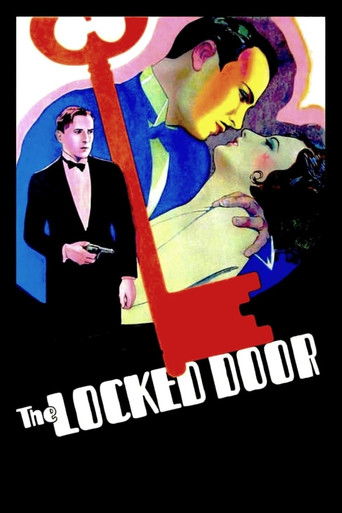
- Successfully transitioned to early sound films with The Locked Door (1929)
- Made her final film appearance in 1939 before retiring from acting
Best Known For
Iconic Roles
Must-See Films
Accolades
Won
- WAMPAS Baby Star of 1925
Special Recognition
- Hollywood Walk of Fame star at 6624 Hollywood Boulevard
- Featured in the book 'The Silent Stars' by William Drew
- Honored at several silent film festivals for her contribution to cinema
Working Relationships
Worked Often With
Studios
Why They Matter
Impact on Culture
Betty Bronson's portrayal of Peter Pan in 1924 became the definitive screen version of J.M. Barrie's character for an entire generation, influencing how the role was interpreted for decades. Her performance captured the androgynous, ethereal quality of Peter that many later adaptations struggled to replicate, and her success in the role demonstrated that unknown actors could carry major productions. As one of the few child stars to successfully transition to adult roles in silent films, she helped establish patterns for young performers in Hollywood. Her films, particularly The Singing Fool, were among the most successful of the late silent era, contributing to the financial stability of major studios during a transitional period in cinema history.
Lasting Legacy
Betty Bronson's legacy endures primarily through her iconic performance as Peter Pan, which remains widely cited. Her work represents the pinnacle of the fantasy genre in silent cinema, and her films are regularly screened at silent film festivals worldwide. While her career was relatively brief, her impact on how fantasy characters were portrayed on screen influenced subsequent generations of actors and filmmakers. Her story also serves as an example of the challenges faced by silent film stars during the transition to sound, making her an important figure in cinema history studies.
Who They Inspired
Bronson's naturalistic acting style influenced other silent film actresses who sought to move away from theatrical gestures toward more subtle performances. Her success in fantasy roles helped establish the genre as commercially viable for major studios, paving the way for later fantasy productions. Her Peter Pan performance specifically influenced how the character was portrayed in subsequent adaptations, including the 1953 Disney animated version. Young actresses in the 1920s and 1930s often cited her as an inspiration for successfully transitioning from child roles to adult characters.
Off Screen
Betty Bronson married Ludwig Lauerhass, a college professor, in 1933, and they remained married until his death in 1969. The couple had one son, Ludwig Lauerhass Jr., who became a history professor. After retiring from acting, Bronson devoted herself to family life and rarely discussed her Hollywood career, preferring privacy over celebrity. She lived in Pasadena, California, for most of her post-Hollywood life, occasionally appearing in small television roles in the 1950s when she needed additional income. Despite her early fame, she maintained a humble and private existence, rarely giving interviews about her time as a silent film star.
Education
Attended public schools in Trenton, New Jersey, before moving to California to pursue acting
Family
- Ludwig Lauerhass (1933-1969)
Did You Know?
- Won the role of Peter Pan over 100 other actresses, including established star Mary Pickford
- Was only 17 years old when she starred in Peter Pan
- Her performance in Peter Pan was so convincing that many viewers believed she was actually a boy
- The Singing Fool (1928) was
- She was named one of the WAMPAS Baby Stars of 1925, an honor given to promising young actresses
- Her first film role was actually an uncredited appearance in 1922's The Christian
- After retiring from films, she worked briefly as a real estate agent
- She made her final film appearance in 1939's The Story of Vernon and Irene Castle
- Her star on the Hollywood Walk of Fame was dedicated in 1960
- Despite her fame, she gave very few interviews during her career
In Their Own Words
I was just a girl from New Jersey who happened to look right for a part. I never expected to be a star.
Playing Peter Pan was both the greatest opportunity and the biggest challenge of my career - I had to make people believe a girl could be the boy who wouldn't grow up.
The transition to sound was difficult for many of us. Our whole way of acting had to change overnight.
I never regretted leaving Hollywood. Family life was more important to me than fame.
Frequently Asked Questions
Who was Betty Bronson?
American actress best known for her starring role as Peter Pan in the 1924 silent film adaptation. She was.
What films is Betty Bronson best known for?
Titles linked here include Peter Pan (1924), A Kiss for Cinderella (1925).
When was Betty Bronson born and when did she die?
Born November 17, 1906; died October 19, 1971.
What awards did Betty Bronson win?
Betty Bronson was named a WAMPAS Baby Star in 1925, an honor given to promising young actresses. She also received a star on the Hollywood Walk of Fame for her contributions to cinema.
What was Betty Bronson's acting style?
Bronson was known for her ethereal, naturalistic acting style that perfectly suited fantasy roles. She conveyed emotion through subtle gestures and expressive facial features, embodying innocence and wonder that made her particularly effective in silent films.
Why did Betty Bronson's career decline?
Bronson's career declined primarily due to the transition from silent films to talkies in the late 1920s. Like many silent film stars, she struggled to adapt her acting technique to sound cinema, and her youthful image became less marketable as she aged.
Did Betty Bronson marry and have children?
Yes, Betty Bronson married Ludwig Lauerhass, a college professor, in 1933, and they remained married until his death in 1969. They had one son, Ludwig Lauerhass Jr., who became a history professor at UCLA.