

A Kiss for Cinderella
"adaption of a novel by Peter Pan author J"
Keys: Space play/pause · ←/→ 10s · F fullscreen · M mute · </> speed
About this film
An adaption of a novel by Peter Pan author J.M. Barrie.
Cast & crew
More films like this

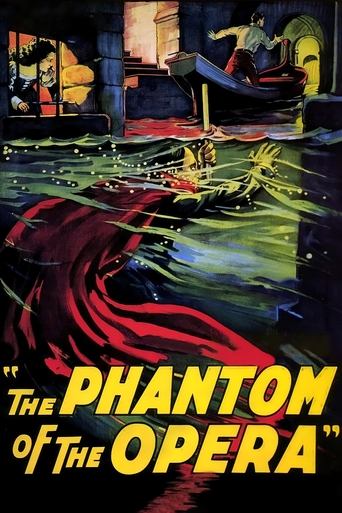
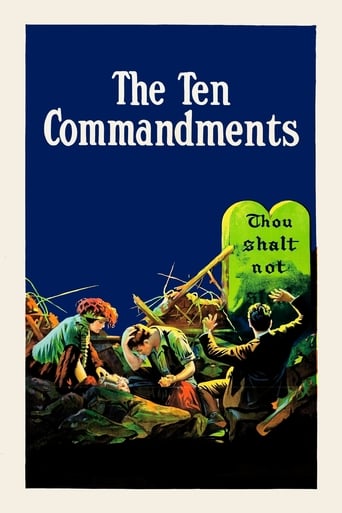
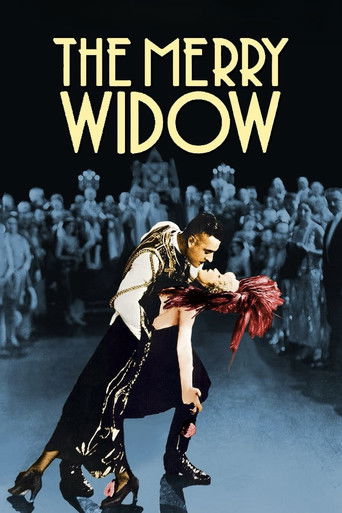
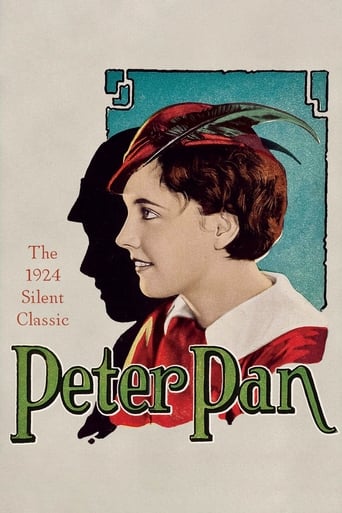
More Fantasy films
View all →

More from Herbert Brenon
View all →
More about this film
About the production
Release dateDecember 21, 1925
Box officeModerately successful, though exact figures not documented
ProductionParamount Pictures
Filmed inParamount Studios, Hollywood, California, London studio sets
The picture featured elaborate fantasy sequences that required extensive set construction and special effects for the era. Betty Bronson was specifically chosen by J.M. Barrie himself after her success in Peter Pan. The production utilized the new Technicolor process for the fantasy ball sequence, though most of the picture was in black and white.
Themes
The power of imagination and dreamsClass struggle and social mobilityThe contrast between reality and fantasyThe resilience of the human spirit during wartimeThe transformative power of kindness
Themes & topics
CinderellaFantasyDreamsWorld War ILondonHousemaidFairy GodmotherMagicTransformationRomanceSocial ClassEscapism
Historical background
Paramount Pictures's 1925 release of A Kiss for Cinderella fit contemporary United States programs that mixed fiction, news, and novelty subjects for repeat weekly attendance.
Why this film matters
Programmers and historians revisit A Kiss for Cinderella (1925) because its story—an adaption of a novel by peter pan author j—illustrates popular narrative habits and production norms of the period.
Making of
The production of A Kiss for Cinderella was marked by Paramount's desire to capitalize on the success of their previous Barrie adaptation, Peter Pan. Herbert Brenon, having directed the successful Peter Pan, was brought back to helm this project. The casting of Betty Bronson was crucial - Barrie himself insisted she play Cinderella after being impressed by her Peter Pan performance. the picture's fantasy sequences required innovative special effects for the time, including double exposure techniques and elaborate set designs. The Technicolor ball sequence was particularly challenging, as the process was still new and expensive. The production team worked closely with Barrie's estate to ensure the adaptation remained faithful to the author's vision while making it suitable for cinema. The wartime setting was carefully researched to create an authentic London atmosphere during World War I.
What critics said
English-language trade reviews of A Kiss for Cinderella are limited for 1925. Where notices survive, they stress pacing and photographic clarity; later criticism values the title as archival evidence of studio style.
Did you know?
- Betty Bronson was personally selected for the role by J.M. Barrie after her acclaimed performance as Peter Pan in 1924
- the picture features one of the earliest uses of Technicolor for fantasy sequences, specifically the ball scene
- J.M. Barrie's original play was written in 1916 and was a response to the hardships of World War I
- the picture's Cinderella never actually goes to a ball - unlike traditional versions, her fantasies are the focus
- Esther Ralston, who played the Fairy Godmother, was one of the highest-paid actresses of the 1920s
- Director Herbert Brenon was known for his literary adaptations and had previously directed the successful 1924 Peter Pan
- the picture's sets were designed by Hans Dreier, who would later become a art director at Paramount
- Some scenes were filmed on location in London to add authenticity to the wartime setting
- The movie was considered quite innovative for its time in blending reality with fantasy sequences
- the picture's title was slightly changed from Barrie's original play 'A Kiss for Cinderella' to emphasize the romantic elements
Awards & recognition
- None documented for
Visual style
The cinematography by James Wong Howe featured innovative techniques for blending reality and fantasy sequences. the picture used soft focus and lighting techniques to distinguish between Cinderella's mundane reality and her dream world. The Technicolor ball sequence was particularly notable for its vibrant use of color, creating a stark contrast with the black and white reality sequences. Howe employed double exposure and matte shots to create magical effects that were advanced for the time. The London street scenes were shot with a documentary-like realism that contrasted sharply with the ethereal quality of the fantasy sequences.
Innovations
the picture's most notable technical achievement was its early use of Technicolor for the fantasy ball sequence, representing one of the first narrative uses of the two-color process. The special effects team, led by Roy Pomeroy, created innovative fantasy sequences using double exposure, matte paintings, and forced perspective photography. The production also featured elaborate set design by Hans Dreier, with interchangeable sets that could transform from drab reality to magical fantasy. the picture's makeup effects, particularly for creating the Fairy Godmother transformation, were considered advanced for the period.
Music
As a silent film, A Kiss for Cinderella would have been accompanied by live musical performance in theaters. The original score was composed by Josiah Zuro, who created a lush romantic score that emphasized the picture's fantasy elements. The music included themes for Cinderella's dreams, dramatic passages for the wartime setting, and waltzes for the ball sequence. Different theaters would have used orchestras, organists, or pianists to perform the score, with some venues adding sound effects for enhanced impact. The score has been reconstructed for modern screenings based on surviving cue sheets and contemporary accounts.
Famous quotes
In dreams, even a scullery maid may be a princess
Sometimes the most magical things happen when we're not looking for them
A kiss is not just for princes, but for those who deserve love
Memorable scenes
- The Technicolor ball sequence where Cinderella's fantasy comes to life in vibrant color
- The transformation scene where the Fairy Godmother appears with magical effects
- The tender moment when Cinderella cares for wounded soldiers in the hospital
- The final scene where reality and fantasy merge in a surprising twist
What audiences thought
Audiences in 1925 responded positively to the picture, particularly enjoying Betty Bronson's performance and the elaborate fantasy sequences. the picture's blend of romance, fantasy, and wartime drama appealed to a broad audience demographic. While not as commercially successful as Peter Pan, it performed respectably at the box office and developed a following among fans of literary adaptations. Modern audiences who have seen the picture through revival screenings and archive presentations have appreciated its visual artistry and the unique interpretation of the Cinderella mythos.
Film connections
Influenced by
- J.M. Barrie's original 1916 play
- Traditional Cinderella fairy tales
- Victorian and Edwardian literature
- German expressionist cinema (for fantasy sequences)
- Contemporary wartime dramas
This film influenced
- Later fantasy films that blend reality and dreams
- Psychological fairy tale adaptations
- Films featuring wartime romance
- Later Technicolor productions
Film restoration
the picture survives in complete form with copies held at major film archives including the Library of Congress and the British Film Institute. Some deterioration is present in existing prints, particularly in the color sequences. the picture has been partially restored by preservationists, though the Technicolor elements have faded significantly over time. A version with reconstructed musical score is available for archival screenings.
Where to watch
- Available through select film archive collections
- Occasionally screened at silent film festivals
- Some versions available on DVD through specialty distributors
- Accessible through certain streaming services specializing in classic cinema
- Available for viewing at film preservation institutions