Films
2 films
About Henry Vibart
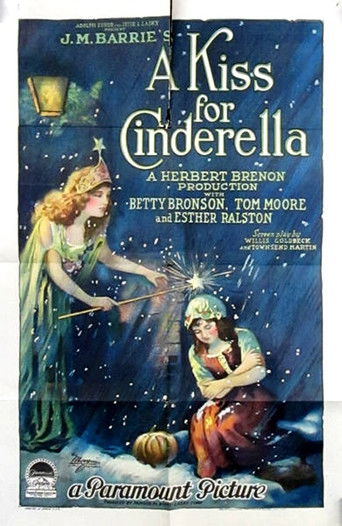
British actor who worked during the silent film era, with his most notable appearance being in the 1925 fantasy film 'A Kiss for Cinderella.' The film was an adaptation of a play by J.M. Barrie and was directed by Herbert Brenon for Famous Players-Lasky Corporation. Vibart played a supporting character role in this romantic fantasy, which was one of the more ambitious productions of its time, featuring elaborate sets and special effects. His career appears to have been brief, with most of his known work concentrated around the mid-1920s period. As with many character actors of the silent era, his contributions to film history, while not widely documented, were part of the foundation of early cinema. The transition to sound films in the late 1920s may have impacted his career trajectory, as it did for many actors of his generation. His performance in 'A Kiss for Cinderella' represents his most significant surviving contribution to cinema history.
The Craft
On Screen
As a silent film actor, Vibart employed the exaggerated gestures and facial expressions typical of the era, using physical performance to convey emotion and character in the absence of dialogue. His acting style would have been influenced by the theatrical traditions that carried over into early cinema, emphasizing clear visual storytelling through movement and expression.
Milestones
- Appeared in 'A Kiss for Cinderella' (1925)
- Worked during the silent film era
- Part of Famous Players-Lasky Corporation productions
Best Known For
Iconic Roles
Must-See Films
Working Relationships
Worked Often With
Studios
Why They Matter
Impact on Culture
Henry Vibart's cultural impact is primarily through his contribution to 'A Kiss for Cinderella,' a significant silent film that showcased the technical and artistic achievements of the era. While not a major star, his work as a character actor contributed to the silent cinema, helping to create the immersive worlds that audiences of the 1920s enjoyed. His performance represents the collective effort of countless supporting actors who were essential to the success of early films.
Lasting Legacy
Henry Vibart's legacy is preserved through his appearance in 'A Kiss for Cinderella,' which remains an important example of 1920s fantasy filmmaking. As a character actor from the silent era, he represents the many performers who contributed to the foundation of cinema history, even if their individual names are not widely remembered today. His work serves as a reminder of the collaborative nature of filmmaking and the importance of supporting roles in creating memorable cinematic experiences.
Who They Inspired
While specific information about Henry Vibart's influence on other actors or filmmakers is not documented, his participation in quality productions like 'A Kiss for Cinderella' contributed to the overall advancement of film acting techniques during the silent era. The work of character actors like Vibart helped establish standards for supporting performances that would influence future generations of film actors.
Off Screen
Limited information is available about Henry Vibart's personal life, which is not uncommon for character actors from the silent era whose careers were brief and who did not achieve star status. Like many actors of his generation, detailed biographical records may not have been preserved or documented extensively.
Did You Know?
- 'A Kiss for Cinderella' was based on a play by J.M. Barrie, the author of 'Peter Pan'
- The film was one of the more elaborate productions of 1925, featuring fantasy elements and special effects
- Famous Players-Lasky Corporation, the studio behind the film, would later become Paramount Pictures
- The transition to sound films in the late 1920s ended many silent era actors' careers
- Silent films required actors to convey emotion through exaggerated gestures and facial expressions
- Character actors like Vibart were essential to the success of early films, providing depth to supporting roles
- Many silent era films, including those featuring lesser-known actors, have been lost to time
- The 1920s was a golden age for fantasy and fairy tale adaptations in cinema
Frequently Asked Questions
Who was Henry Vibart?
British with credits in this catalog.' He was a character actor whose career appears to have been brief, with most of his known work concentrated around the mid-1920s.
What films is Henry Vibart best known for?
Titles linked here include A Kiss for Cinderella (1925).
When was Henry Vibart born and when did he die?
Specific birth and death dates for Henry Vibart are not readily available in historical records, which is not uncommon for character actors from the silent era who had brief careers and did not achieve star status.
What awards did Henry Vibart win?
There is no record of Henry Vibart receiving major awards or nominations for his work in film. This was common for many character actors during the silent era, particularly those with limited filmographies.
What was Henry Vibart's acting style?
As a silent film actor, Henry Vibart would have employed the exaggerated gestures and facial expressions typical of the era, using physical performance to convey emotion and character in the absence of dialogue. His style would have been influenced by theatrical traditions that carried over into early cinema.