Herbert Brenon
Actor & Director
Born: January 13, 1880 in Dublin, Ireland Died: June 21, 1958 Active: 1913-1940
Films
8 films
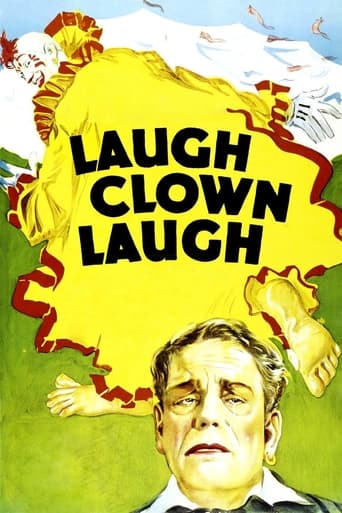
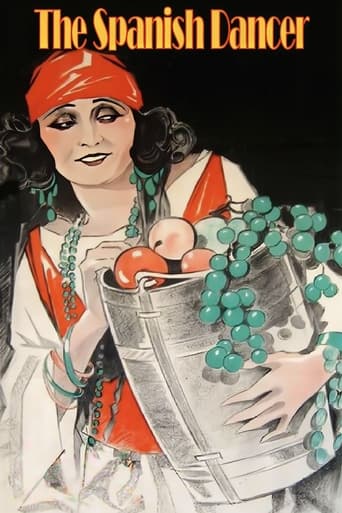
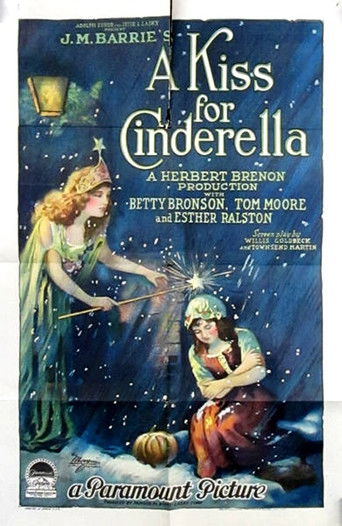
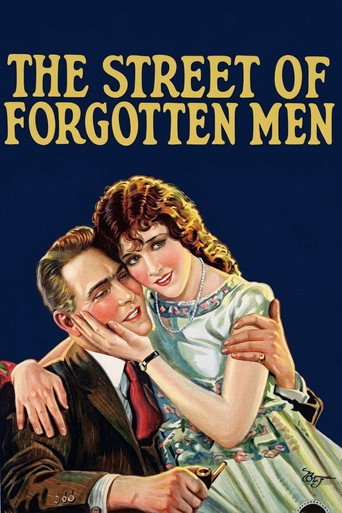
About Herbert Brenon
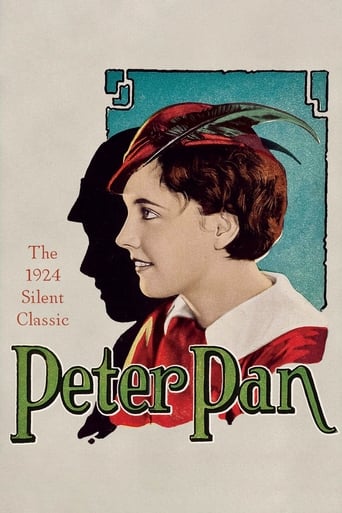
Herbert Brenon (1880-1958) was an influential Irish film director and actor who helped shape cinema during its formative years. Beginning his career as a stage actor in London, Brenon transitioned to film directing in the early 1910s and quickly established himself as one of the directors of American cinema. He was particularly renowned for his adaptations of literary works, bringing classic stories to life with meticulous attention to detail and visual spectacle. His 1924 version of 'Peter Pan' starring Betty Bronson remains adaptations of J.M. Barrie's beloved play. Brenon worked with many of the era's biggest stars including Pola Negri, Ronald Colman, and Betty Compson, while directing for major studios like Paramount and Fox. He successfully navigated the challenging transition from silent to sound films in the late 1920s, demonstrating remarkable versatility as a filmmaker. At the very first Academy Awards ceremony in 1929, Brenon received a nomination for Best Director, cementing his status as one of cinema's early masters.
The Craft
On Screen
As an actor, Brenon primarily appeared in his own early films during the 1910s. His acting style was typical of the theatrical approach common in early cinema, with exaggerated gestures and expressions necessary for silent film communication. However, his true passion and talent lay behind the camera rather than in front of it.
Behind the Camera
Brenon was known for his meticulous attention to detail and ability to create visually stunning large-scale productions. He excelled at adapting literary works to the screen, maintaining the essence of source material while making it distinctly cinematic. His direction emphasized elaborate sets, period-accurate costumes, and visual spectacle characteristic of prestige silent era productions. Brenon was particularly skilled at working with child actors, as demonstrated in Peter Pan and A Kiss for Cinderella, bringing out natural performances from young talent. His visual storytelling techniques helped establish the language of cinema during its formative years.
Milestones
- Directed the first feature-length adaptation of Peter Pan in 1924
- Nominated for Best Director at the first Academy Awards in 1929
- Successfully transitioned from silent to sound films
- Directed Pola Negri in The Spanish Dancer (1923)
- Worked with major studios including Paramount and Fox
- Established visual conventions for literary adaptations
Best Known For
Iconic Roles
Must-See Films
Accolades
Won
- Star on the Hollywood Walk of Fame
Nominated
- Academy Award for Best Director for The Divine Lady (1929)
Special Recognition
- Founding member of the Academy of Motion Picture Arts and Sciences
- Star on the Hollywood Walk of Fame at 6524 Hollywood Boulevard
Working Relationships
Worked Often With
Studios
Why They Matter
Impact on Culture
Herbert Brenon was one of the directors who helped establish cinema as a legitimate art form during its formative years. His adaptations of literary works brought classic stories to mass audiences and demonstrated the potential of film as a medium for sophisticated storytelling. His 1924 'Peter Pan' was particularly influential, establishing visual conventions and narrative approaches that would influence subsequent adaptations for decades. Brenon's work during the crucial transition from silent to sound films helped demonstrate how cinematic storytelling could evolve with new technology while maintaining its artistic integrity. His films helped legitimize cinema as a medium worthy of serious artistic consideration, paving the way for more literary adaptations in Hollywood.
Lasting Legacy
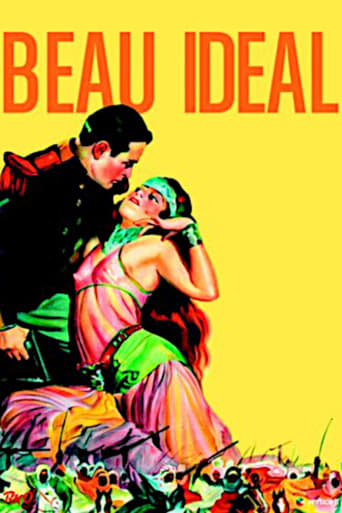
Brenon's legacy lies in his substantial contributions to early cinema as a director who elevated film to an art form capable of sophisticated storytelling and visual poetry. While many of his silent films are now lost or obscure, his surviving works, particularly 'Peter Pan' and 'Beau Geste,' continue to be studied by film historians for their technical achievements and artistic merits. His nomination at the first Academy Awards recognized his standing among the pioneers of American cinema. Brenon's influence can be seen in the way subsequent directors approached literary adaptations, period films, and productions featuring child actors. His career trajectory from silent spectacles to sound dramas exemplifies the adaptability required of directors during cinema's most transformative decades.
Who They Inspired
Brenon influenced subsequent generations of filmmakers through his demonstrations of how to effectively adapt literary works to the screen while maintaining their artistic integrity. His work with child actors set standards for directing young performers that influenced later filmmakers working with children. His ability to handle large-scale productions with multiple locations and numerous extras helped establish techniques used in the development of the Hollywood blockbuster format. Directors like John Ford, who worked under Brenon early in their careers, carried forward his emphasis on visual storytelling and attention to period detail. Brenon's successful navigation of the silent-to-sound transition provided a model for other directors facing similar technological challenges.
Off Screen
Herbert Brenon was married to actress Helen Oberg, with whom he remained until his death in 1958. The couple had one son, Herbert Brenon Jr., who also pursued a career in the film industry. Brenon was known as a sophisticated and educated man who brought literary sensibilities to his film work, having studied engineering at Trinity College Dublin before abandoning it for theater. He was well-traveled and multilingual, which contributed to his ability to work with international stars and handle diverse cultural material in his films.
Education
Attended Trinity College Dublin where he studied engineering before dropping out to pursue a career in theater. Also received education in England and had extensive theatrical training in London before entering films.
Family
- Helen Oberg (married until his death in 1958)
Did You Know?
- Nominated for Best Director at the very first Academy Awards ceremony in 1929
- His 1924 'Peter Pan' was the first feature-length film adaptation of J.M. Barrie's play
- Began his career as a stage actor in London before moving into film
- Many of Brenon's silent films are now considered lost
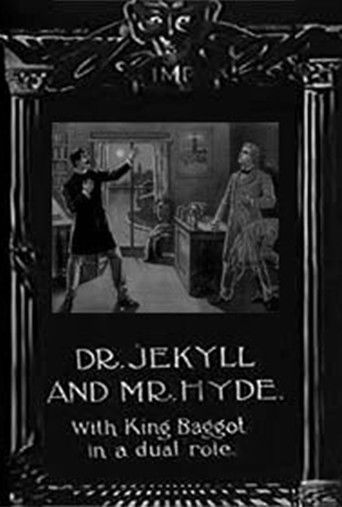
- Directed both the first film adaptation of 'Dr. Jekyll and Mr. Hyde' (1913) and later worked on sound versions
- One of the few directors who successfully transitioned from silent to sound films
- Worked with major stars of the era including Pola Negri, Ronald Colman, and Lon Chaney
- Known for his meticulous attention to historical accuracy in period films
- His film 'Beau Geste' (1926) was remade multiple times, most famously in 1939
- Was one of the founding members of the Academy of Motion Picture Arts and Sciences
- Studied engineering at Trinity College Dublin before pursuing theater
- Spoke multiple languages, which helped him work with international stars
In Their Own Words
The camera is the eye of the audience, and the director must ensure it sees what the heart should feel.
Adapting literature to film is not about recreating the book, but about discovering its cinematic soul.
Silent films taught us that emotions need no words; sound films must remember this truth.
A director must be part psychologist, part artist, and part technician to bring stories to life on screen.
The greatest challenge in filmmaking is not what you show, but what you choose not to show.
Frequently Asked Questions
Who was Herbert Brenon?
Influential Irish on YTB.my. He was known for directing literary adaptations and large-scale productions, most notably the 1924 version of 'Peter Pan,' and was nominated for Best Director at the first Academy Awards.
What films is Herbert Brenon best known for?
Titles linked here include Peter Pan (1924), The Spanish Dancer (1923).
When was Herbert Brenon born and when did he die?
Born January 13, 1880; died June 21, 1958.
What awards did Herbert Brenon win?
Brenon was nominated for the Academy Award for Best Director at the first Academy Awards ceremony in 1929 for his work on 'The Divine Lady.' He received a star on the Hollywood Walk of Fame for his contributions to cinema and was one of the founding members of the Academy of Motion Picture Arts and Sciences.
What was Herbert Brenon's directing style?
Brenon was known for his meticulous attention to detail, elaborate visual productions, and exceptional skill in adapting literary works to the screen. His directing emphasized visual spectacle, period accuracy, and emotional storytelling, with particular talent for working with child actors and handling large-scale productions.
Did Herbert Brenon successfully transition to sound films?
Yes, Brenon was one of the few directors who successfully made the transition from silent to sound films. He continued directing through the early 1930s with films like 'The Rescue' (1929) and 'Lummox' (1930), demonstrating his adaptability to new technology while maintaining his artistic vision.
What was Herbert Brenon's educational background?
Brenon attended Trinity College Dublin where he studied engineering before dropping out to pursue a career in theater. He also received education in England and had extensive theatrical training in London, which contributed to his sophisticated approach to filmmaking and literary adaptations.