

The Spanish Dancer
"Spanish Dancer the story Maritana"
Keys: Space play/pause · ←/→ 10s · F fullscreen · M mute · </> speed
About this film
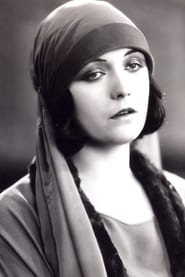
The Spanish Dancer is the story of Maritana, a Romani girl who dances in courtyards and even tells people's fortunes. Despite her lowly position, Maritana wishes to be a Countess. Her ambitions are realized when she meets the handsome Count Don Cesar de Bazán, if only the King of Spain would stay out of their way!
Cast & crew
More films like this

More History films
View all →


More from Herbert Brenon
View all →
More about this film
About the production
Release dateSeptember 23, 1923 (premiered in New York City)
BudgetApproximately $150,000, which was substantial for a silent film in 1923
Box officeApproximately $750,000 worldwide, making it one of Paramount's more profitable releases that year
ProductionParamount Pictures Corporation, Famous Players-Lasky Corporation
Filmed inParamount Studios in Hollywood, California, Various California locations simulating Spanish landscapes
The film was one of Pola Negri's first major American productions after her successful transition from European cinema. Herbert Brenon was known for his ability to direct large-scale productions with elaborate sets and costumes. The film featured some of the most expensive and detailed costumes of 1923, with Pola Negri's Spanish dancer costumes becoming particularly famous. The production employed over 300 extras for the court scenes and dance sequences. The film was shot during the summer of 1923 to take advantage of natural lighting for the outdoor scenes.
Themes
Social mobility and the pursuit of dreamsLove transcending social barriersPersonal integrity versus royal authorityIdentity and self-perceptionFemale empowerment and independence
Themes & topics
Romani dancerSpanish nobilitysocial mobilityroyal intrigueforbidden romanceambitionfortune tellingcourt politicsclass differencespassionate lovedream sequencesexotic danceraristocratic romancegypsy cultureSpanish settingsilent melodramacostume dramaperiod pieceromantic fantasysocial climbing
Historical background
Contemporary records classify The Spanish Dancer (1923) as 1923 film by herbert brenon, placing it within late silent cinema and the transition toward sound.
Why this film matters
The Spanish Dancer (1923) helps trace genre evolution, performer careers, and the material conditions of silent exhibition.
Making of
The production of The Spanish Dancer was marked by several interesting behind-the-scenes developments. Pola Negri, who had recently arrived from Germany after becoming a major European star, was still adjusting to the Hollywood studio system and initially struggled with the language barrier, though she spoke English well enough for the silent medium. Director Herbert Brenon was known for his meticulous attention to detail and demanded multiple takes for the dance sequences to ensure they looked authentic and passionate. The film's romantic scenes between Negri and Moreno generated real chemistry that was noted by cast and crew, though both maintained their professional relationship. The production faced challenges with the elaborate costumes, which were so heavy and restrictive that Negri had to be assisted between takes. The court scenes required extensive coordination with hundreds of extras, and filming often ran late due to the complexity of these sequences.
What critics said
Modern write-ups on The Spanish Dancer (1923) tend to focus on preservation status, stylistic choices, and placement within director or studio filmographies.
Did you know?
- The Spanish Dancer was actually an adaptation of the 1840 opera 'La part du diable' (The Devil's Share) by Daniel Auber, though the film version significantly altered the story to focus more on the romantic elements.
- Pola Negri's performance in this film was so popular that it inspired a fashion trend for 'Spanish-style' dresses and accessories in America in 1923-1924.
- The film's success led to Pola Negri becoming one of the highest-paid actresses in Hollywood, earning approximately $7,500 per week at the time.
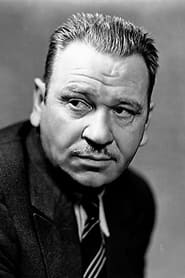
- Wallace Beery, who plays a supporting role, would later become one of MGM's biggest stars in the 1930s, winning an Academy Award for 'The Champ' in 1931.
- The dance sequences in the film were choreographed by Ernest Belcher, who was also the father of famed dancer Marge Champion.
- The film's sets were so elaborate and expensive that they were reused in several other Paramount productions set in Spain.
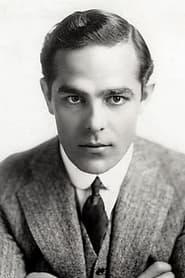
- Antonio Moreno, who plays the Count, was one of the few Latin actors to achieve leading man status in silent cinema, often playing romantic roles opposite Hollywood's biggest female stars.
- The film was one of the first to use Technicolor for certain sequences, though most of the film was in black and white.
- Pola Negri and director Herbert Brenon would collaborate again on 'The Cheat' (1923), which became even more successful.
- The film's title was changed from 'The Gypsy Dancer' to 'The Spanish Dancer' during production to avoid potential controversy and to emphasize the romantic Spanish setting.
Awards & recognition
- Photoplay Medal of Honor (1923) - among the leading prestigious film awards of the silent era
- Pola Negri received a special citation from Motion Picture Magazine for 'Most Dramatic Performance of 1923'
Visual style
The cinematography of The Spanish Dancer, handled by James Wong Howe (one of the few Chinese-American cinematographers working in Hollywood at the time), was notable for its innovative use of lighting and camera movement to enhance the romantic and exotic atmosphere of the story. Howe employed dramatic backlighting during the dance sequences to create silhouettes that emphasized Negri's graceful movements, while using soft focus techniques for the romantic scenes to create a dreamlike quality. The film featured several tracking shots that were relatively advanced for the time, particularly during the outdoor scenes where the camera followed the characters through Spanish-style courtyards and gardens. The color sequences (shot in early Technicolor) used special filters and lighting techniques to ensure the colors appeared vibrant and authentic.
Innovations
The Spanish Dancer featured several technical achievements that were notable for 1923. The film was one of the early productions to use the Bell & Howell 2709 camera, which allowed for more sophisticated camera movements and better image quality than earlier models. The Technicolor sequences, while brief, represented an early use of the two-color process in a feature film and demonstrated the potential for color to enhance storytelling. The production also employed advanced matte painting techniques to create the illusion of expansive Spanish landscapes and grand palace interiors that would have been too expensive to build full-scale. The film's special effects, particularly during the dream sequence where Maritana imagines herself as a Countess, used innovative double exposure techniques that were cutting-edge for the time.
Music
As a silent film, The Spanish Dancer would have been accompanied by live musical performance during its theatrical run. The original score was composed by Josiah Zuro, Paramount's house composer, who created a lush romantic score incorporating Spanish musical themes and rhythms to complement the film's setting. The score featured prominent use of castanets, acoustic guitars, and other Spanish instruments to create authentic atmosphere, particularly during the dance sequences. For theaters without full orchestras, Paramount provided a compiled cue sheet listing appropriate musical pieces that could be assembled from standard repertoire. The love theme for Maritana and the Count became particularly popular and was published as sheet music for home pianists.
Famous quotes
A gypsy may dance in the dust, but her heart can dance among the stars
Love knows no rank, only truth
To dream of a crown is not treason, but to wear one without honor is
The King may rule Spain, but love rules the heart
A dancer's feet may follow the music, but her soul follows her dreams
Memorable scenes
- Maritana's passionate dance in the courtyard where she first catches the Count's attention, featuring elaborate Spanish dance with flowing scarves and dramatic movements
- The royal ball where Maritana, disguised in noble attire, must navigate dangerous court politics while maintaining composure
- The climactic scene where Maritana chooses love over royal favor and reveals her true identity to the Count
- The dream sequence where Maritana imagines herself as a Countess, featuring innovative special effects and fantastical costumes
What audiences thought
Audience reception to The Spanish Dancer was enthusiastic, with the film proving to be a significant commercial success for Paramount Pictures. The film particularly appealed to female audiences who were drawn to Pola Negri's glamorous costumes and the romantic storyline, while male audiences were captivated by the exotic dance sequences and the film's spectacle. The film's success at the box office led to extended runs in major cities and helped establish Negri as especially popular foreign stars in American cinema. Audience letters to movie magazines of the era frequently mentioned the film's emotional impact and the chemistry between Negri and Moreno, with many viewers expressing particular admiration for the film's lavish production values and authentic-feeling Spanish setting.
Film connections
Influenced by
- Daniel Auber's 1840 opera 'La part du diable'
- Francisco Goya's romantic depictions of Spanish life
- Earlier films featuring exotic dancers like 'Sheik' (1921)
- European melodramas featuring strong female protagonists
- 1920s American fascination with exotic entertainment
This film influenced
- Carmen (1926)
- The Loves of Carmen (1927)
- The Devil Dancer (1927)
- The Merry Widow (1925)
- The Gilded Butterfly (1926)
Film restoration
The Spanish Dancer has survived in relatively complete form, though some reels have suffered deterioration over time. A restored version was created by the Museum of Modern Art in the 1970s using surviving negatives and prints from various archives. The film exists in both its original black and white version and with the surviving Technicolor sequences reconstructed where possible. Some of the original intertitles have been lost and have been recreated based on contemporary reviews and production scripts. The restored version runs approximately 78 minutes, slightly shorter than the original release due to lost footage.
Where to watch
- Criterion Collection streaming service
- Blu-ray release as part of Criterion's 'Silent Stars' collection