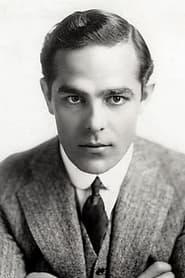
Antonio Moreno
Actor
Born: September 26, 1887 in Madrid, Spain Died: February 15, 1967 Active: 1912-1948 Birth Name: Antonio Garrido Monteagudo
Films
8 films
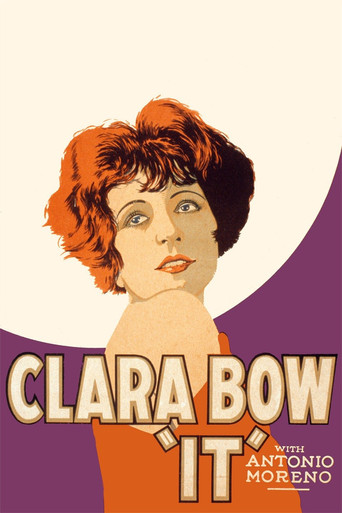
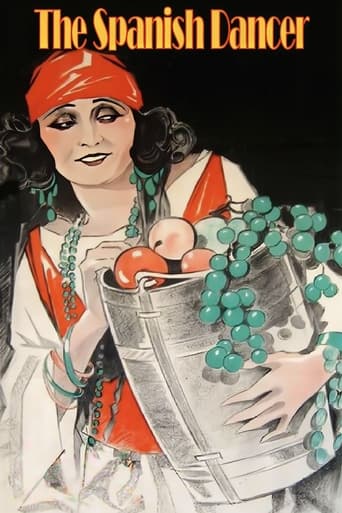
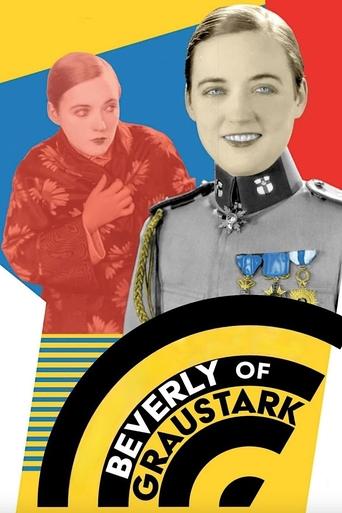
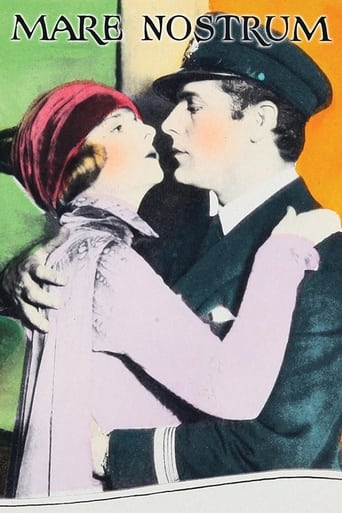
About Antonio Moreno
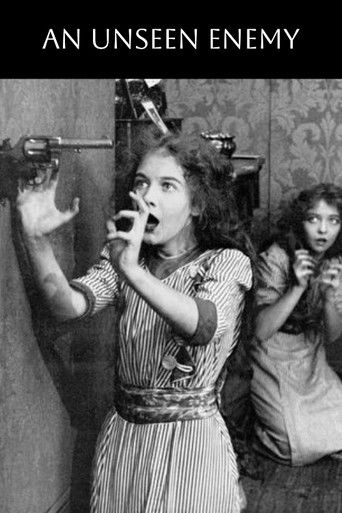
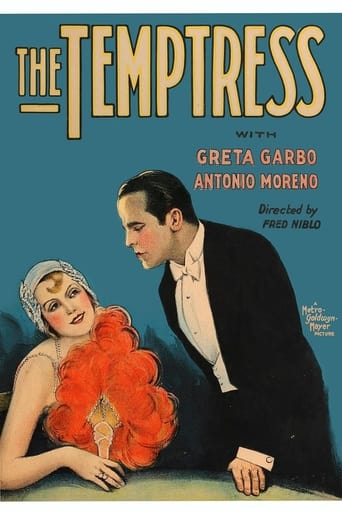
Antonio Moreno was prominent Latin romantic leads of the silent film era, born in Spain and raised in Massachusetts. He began his film career in 1912 with D.W. Griffith's Biograph Company, appearing in the landmark short 'An Unseen Enemy' alongside the Gish sisters. Throughout the 1910s and 1920s, he established himself as a sophisticated leading man, starring opposite major stars like Gloria Swanson, Greta Garbo, and Pola Negri. His most famous roles included 'The Spanish Dancer' (1923) with Pola Negri and 'The Temptress' (1926) with Greta Garbo. Unlike many silent stars, Moreno successfully transitioned to sound films, though his roles became increasingly smaller. He continued acting through the 1940s, appearing in over 150 films throughout his career, and later became a successful real estate investor. Moreno's nearly five decades, making him enduring figures from the silent era.
The Craft
On Screen
Moreno was known for his sophisticated, aristocratic demeanor and intense, passionate screen presence. As a leading man, he embodied the 'Latin lover' archetype with a blend of European refinement and fiery passion. His acting style was typical of the silent era - expressive and dramatic, with carefully controlled gestures and facial expressions that conveyed emotion without dialogue. In sound films, he adapted his style to be more naturalistic while maintaining his distinctive charisma.
Milestones
- Debut in D.W. Griffith's 'An Unseen Enemy' (1912)
- Starred in 'The Spanish Dancer' (1923) with Pola Negri
- Appeared opposite Greta Garbo in 'The Temptress' (1926)
- Successfully transitioned to sound films
- Appeared in over 150 films during his career
- Became a successful real estate investor in later life
Best Known For
Iconic Roles
Must-See Films
Accolades
Special Recognition
- Hollywood Walk of Fame star at 6651 Hollywood Boulevard
Working Relationships
Worked Often With
Studios
Why They Matter
Impact on Culture
Antonio Moreno was instrumental in establishing the 'Latin lover' archetype in Hollywood cinema, paving the way for later actors like Rudolph Valentino and Ramon Novarro. His success demonstrated that foreign-born actors could achieve stardom in American cinema during the silent era. Moreno's sophisticated European style influenced Hollywood's conception of romance and exoticism in the 1920s. His ability to transition from silent films to talkies, while many of his contemporaries could not, showed remarkable adaptability in a rapidly changing industry.
Lasting Legacy
Moreno's legacy lies in his contribution to the romantic leading man tradition of silent cinema and his role in popularizing the Latin lover stereotype. With over 150 films to his credit, he represents. His successful transition to sound films and subsequent business success demonstrated the diverse paths available to silent film stars. Today, he is remembered as an important figure who helped define romantic cinema of the 1920s and as an example of an immigrant who achieved the American dream through both artistic and business endeavors.
Who They Inspired
Moreno influenced subsequent generations of Latin actors in Hollywood by demonstrating the commercial appeal of the passionate, sophisticated Latin leading man. His screen presence and romantic style were emulated by actors who followed in his footsteps. His business acumen after his acting career also set an example for performers in planning for life beyond stardom. His ability to maintain relevance across different eras of filmmaking showed the importance of adaptability in the entertainment industry.
Off Screen
Moreno immigrated to the United States as a child, settling in Massachusetts where he attended school. He married actress Myrtle Stedman in 1923, though the marriage ended in divorce. In 1930, he married fellow silent film star Dorothy Dalton, with whom he remained until his death. After his film career diminished, Moreno became very successful in real estate investments, particularly in Beverly Hills, where he owned extensive property. He was known for his business acumen and maintained a comfortable lifestyle long after his acting career waned.
Education
Attended public schools in Massachusetts after immigrating to the United States as a child
Family
- Myrtle Stedman (1923-1930)
- Dorothy Dalton (1930-1967)
Did You Know?
- Was one of the highest-paid actors of the 1920s, earning $10,000 per week at his peak
- His real name was Antonio Garrido Monteagudo, but he shortened it for film work
- Appeared in the first film ever reviewed by The New York Times ('An Unseen Enemy')
- Was a skilled horseman and performed many of his own stunts
- Spoke fluent English, Spanish, and French
- Owned one of the first homes in Beverly Hills, which he later sold for a substantial profit
- Was considered for the lead in 'The Sheik' (1921) before Rudolph Valentino was cast
- Served in the U.S. Army during World War I
- Was a founding member of the Hollywood Motion Picture Club
- His wife Dorothy Dalton was also a major silent film star before their marriage
In Their Own Words
The silent screen required actors to speak with their eyes and hearts, not their voices
Hollywood in the twenties was like a dream factory - we created fantasies for the world
Transition to sound was difficult for many of us, but I was determined to survive
Being a 'Latin lover' was both a blessing and a curse - it typecast me but also made me a star
Frequently Asked Questions
Who was Antonio Moreno?
Spanish-American with credits in this catalog. Known for his sophisticated 'Latin lover' persona, he starred opposite major stars like Greta Garbo and Pola Negri, appearing in over 150 films throughout his nearly five-decade career.
What films is Antonio Moreno best known for?
Titles linked here include The Spanish Dancer (1923), The Temptress (1926).
When was Antonio Moreno born and when did he die?
Born September 26, 1887; died February 15, 1967.
What awards did Antonio Moreno win?
While Moreno did not receive major acting awards during his career, he was honored with a star on the Hollywood Walk of Fame at 6651 Hollywood Boulevard, recognizing his significant contributions to the film industry. His legacy is primarily remembered through his extensive filmography rather than formal awards.
What was Antonio Moreno's acting style?
Moreno's acting style embodied the sophisticated, passionate 'Latin lover' archetype typical of silent cinema. He used expressive gestures and intense emotional delivery to convey romance and drama without dialogue. In sound films, he adapted to a more naturalistic style while maintaining his distinctive charisma and romantic appeal.