So Near, Yet So Far
"Shy lovers share a house with hidden robbers."
Keys: Space play/pause · ←/→ 10s · F fullscreen · M mute · </> speed
About this film
Shy suitor for the Boy, but obstacles— namely shyness, and the temerity of other suitors— place themselves in the way of his love. Unknowingly, the Boy and the young woman of his fancy both stay at the home of mutual friends— But all is not well, as robbers lurk outside the house.
Cast & crew
More films like this
More Romance films
View all →




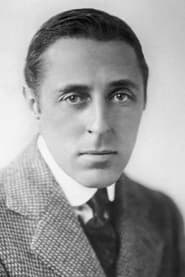
More from D.W. Griffith
View all →
More about this film
About the production
Release dateMarch 25, 1912
Box officeUnknown - box office records for individual short films of 1912 were not systematically tracked
ProductionBiograph Company
Filmed inFort Lee, New Jersey, New York City
This film was produced during D.W. Griffith's most prolific period at Biograph, where he directed hundreds of short films between 1908-1913. The production utilized Biograph's standard practice of shooting quickly and efficiently, often completing films in just one or two days. Mary Pickford was already becoming a major star by 1912, and Griffith frequently cast her in these sentimental romances that showcased her natural screen presence. The film was likely shot on Biograph's studio sets with minimal location work, typical of the company's cost-effective production methods.
Themes
Love at first sightOvercoming shynessRivalry and competitionDanger and protectionMissed opportunities
Themes & topics
shy protagonistlove at first sightrival suitorsrobbersmutual friendscoincidencedangerromancecourageprotection
Historical background
Production circa 1912 situates So Near, Yet So Far within the technical limits of its era—intertitles, fixed cameras, and studio-bound sets shaped every creative choice.
Why this film matters
For historians, So Near, Yet So Far is less a blockbuster than a datapoint—showing what audiences in 1912 could see on a typical program.
Making of
The production of 'So Near, Yet So Far' exemplified the rapid-fire efficiency of Biograph's output during Griffith's tenure. Griffith was known for his meticulous planning, often creating detailed storyboards and shot lists before filming began. The cast, particularly Mary Pickford, had developed an intuitive understanding of Griffith's directing style, requiring minimal verbal instruction on set. Pickford's natural acting style contrasted with the more theatrical approach common in earlier films, and Griffith encouraged this realism in his performers. The film was likely shot in just one or two days, with the cast and crew working long hours to complete multiple films simultaneously. The robber scenes would have required careful coordination and timing, as action sequences were still relatively new to cinema in 1912. Griffith was already experimenting with camera techniques that would later become his signature, including close-ups and cross-cutting to build tension.
What critics said
Audience surveys from 1912 are scarce; reception for So Near, Yet So Far must be inferred from reissue patterns and how often programmers still book it.
Did you know?
- This film was one of approximately 300 short films D.W. Griffith directed for the Biograph Company between 1908 and 1913.
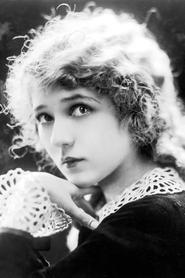
- Mary Pickford was only 19 years old when she appeared in this film, though she was already especially popular actresses in the world.
- The film was shot on 35mm film at Biograph's standard frame rate of 16 frames per second.
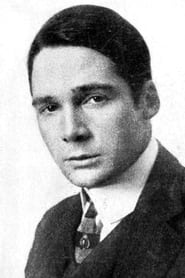
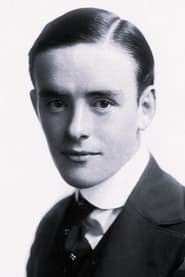
- Walter Miller and Robert Harron were both regular collaborators with Griffith during this period, appearing in dozens of his films.
- Biograph films of this era were typically rented to theaters for a flat fee rather than sold outright, making individual box office tracking impossible.
- The film's title reflects Griffith's fascination with the theme of missed opportunities and romantic misunderstandings, which he explored in numerous shorts.
- This was released during the same year Griffith made his first feature-length film attempts, though he would continue making shorts through 1913.
- The robbers subplot was a common Griffith device to create dramatic tension and force character development.
- Biograph's studio in Fort Lee, New Jersey, was considered the first motion picture production center in America before the industry moved to Hollywood.
- The film was likely edited by Griffith himself, as directors of this era typically performed their own editing.
Visual style
The cinematography in this film reflects the Biograph Company's style during this period, characterized by static camera positions and careful composition within the frame. Billy Bitzer, Griffith's regular cinematographer, likely handled the camera work, bringing his characteristic attention to lighting and composition. The film would have utilized natural lighting when possible, supplemented by artificial lighting for interior scenes. Camera movements were minimal, as mobile camera shots were still technically challenging and rarely used in 1912. The visual storytelling relied heavily on composition and actor placement within the frame to convey relationships and emotions. Griffith was already experimenting with close-ups for emotional emphasis, though these were used sparingly compared to his later works. The film's visual style would have included careful attention to period details in costumes and set design, reflecting the Biograph Company's commitment to production values despite their rapid production schedule.
Innovations
While not among Griffith's most technically innovative works, this film demonstrates several important technical practices of the era. The use of cross-cutting between the romantic storyline and the approaching robbers shows Griffith's mastery of parallel editing to build suspense. The film's single-reel format required efficient storytelling within approximately 12 minutes, influencing the development of concise narrative techniques. The production likely utilized Biograph's patented camera equipment, which was among the most advanced of its time. The film's editing techniques, while simple by modern standards, represented the cutting edge of cinematic grammar in 1912. The lighting techniques used for interior scenes were becoming increasingly sophisticated, allowing for more naturalistic performances. The film's preservation on 35mm nitrate stock, while dangerous for long-term storage, provided excellent image quality for contemporary audiences.
Music
As a silent film, 'So Near, Yet So Far' would have been accompanied by live musical performance during theatrical exhibition. The specific musical score was not recorded or standardized, as theaters typically employed musicians who would improvise or select appropriate pieces to accompany the film. Larger theaters might have had a small orchestra or organist, while smaller venues might have used just a pianist. The music would have followed the dramatic structure of the film, with romantic themes for the love scenes and more suspenseful music during the robbery sequence. Popular songs of the era, classical pieces, or specially composed mood music might have been used depending on the resources of each theater. The lack of synchronized sound meant that musical accompaniment varied significantly between different exhibition venues, making each viewing experience unique. The film's emotional content would have been heavily dependent on the skill and interpretation of the accompanying musicians.
Famous quotes
(Silent film - no dialogue quotes available)
Memorable scenes
- The climactic sequence where the shy protagonist must finally overcome his fear to protect his beloved from the robbers, representing both physical and emotional courage in the face of danger.
What audiences thought
Audience reception for Biograph shorts in 1912 was generally positive, particularly for films featuring popular stars like Mary Pickford. Contemporary accounts suggest that Pickford's films were especially popular with female audiences, who identified with her natural acting style and the relatable romantic situations she portrayed. The combination of romance and danger in this film would have appealed to the broad audience base that nickelodeons and early movie theaters attracted during this period. The theme of shy lovers overcoming obstacles resonated with working-class audiences who often faced similar social challenges in their own lives. While specific audience reactions to this particular film are not documented, the continued demand for similar romantic shorts throughout 1912 indicates their popularity. The film's success can be inferred from Biograph's continued production of similar romantic dramas throughout this period, suggesting strong audience demand for this type of content.
Film connections
Influenced by
- Earlier Biograph shorts by Griffith
- Victorian literature and melodrama
- Stage plays of the era
- Contemporary social norms
- 19th-century romantic literature
This film influenced
- Later Griffith romantic shorts
- Biograph productions of 1912-1913
- Early Hollywood romantic melodramas
- Mary Pickford's later feature films
Film restoration
The preservation status of this specific 1912 Biograph short is uncertain. Many Biograph films from this period have survived through various archives and collections, particularly the Library of Congress and the Museum of Modern Art. However, some films from this era have been lost due to the deterioration of nitrate film stock. If the film survives, it would likely exist as a 35mm print or digital copy in a film archive. The film may have been included in various Griffith retrospective collections or DVD compilations of his early work.
Where to watch
- If preserved, potentially available through film archives
- May be included in D.W. Griffith retrospective collections
- Possible availability through specialized classic film streaming services
- Museum of Modern Art film collection screenings
- Library of Congress motion picture collection