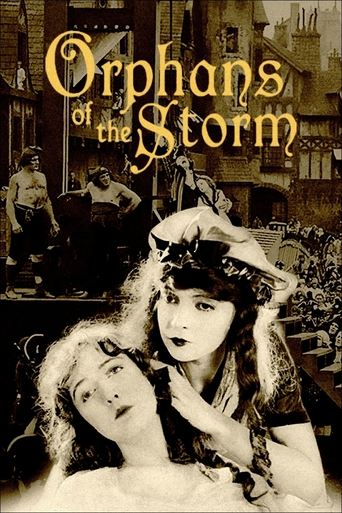
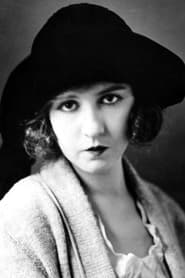
Dorothy Gish
Actor
Born: March 11, 1898 in Massillon, Ohio, USA Died: June 4, 1968 Active: 1912-1963 Birth Name: Dorothy Elizabeth Gish
Films
13 films

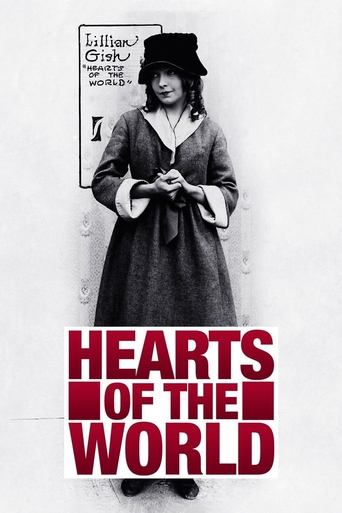
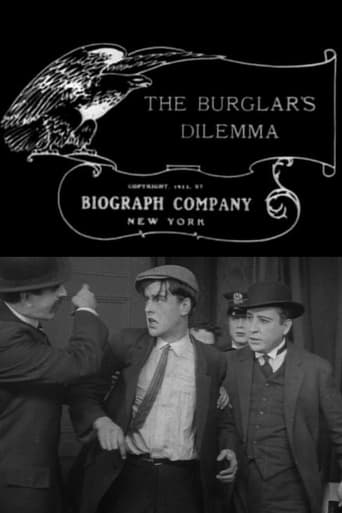
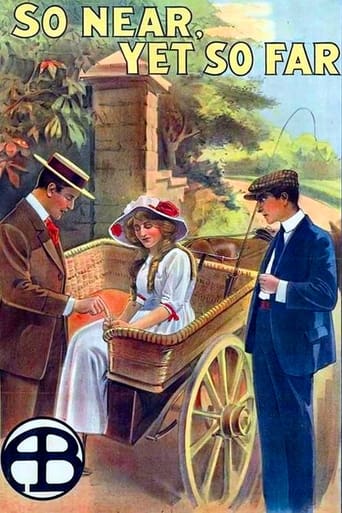

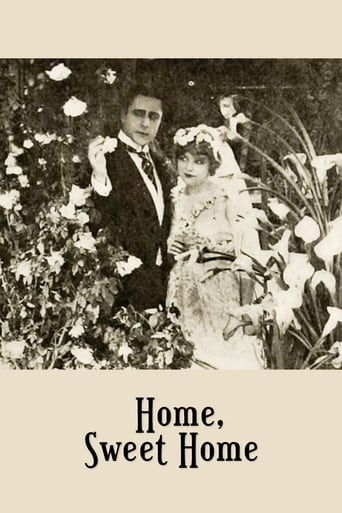
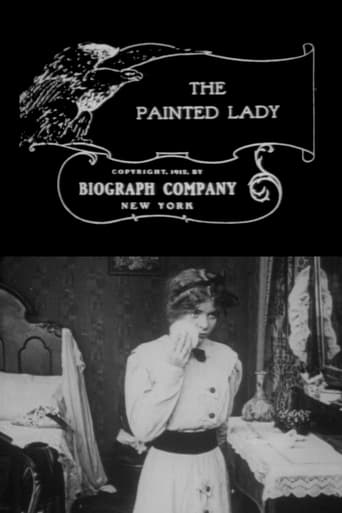
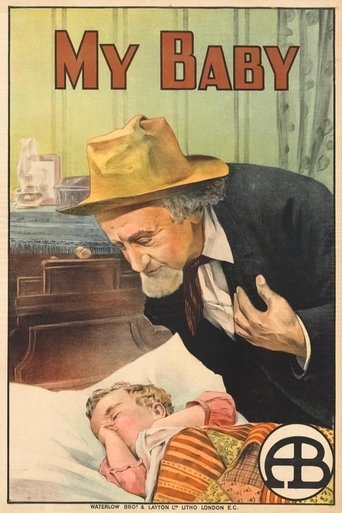
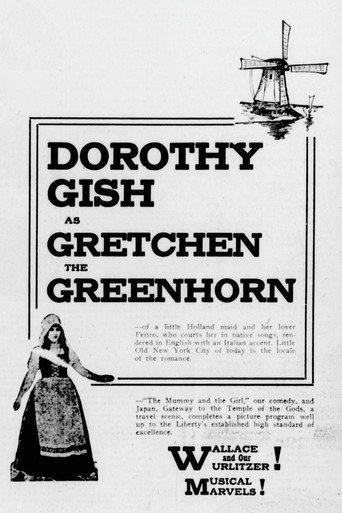
About Dorothy Gish
Dorothy Gish was versatile and beloved actresses of the silent era, known for her naturalistic acting style and comedic timing. Born into a show business family, she and her sister Lillian began their careers as child performers on the stage before being discovered by director D.W. Griffith in 1912. Dorothy quickly became one of Griffith's favorite performers, starring in numerous Biograph shorts before transitioning to feature films with classics like 'The Birth of a Nation' (1915) and 'Intolerance' (1916). Unlike her sister Lillian's dramatic persona, Dorothy specialized in light comedy and vivacious characters, earning her the nickname 'the Mary Pickford of the smaller studios.' She worked prolifically throughout the 1910s and early 1920s, appearing in over 100 films and developing a reputation for her expressive face and energetic performances. As the film industry transitioned to sound, Dorothy successfully adapted by returning to her stage roots and appearing in Broadway productions. Her five decades, and she continued acting in television and film roles until her death in 1968, cementing her legacy as a figure in early American cinema.
The Craft
On Screen
Dorothy Gish was renowned for her naturalistic and spontaneous acting style, which stood in contrast to the theatrical gestures common in silent cinema. She brought a light, comedic touch to her roles, using subtle facial expressions and body language to convey emotion and humor. Unlike many of her contemporaries, she avoided melodramatic overacting, instead favoring a more intimate and realistic approach that resonated with audiences. Her performances were characterized by their energy, charm, and genuine warmth, making her particularly effective in romantic comedies and light dramas.
Milestones
- Discovered by D.W. Griffith and began film career at Biograph Studios (1912)
- Starred in groundbreaking feature 'The Birth of a Nation' (1915)
- Established herself as a comedy specialist in films like 'Romance of the Redwoods' (1917)
- Successfully transitioned to sound films with 'Our Modern Maidens' (1929)
- Returned to Broadway stage in the 1930s and 1940s
- Received Academy Award nomination for 'Lilies of the Field' (1963)
- Published autobiography 'Movies and Men' (1968)
Best Known For
Iconic Roles
Must-See Films
Accolades
Won
- New York Film Critics Circle Award for Best Actress (1946) for 'The Magnificent Yankee'
- George Eastman Award for contribution to film art (1968)
Nominated
- Academy Award nomination for Best Supporting Actress for 'Lilies of the Field' (1963)
Special Recognition
- Hollywood Walk of Fame star at 6508 Hollywood Boulevard
- Inducted into the International Film Hall of Fame
- Honored by the Museum of Modern Art for contributions to cinema
Working Relationships
Worked Often With
Studios
Why They Matter
Impact on Culture
Dorothy Gish played a crucial role in the development of naturalistic acting in early cinema, helping to move the art form away from theatrical gestures toward more authentic performances. Her work in comedy helped establish the romantic comedy as a viable genre in silent films, influencing countless actresses who followed. As one of the first true film stars to successfully transition between mediums, she demonstrated the versatility required for longevity in the entertainment industry. Her partnership with sister Lillian represented one of Hollywood's most enduring sibling relationships, challenging the competitive nature of the studio system. Dorothy's ability to adapt her craft from silent films to sound, stage, and television made her a model for performers facing technological changes in the industry.
Lasting Legacy
Dorothy Gish's legacy endures through her extensive filmography, which continues to be studied by film historians and screened at classic cinema festivals. She is remembered as a actress who brought subtlety and naturalism to silent film performances, particularly in comedy. Her work with D.W. Griffith helped establish many of the narrative techniques that would become standard in American cinema. The Dorothy and Lillian Gish Film Prize, established in their honor, continues to recognize significant contributions to film art. Her autobiography and numerous interviews provide valuable insights into the early days of Hollywood, making her an important historical resource for understanding the transformation of American cinema from its infancy to the modern era.
Who They Inspired
Dorothy Gish influenced generations of actresses through her demonstration that subtlety and naturalism could be more powerful than overt theatricality. Her comedic timing and expressive style inspired performers like Carole Lombard and Jean Arthur in the sound era. Film historians credit her with helping establish the template for the modern film actress who could seamlessly transition between comedy and drama. Her approach to character development and emotional authenticity influenced method acting techniques that would emerge in the 1940s and 1950s. Contemporary actresses studying silent film often cite Gish as a prime example of how to convey complex emotions without dialogue, making her work relevant even in the modern era of performance studies.
Off Screen
Dorothy Gish never married and had no children, dedicating her life entirely to her career and caring for her family. She maintained an extremely close relationship with her sister Lillian throughout their lives, both professionally and personally. The sisters lived together for many years and supported each other through various career transitions and personal challenges. Dorothy was known for her wit, charm, and generosity, often helping struggling actors and contributing to charitable causes. She spent her final years in Italy, where she died of pneumonia at age 70, with Lillian by her side.
Education
Limited formal education due to early career start; primarily educated through private tutors and practical experience in theater and film
Did You Know?
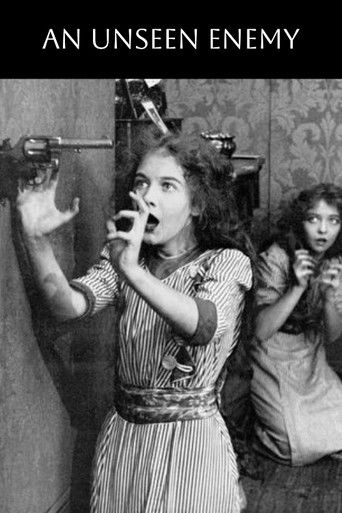
- Made her film debut at age 14 in 'The Unseen Enemy' (1912) alongside her sister Lillian
- Earned $1,000 per week in 1918, making her one of the highest-paid actresses of her time
- Was originally offered the role that made Mary Pickford famous in 'Rebecca of Sunnybrook Farm' but turned it down
- Spoke fluent French and Italian, which helped her in later European film projects
- Was a talented painter and had several art exhibitions in New York galleries
- Once performed 12 different roles in a single stage production of 'The Little Millionaire'
- Was an early supporter of the Film Preservation movement in the 1960s
- Her final film appearance was in 'The Cardinal' (1963), released the year she died
- Never received an Academy Award despite a 50+ year career, though she was nominated once
- Turned down numerous offers to write tell-all books about Hollywood's golden age
In Their Own Words
I never wanted to be a star. I just wanted to be an actress. The star part was something the studios did to you.
In the silents, we had to use our faces. We had to show everything with our eyes. Now actors have voices, but sometimes I think they've forgotten how to use their eyes.
My sister was the tragedian, I was the comedian. It was perfect. We never competed because we were in different businesses.
The best thing about being a Gish was that we had each other. In that business, you need someone who really knows you.
I don't think films have changed as much as people think. The stories are the same, only the ways of telling them are different.
Frequently Asked Questions
Who was Dorothy Gish?
American actress of the silent film era, known for her naturalistic acting style and comedic talent. She starred in over 100 films and worked extensively with director D.W. Griffith, often appearing alongside her famous sister Lillian Gish.
What films is Dorothy Gish best known for?
Titles linked here include The Birth of a Nation (1915), Intolerance (1916).
When was Dorothy Gish born and when did she die?
Born March 11, 1898; died June 4, 1968.
What awards did Dorothy Gish win?
Dorothy Gish received an Academy Award nomination for Best Supporting Actress for 'Lilies of the Field' (1963) and won the New York Film Critics Circle Award for Best Actress for 'The Magnificent Yankee' (1946). She also received the George Eastman Award in 1968.
What was Dorothy Gish's acting style?
Dorothy Gish was known for her naturalistic and subtle acting style, which contrasted with the theatrical gestures common in silent films. She specialized in light comedy, using expressive facial features and body language to convey emotion and humor with authenticity and charm.
How was Dorothy related to Lillian Gish?
Dorothy and Lillian Gish were sisters who both became famous silent film actresses. They maintained an extremely close personal and professional relationship throughout their lives, often appearing together in films and supporting each other's careers.
Did Dorothy Gish transition to sound films successfully?
Yes, Dorothy Gish successfully transitioned to sound films, appearing in movies like 'Our Modern Maidens' (1929). She also returned to her stage roots, performing in Broadway productions and later appearing in television shows, demonstrating remarkable versatility across different entertainment mediums.