
Home, Sweet Home
"A songwriter's fall and redemption inspire the hymn Home, Sweet Home."
Keys: Space play/pause · ←/→ 10s · F fullscreen · M mute · </> speed
About this film
Songwriter Payne home and begins a career in the theater. Despite encouragement from his mother and his sweetheart, Payne begins to lead a life of dissolute habits, and this soon leads to ruin and misery. In deep despair, he thinks of better days, and writes a song that later provides inspiration to several others in their own times of need.
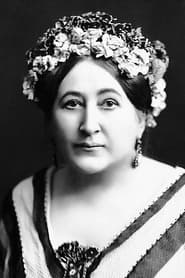
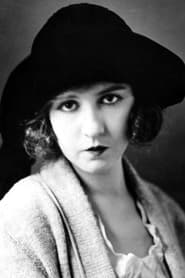
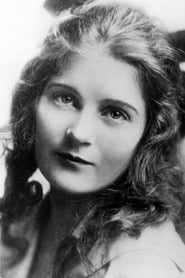
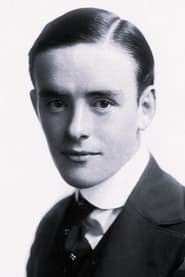
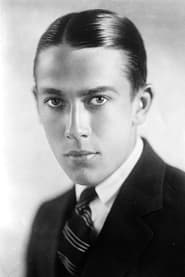
Cast & crew
More films like this

More Drama films
View all →






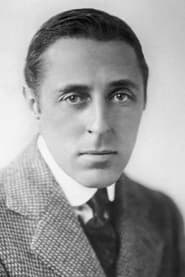
More from D.W. Griffith
View all →
More about this film
About the production
Release dateJuly 12, 1914
ProductionBiograph Company
Filmed inCalifornia, New York
This film was one of D.W. Griffith's last works for Biograph before he moved to Mutual Film Corporation. The production featured elaborate sets and costumes to depict different time periods, showcasing Biograph's investment in quality productions. Griffith used innovative cross-cutting techniques to connect Payne's story with the vignettes of people affected by his song, demonstrating his mastery of parallel narrative structure.
Themes
Home and belongingRedemption and second chancesThe power of art to transcend timeFamily bondsLoss and nostalgia
Themes & topics
biographicaltheatersongwriterfall from graceredemptionanthologyhistorical dramafamilymusicinspirationlegacymultiple storylines
Historical background
Audiences around 1914 encountered Home, Sweet Home in a market crowded with competing studios fighting for weekly program slots.
Why this film matters
Reference works on 1914 cinema cite Home, Sweet Home when tracing genre habits, studio economics, or regional production patterns of the period.
Making of
D.W. Griffith was at the height of his powers at Biograph when he made 'Home, Sweet Home,' experimenting with longer narratives and more complex storytelling techniques. The film was part of Griffith's effort to elevate cinema from simple entertainment to a serious art form capable of conveying deep emotional and moral messages. Griffith worked closely with his regular cast and crew, including cinematographer Billy Bitzer, to create the film's distinctive visual style. The production involved creating multiple period settings, from early 19th-century America to contemporary scenes, requiring extensive research into historical costumes and decor. Griffith's meticulous attention to detail and his insistence on authentic performances from his actors helped establish new standards for film production quality.
What critics said
Press clipping files from 1914 rarely give Home, Sweet Home headline space; mentions appear in roundup columns listing what played that week.
Did you know?
- The film is based on the real-life story of John Howard Payne (1791-1852), an American actor, playwright, and diplomat who wrote the lyrics to 'Home! Sweet Home!' in 1822 for his opera 'Clari, the Maid of Milan'
- The song's melody was composed by Sir Henry Bishop, and it became especially popular songs of the 19th century, known worldwide
- This was one of the last films D.W. Griffith made for the Biograph Company before leaving to form his own production company
- The film features an early example of what would later be called anthology structure, with multiple vignettes connected by a central theme
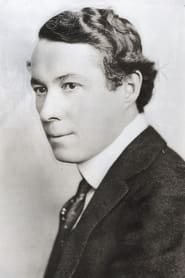
- Henry B. Walthall, who plays John Howard Payne, would later star as Ben Cameron in Griffith's controversial masterpiece 'The Birth of a Nation' (1915)
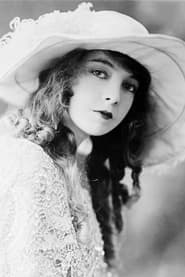
- Lillian Gish appears in one of the vignettes, demonstrating Griffith's practice of using his stock company actors in various roles
- The film was part of Griffith's series of 'quality' productions for Biograph, which were longer and more elaborate than typical one-reel films of the era
- The song 'Home! Sweet Home!' was reportedly played on the Titanic as the ship was sinking, adding to its cultural significance
- Griffith's film helped preserve the story of John Howard Payne for future generations when the playwright's own works were largely forgotten
- The film's release coincided with the beginning of World War I in Europe, making its themes of home and longing particularly resonant
Visual style
The cinematography by Billy Bitzer employed innovative techniques for the time, including sophisticated use of lighting to create mood and atmosphere. The film featured carefully composed shots that used depth and framing to enhance the emotional impact of each scene. Bitzer and Griffith experimented with different visual styles for the various time periods depicted in the film, using soft focus and special effects to distinguish between past and present. The camera work included subtle movements and angles that guided viewers' attention to important details within the frame. The film's visual language helped establish the emotional tone of each vignette while maintaining a cohesive overall aesthetic.
Innovations
The film demonstrated several technical innovations for its time, including sophisticated cross-cutting between different storylines and time periods. Griffith's use of parallel editing to connect John Howard Payne's story with the vignettes of those affected by his song was groundbreaking. The production featured elaborate sets and costumes that recreated different historical periods with remarkable accuracy for the era. The film's structure as an early anthology influenced the development of narrative complexity in cinema. Griffith's direction showed growing mastery of film language, using visual storytelling techniques that minimized the need for explanatory intertitles.
Music
As a silent film, 'Home, Sweet Home' would have been accompanied by live musical performances during screenings, typically featuring piano or organ. The score would have prominently included variations of the song 'Home! Sweet Home!' throughout the presentation. Theater musicians often used the film as an opportunity to showcase their interpretive skills, creating elaborate arrangements of the familiar melody. The film's structure, with its multiple emotional moments, allowed for dynamic musical accompaniment that could enhance the audience's emotional response. The enduring popularity of the title song meant that many audience members would have been familiar with the melody, creating an additional layer of emotional connection to the on-screen action.
Famous quotes
'Mid pleasures and palaces though we may roam, Be it ever so humble, there's no place like home.' - The recurring lyric from 'Home! Sweet Home!' that serves as the film's emotional center
'A change comes o'er the spirit of my dream.' - Line from the poem that inspired Payne's song
'Be it ever so humble, there's no place like home.' - The most famous line from the song, repeated throughout the film
Memorable scenes
- The emotional sequence where John Howard Payne, at his lowest point, begins composing 'Home! Sweet Home!' while reminiscing about his childhood home
- The vignette showing a Civil War soldier finding comfort in the song while far from home
- The scene of a lonely immigrant in America hearing the song and being transported back to memories of her homeland
- The powerful moment where multiple characters from different time periods are shown simultaneously being moved by the song
- The final scene bringing together all the vignettes to demonstrate the universal impact of Payne's creation
What audiences thought
The film was warmly received by audiences of 1914, who responded emotionally to its themes of home, family, and redemption. Many viewers reportedly wept during the screening, particularly during the scenes where the song brings comfort to those in distress. The film's release coincided with a wave of nostalgia in American culture, and audiences found resonance in its message about the enduring importance of home and family ties. The popularity of the song itself undoubtedly contributed to the film's success, as many viewers were already familiar with and fond of 'Home! Sweet Home!' The film's multiple vignettes allowed different segments of the audience to find characters and situations they could relate to, broadening its appeal across demographic groups.
Film connections
Influenced by
- Literary biographies of famous artists
- Victorian melodrama tradition
- 19th-century theatrical conventions
- Contemporary stage plays about famous historical figures
- Griffith's own earlier Biograph shorts dealing with moral themes
This film influenced
- The Song of the Flame (1930)
- The Great Ziegfeld (1936)
- Yankee Doodle Dandy (1942)
- The Jolson Story (1946)
- Various biographical films about songwriters and performers
Film restoration
The film survives in its entirety and has been preserved by major film archives including the Library of Congress and the Museum of Modern Art. Prints of the film exist in 16mm and 35mm formats. The film has been digitally restored and is available through various archival channels. Some original tinting from theatrical release prints has been preserved in certain versions.
Where to watch
- Library of Congress National Audio-Visual Conservation Center
- Museum of Modern Art Film Collection
- UCLA Film & Television Archive
- Various online streaming services specializing in classic cinema
- DVD compilations of D.W. Griffith's Biograph films