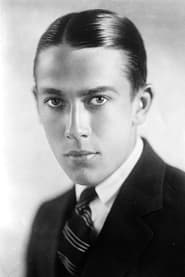
Jack Pickford
Actor & Director
Born: August 18, 1896 in Toronto, Ontario, Canada Died: January 3, 1933 Active: 1910-1926 Birth Name: John Smith Pickford
Films
23 films
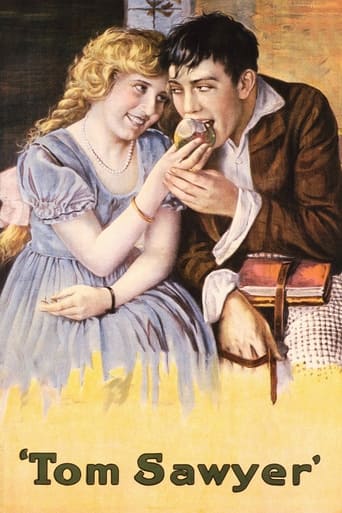
Tom Sawyer
1917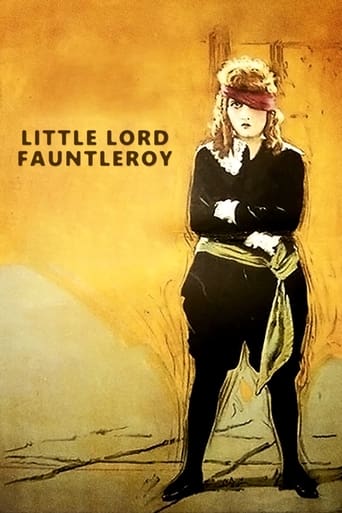
Little Lord Fauntleroy
1921
Home, Sweet Home
1914
Fanchon, the Cricket
1915
As a Boy Dreams
1911
The Oath and the Man
1910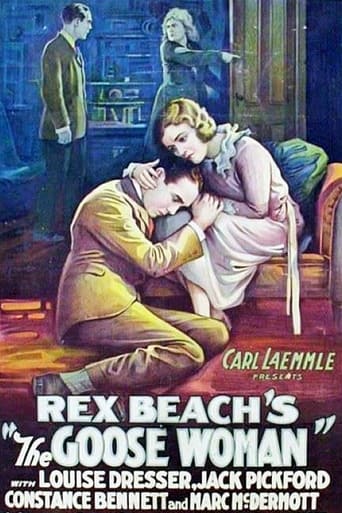
The Goose Woman
1925
The Massacre
1912
A Dash Through the Clouds
1912
The Inner Circle
1912
The Narrow Road
1912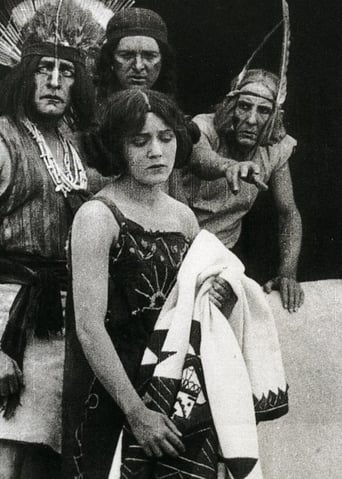
A Pueblo Legend
1912
The Man Who Had Everything
1920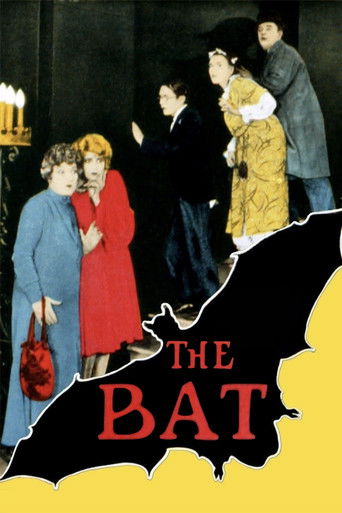
The Bat
1926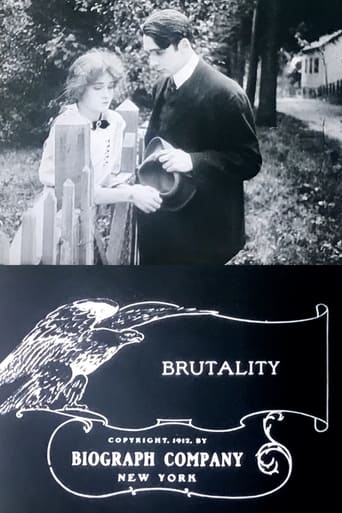
Brutality
1912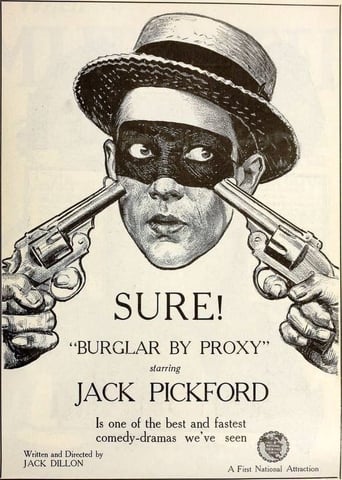
Burglar by Proxy
1919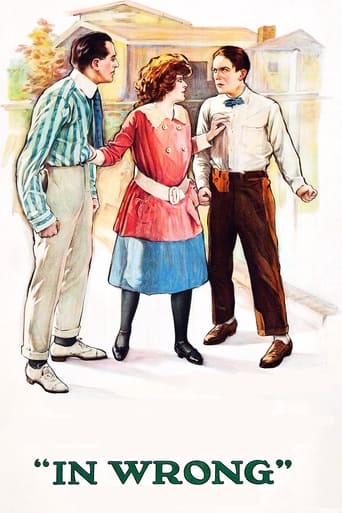
In Wrong
1919
His Duty
1909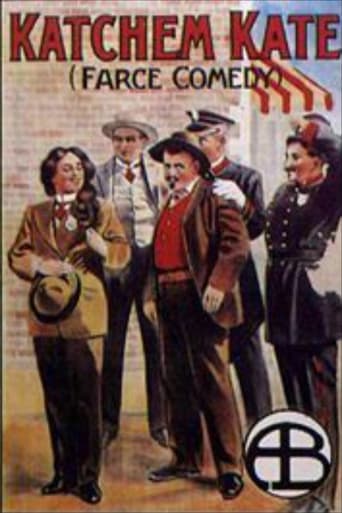
Katchem Kate
1912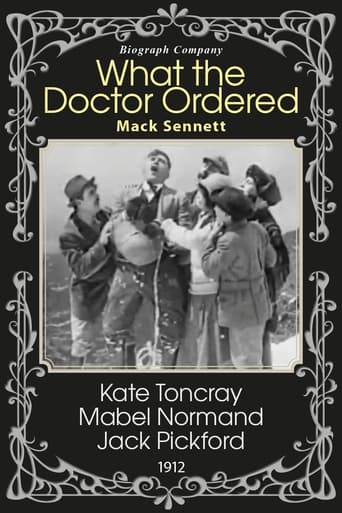
What the Doctor Ordered
1912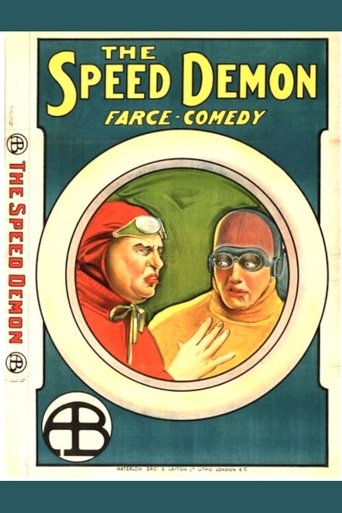
The Speed Demon
1912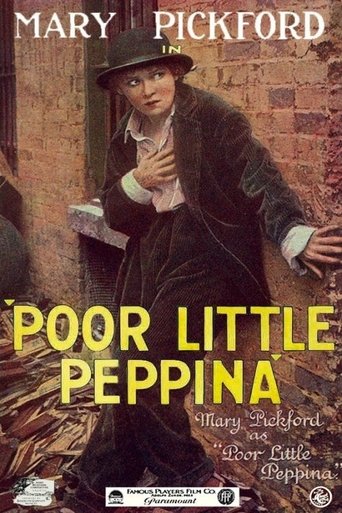
Poor Little Peppina
1916About Jack Pickford
Jack Pickford, born John Smith Pickford, was a Canadian-American actor and director who rose to fame during the silent film era as the younger brother of cinema legend Mary Pickford. He began his career as a child actor alongside his sister in Biograph shorts directed by D.W. Griffith, quickly becoming a popular juvenile lead known for his boyish charm and romantic appeal. Throughout the 1910s, Pickford established himself as a bankable leading man, appearing in numerous successful films for major studios including Paramount and Artcraft. In the early 1920s, he transitioned into directing, helming several films including the notable adaptation of 'Little Lord Fauntleroy' (1921) starring his sister. Despite his professional success, Pickford's career was hampered by personal struggles with alcoholism and drug addiction, which intensified after the tragic death of his first wife Olive Thomas in 1920. His acting roles diminished throughout the 1920s as his personal problems mounted, though he continued to work sporadically until 1926. Pickford's life ended tragically at age 36 from multiple organ failure brought on by his long-standing substance abuse, marking the premature end of a once-promising career in Hollywood's golden age.
The Craft
On Screen
Jack Pickford was known for his naturalistic acting style that emphasized boyish charm, romantic appeal, and emotional sincerity. Unlike many silent era actors who relied on exaggerated gestures, Pickford brought a subtle, understated quality to his performances, particularly in romantic roles. His screen presence was characterized by a youthful exuberance and earnestness that made him particularly popular with female audiences. He specialized in playing the romantic lead, often portraying characters who were wholesome yet passionate, with a particular talent for conveying vulnerability beneath a confident exterior.
Behind the Camera
Pickford's directing style, though limited in scope, reflected his background in character-driven storytelling and his understanding of intimate family dramas. His direction of 'Little Lord Fauntleroy' demonstrated a careful attention to period detail and a gentle touch with child performers, likely influenced by his sister Mary's success in similar roles. His approach emphasized clear narrative progression and emotional authenticity over technical innovation, focusing on drawing natural performances from his actors. While not an innovative visual stylist, Pickford showed competence in crafting accessible, family-friendly entertainment that appealed to mainstream audiences of the early 1920s.
Milestones
- Breakthrough role in D.W. Griffith's Biograph shorts (1910-1912)
- Became leading man at Famous Players Film Company (1914)
- Starred in successful war drama 'The Man from Home' (1914)
- Directed and acted in 'Little Lord Fauntleroy' (1921) with sister Mary
- Signed lucrative contract with Paramount Pictures (1917)
- Married Broadway star Marilyn Miller (1922)
Best Known For
Iconic Roles
Must-See Films
Accolades
Special Recognition
- Hollywood Walk of Fame star (Motion Pictures) - 6280 Hollywood Boulevard
Working Relationships
Worked Often With
Studios
Why They Matter
Impact on Culture
Jack Pickford's cultural impact is primarily defined by his role in the Pickford acting dynasty and his representation of the darker side of Hollywood's golden age. As Mary Pickford's brother, he benefited from and contributed to the family's status as Hollywood royalty during the silent era. His career trajectory, marked by early success followed by personal decline, exemplified the pressures and pitfalls faced by child stars in early Hollywood. His tragic marriage to Olive Thomas and her subsequent death became one of early Hollywood's most notorious scandals, highlighting the dangers of fame and substance abuse in the film industry. Pickford's story serves as a cautionary tale about the transitory nature of stardom and the personal costs of Hollywood success.
Lasting Legacy
Jack Pickford's legacy is complex, remembered both as a talented performer of the silent era and as a tragic figure whose personal struggles overshadowed his professional achievements. While his film work has largely been overshadowed by his more famous sister, his contributions to early cinema, particularly his naturalistic acting style, influenced the transition toward more subtle performances in film. His directing work, though limited, demonstrated an understanding of family entertainment that would become increasingly important in Hollywood. Today, Pickford is primarily remembered through film scholarship as an example of the personal toll exacted by early Hollywood fame, and his story continues to fascinate historians studying the dark side of the golden age of cinema.
Who They Inspired
Jack Pickford's influence on cinema was primarily indirect, through his early adoption of naturalistic acting techniques in an era dominated by theatrical performance styles. His understated approach to emotional expression helped pave the way for more realistic performances in silent films. His work with D.W. Griffith contributed to the development of narrative filmmaking techniques that would become standard in the industry. While he didn't directly mentor future stars, his career trajectory and personal struggles served as cautionary examples for subsequent generations of actors dealing with fame and substance abuse issues.
Off Screen
Jack Pickford's personal life was marked by tragedy and controversy, overshadowing his professional achievements. He married actress Olive Thomas in 1916, but their marriage was tumultuous and marred by substance abuse. Thomas died tragically in 1920 from accidentally consuming mercury bichloride in Paris, an event that haunted Pickford for the rest of his life. In 1922, he married Broadway star Marilyn Miller,. Pickford struggled with morphine and alcohol addiction throughout his adult life, problems that worsened after Thomas's death. He had no children and spent his final years in poor health, dying at age 36 in a Paris hospital from multiple organ failure.
Education
Limited formal education due to early entry into show business; educated primarily through tutors while working in theater and film
Family
- Olive Thomas (1916-1920, her death)
- Marilyn Miller (1922-1931, divorced)
- Mary Mulliken (1932-1933, his death)
Did You Know?
- Changed his professional name from John Smith to Jack to avoid confusion with another actor
- Was the first member of the Pickford family to sign a film contract
- His death certificate listed the cause as 'multiple neuritis' brought on by alcoholism
- Served briefly in the U.S. Navy during World War I but was discharged due to health issues
- His marriage to Marilyn Miller was
- Was one of the highest-paid actors of the early 1920s, earning over $2,000 per week
- His mother Charlotte also acted in films under the name Charlotte Smith Pickford
- Was present in Paris when his wife Olive Thomas died from mercury poisoning
- His film 'Seventeen' (1916) was considered so risque that it was banned in several cities
- Despite his success, he lived in the shadow of his more famous sister throughout his career
In Their Own Words
I'm not Mary Pickford's brother - Mary Pickford is my sister. There's a difference.
In this business, you're only as good as your last picture, and sometimes not even that good.
Fame is a golden cage with the door wide open - you can leave anytime, but you never do.
Frequently Asked Questions
Who was Jack Pickford?
Canadian-American actor and on YTB.my. He appeared in numerous films from 1910 to 1926 and directed several movies, including 'Little Lord Fauntleroy' (1921). His career was overshadowed by personal struggles with substance abuse and the tragic death of his first wife Olive Thomas.
What films is Jack Pickford best known for?
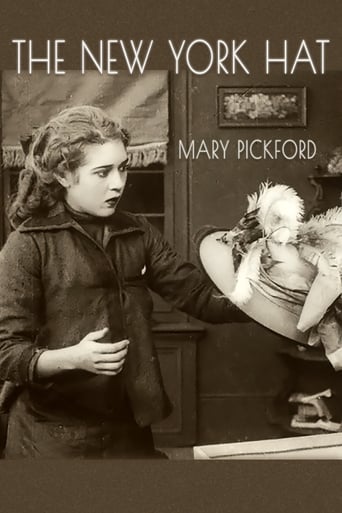
Titles linked here include The New York Hat (1912), The Man from Home (1914).
When was Jack Pickford born and when did he die?
Born August 18, 1896; died January 3, 1933.
What awards did Jack Pickford win?
Jack Pickford did not receive any major film awards during his lifetime, though he was honored posthumously with a star on the Hollywood Walk of Fame at 6280 Hollywood Boulevard for his contributions to motion pictures. His recognition came primarily from his popularity as a leading man during the silent era rather than formal accolades.
What was Jack Pickford's acting style?
Jack Pickford was known for his naturalistic acting style that emphasized boyish charm and emotional sincerity, contrasting with the exaggerated gestures common in silent films. He specialized in romantic leads, bringing a subtle vulnerability to his performances that made him particularly popular with audiences. His approach helped pave the way for more realistic acting techniques in cinema.
How was Jack Pickford related to Mary Pickford?
Jack Pickford was the younger brother of Mary Pickford, one of silent cinema's biggest stars. Born John Smith Pickford, he was part of the Pickford acting dynasty that included their sister Lottie Pickford. While Mary became known as 'America's Sweetheart,' Jack carved out his own career as a leading man, though he often lived in his sister's shadow.
What happened to Jack Pickford's wife Olive Thomas?
Olive Thomas, Jack Pickford's first wife, died tragically on September 10, 1920, in Paris at age 25. She accidentally consumed mercury bichloride, believing it to be sleeping medication or cocaine. Her death became one of early Hollywood's biggest scandals and haunted Pickford for the rest of his life, contributing to his worsening substance abuse problems.