A Dash Through the Clouds
"Aviation enthusiast Josephine rescues her suitor"
Keys: Space play/pause · ←/→ 10s · F fullscreen · M mute · </> speed
About this film
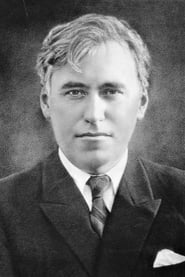
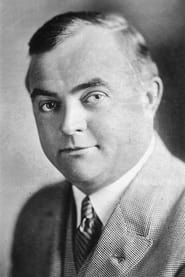
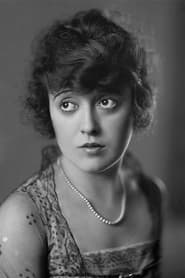
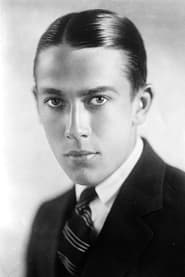
short American silent comedy film directed by Mack Sennett, written by Dell Henderson and starring Mabel Normand. It has the distinction of being somewhat of an aviation film as Sennett employed the services of real life aviation pioneer, Philip Parmelee, a pilot for the Wright Brothers.
Cast & crew
More films like this
More from Mack Sennett
View all →

More about this film
About the production
Release dateOctober 1912
Box officeUnknown - box office records from this period are scarce
ProductionKeystone Studios
Filmed inCalifornia, Likely Keystone Studios property in Los Angeles area
This film was notable for featuring actual airplane footage at a time when aviation was still extremely new and dangerous. The production likely faced significant challenges in coordinating the aircraft with the ground action, and the use of real planes rather than models or special effects was quite innovative for 1912.
Themes
Themes & topics
Historical background
Contemporary records classify A Dash Through the Clouds (1912) as 1912 american film, placing it within the silent era before feature-length dominance.
Why this film matters
A Dash Through the Clouds (1912) helps trace genre evolution, performer careers, and the material conditions of silent exhibition.
Making of
The production of 'A Dash Through the Clouds' represented a significant technical challenge for 1912. Filming with actual airplanes required careful coordination between the ground crew and the pilot. The camera equipment of the era was bulky and difficult to maneuver, making aerial shots particularly difficult. Phillip Parmalee, who played Slim, was not just an actor but a genuine aviation pioneer who had worked directly with Orville and Wilbur Wright. His expertise likely proved invaluable during filming. The mob scenes would have been choreographed with the exaggerated physical comedy style that Sennett was developing, though the Keystone Kops as a formal group had not yet been established. The film was shot on location in California, taking advantage of the clear weather and open spaces needed for aviation sequences.
What critics said
Where contemporary reviews survive, A Dash Through the Clouds is discussed in terms of audience appeal at release; later criticism often reframes it through archive restoration and festival programming.
Did you know?
- This film was released just 9 years after the Wright brothers' first flight in 1903, making aviation a cutting-edge and dangerous subject for cinema
- Mack Sennett would later become known as 'The King of Comedy' for his work at Keystone Studios
- Mabel Normand was one of the few women in early cinema to achieve stardom and later became a director herself
- The film was part of Keystone's early output before they developed their famous 'Keystone Kops' comedy formula
- Aviation films were extremely rare in 1912, making this one of the earliest examples of the genre
- Phillip Parmalee was actually a real aviation pioneer who worked with the Wright brothers before appearing in films
- The airplane used in the film was likely a Wright Model B or similar aircraft of the period
- This film predates most feature-length films, as most movies in 1912 were still short subjects
- The mob scene likely utilized the same actors who would later become the Keystone Kops
- The film was released during the same year as the Titanic disaster, when public fascination with technology and transportation was at its peak
Awards & recognition
- No awards were given for this film - formal film awards did not exist in 1912
Visual style
The cinematography in 'A Dash Through the Clouds' was ambitious for its time, attempting to capture both ground action and aerial sequences. The camera work would have been done with hand-cranked cameras, requiring careful coordination during the airplane scenes. The film likely used static shots for the ground sequences, with more dynamic camera work for the aviation portions. The lighting would have been natural, as most filming was done outdoors. The mob scenes would have been shot in wide shots to capture the chaos and physical comedy. The aerial sequences, while limited by the technology of the time, represented an early attempt at what would later become aerial cinematography.
Innovations
The primary technical achievement of 'A Dash Through the Clouds' was its successful integration of actual airplane footage into a narrative film. In 1912, filming with aircraft was extremely challenging due to the size and weight of cameras, the instability of early aircraft, and the dangers involved. The film represents an early example of what would become action cinema, using real vehicles rather than models or special effects. The coordination between ground action and aerial sequences demonstrated an understanding of film editing and continuity that was still developing in the early 1910s. The use of a real aviation pioneer (Phillip Parmalee) added authenticity to the aviation sequences.
Music
As a silent film, 'A Dash Through the Clouds' would have been accompanied by live music during theatrical screenings. The typical accompaniment would have been a pianist or small theater orchestra playing appropriate music for the action - tense music for the mob scenes, triumphant themes for the rescue, and perhaps soaring melodies for the airplane sequences. The specific musical selections would have been left to the individual theater's musical director, though some studios provided musical cue sheets with suggestions. No original score was composed for the film, as was standard practice for the era.
Famous quotes
As a silent film, there are no recorded lines of dialogue. Any 'quotes' would be from intertitles, but specific intertitle text from this 1912 film has not been preserved in available records.
Memorable scenes
- The climactic rescue sequence where Slim's airplane is used to save Chubby from the angry mob, representing one of the earliest examples of aerial action in cinema and showcasing the public's fascination with aviation while delivering the physical comedy that would become Mack Sennett's signature style.
What audiences thought
Audiences in 1912 would have been thrilled by the sight of actual airplanes on screen, as most people had never seen an aircraft in person. The combination of aerial spectacle with comedy would have made this a popular short subject. The novelty of flight, combined with the growing popularity of movie-going, likely made this film successful in theaters. The physical comedy and mob scenes would have appealed to the working-class audiences that were becoming the primary demographic for motion pictures. The film's relatively short running time (typical of the era) made it ideal for the varied programs that theaters presented in 1912.
Film connections
Influenced by
- Early French comedies
- Chase films of the nickelodeon era
- Actual aviation footage and newsreels
This film influenced
- Later aviation comedies
- Keystone Studios chase films
- The development of action-comedy as a genre
Film restoration
The preservation status of 'A Dash Through the Clouds' is uncertain. Many films from this period, particularly Keystone shorts, have been lost due to the decomposition of nitrate film and the lack of systematic preservation efforts in the early 20th century. Some Keystone shorts have survived through archives like the Library of Congress and the Museum of Modern Art, but specific information about this title's survival is not readily available. Film preservationists continue to search for lost films from this era in archives and private collections worldwide.
Where to watch
- As a potentially lost or extremely rare 1912 film, 'A Dash Through the Clouds' is not currently available on commercial streaming platforms or home video. If the film survives, it might be accessible through specialized film archives such as the Library of Congress, the Museum of Modern Art's film collection, or the UCLA Film & Television Archive. Some early films occasionally appear in special screenings at film museums or silent film festivals. The film might also be available through academic film collections or specialized silent film databases if it has been preserved.