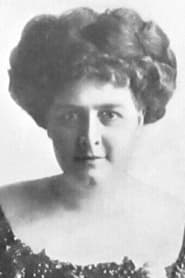
Sylvia Ashton
Actor
Born: January 26, 1880 in Denver, Colorado, USA Died: November 17, 1940 Active: 1912-1928 Birth Name: Sylvia B. Ashton
Films
10 films
About Sylvia Ashton
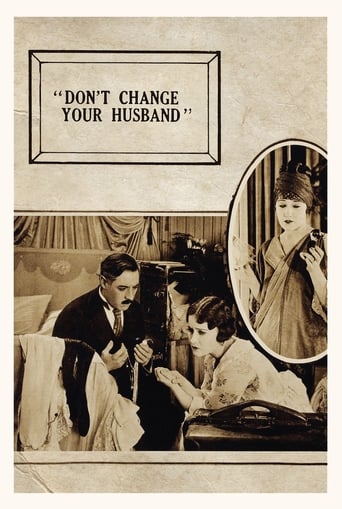
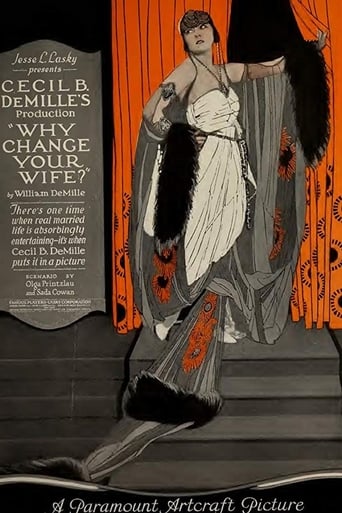
prolific American character actress of the silent film era — known for her distinctive matronly roles and commanding screen presence. Beginning her career in 1912 with D.W. Griffith at Biograph Studios, she quickly established herself as a reliable supporting actress who could portray both stern authority figures and compassionate mothers. Ashton worked extensively with director Cecil B. DeMille, appearing in several of his successful marital comedies of the late 1910s, including 'Don't Change Your Husband' (1919) and 'Why Change Your Wife?' (1920). Her career peaked during the early 1920s when she appeared in numerous feature films for major studios like Paramount and Famous Players-Lasky. Unlike many silent stars, Ashton successfully transitioned into sound films, though her roles became smaller and less frequent as the 1920s progressed. She retired from acting in 1928 after appearing in over 80 films, leaving behind a legacy as one of cinema's earliest and most recognizable character actresses. Her ability to convey complex emotions through subtle gestures and facial expressions made her particularly valuable during the silent era.
The Craft
On Screen
Ashton was known for her naturalistic acting style that emphasized subtle facial expressions and restrained gestures, making her particularly effective in portraying complex maternal figures and stern authority figures. Her performances were characterized by a remarkable ability to convey deep emotion without melodramatic excess, a quality that made her especially valuable in the silent era where facial expression was paramount. She had a distinctive screen presence that combined warmth with authority, allowing her to play both sympathetic and antagonistic characters with equal conviction.
Milestones
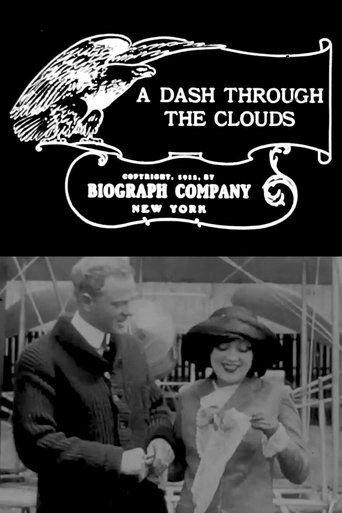
- Film debut in D.W. Griffith's 'A Dash Through the Clouds' (1912)
- Regular collaborator with Cecil B. DeMille in his marital comedy series
- Transitioned successfully from shorts to feature films
- Appeared in over 80 films during her 16-year career
- Successful transition to early sound films before retirement
Best Known For
Iconic Roles
Must-See Films
Accolades
Special Recognition
- character actress of American cinema
- Contributor to early Hollywood's golden age
Working Relationships
Worked Often With
Studios
Why They Matter
Impact on Culture
Sylvia Ashton played a significant role in establishing the archetype of the character actress in American cinema, helping to create a space for mature women in an industry that primarily focused on youthful romantic leads. Her work in Cecil B. DeMille's sophisticated marital comedies contributed to the development of the adult-oriented comedy genre that would become a staple of Hollywood cinema. Ashton's ability to portray complex maternal relationships on screen helped normalize more nuanced family dynamics in American films, moving away from the simplistic characterizations common in early cinema.
Lasting Legacy
Sylvia Ashton's legacy lies in her work as one of Hollywood's first dedicated character actresses, demonstrating that mature actresses could find steady employment and artistic fulfillment in supporting roles. Her filmography serves as a valuable record of the evolution of American cinema from shorts to feature films and from the silent era to early sound. Ashton's professional approach to her craft and her ability to adapt to changing technologies set a standard for future generations of character actors. Today, film historians recognize her as an important contributor to the Golden Age of Hollywood's foundation.
Who They Inspired
Ashton influenced subsequent generations of character actresses by demonstrating the artistic and commercial value of mature female performers in cinema. Her naturalistic acting style, which avoided the exaggerated gestures common in early silent films, helped pave the way for more realistic performances in American cinema. Younger actresses studying her films learned how to convey complex emotions through subtle means, a skill that became increasingly valuable as cinema evolved toward more sophisticated storytelling.
Off Screen
Sylvia Ashton was born into a middle-class family in Denver and moved to California as a young woman to pursue her acting career. She married early in her career to fellow actor Edward Jobson, though the marriage ended in divorce. Ashton never had children and devoted herself entirely to her craft, becoming known as one of Hollywood's most professional and reliable character actresses. After retiring from films in 1928, she lived a quiet life in Los Angeles, occasionally appearing in local theater productions. She passed away in 1940 at the age of 60 after a brief illness.
Education
Attended public schools in Denver, Colorado; later studied drama at local theater companies before moving to Hollywood
Family
- Edward Jobson (1913-1918)
Did You Know?
- Was discovered by D.W. Griffith while performing in stage productions in Los Angeles
- Stood only 5'2" tall but commanded attention through her powerful screen presence
- Often played characters much older than her actual age, sometimes by 20+ years
- Was one of the few silent-era actresses who successfully made the transition to sound films
- Never received top billing but was consistently employed throughout her career
- Was known for her professionalism and reliability, always arriving on set prepared
- Appeared in films with three of the biggest silent stars: Gloria Swanson, Mary Pickford, and Douglas Fairbanks
- Her final film appearance was in 'The Actress' (1928) starring Norma Shearer
- Was a founding member of the Motion Picture Relief Fund, which helped actors in need
- Retired at age 48 to care for her ailing mother
In Their Own Words
In the silent pictures, your face had to do all the talking. Every expression counted, every glance had meaning.
Being a character actress meant you could work forever. The leading ladies came and went, but mothers and mothers-in-law were always needed.
I never wanted to be a star. I wanted to be an actress, and there's a world of difference between the two.
Frequently Asked Questions
Who was Sylvia Ashton?
Prolific American character actress of the silent film era, best known for her matronly roles in films by on YTB.my. DeMille. She appeared in over 80 films between 1912 and 1928, establishing herself as one of Hollywood's first dedicated character actresses.
What films is Sylvia Ashton best known for?
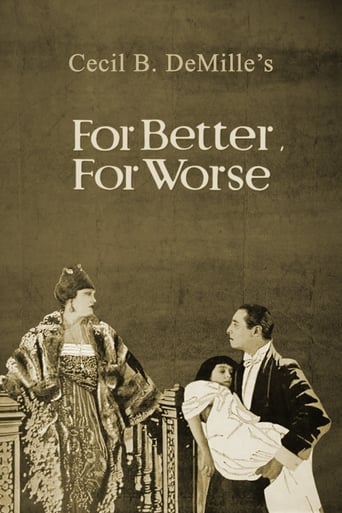
Titles linked here include Don't Change Your Husband (1919), For Better, for Worse (1919).
When was Sylvia Ashton born and when did she die?
Born January 26, 1880; died November 17, 1940.
What awards did Sylvia Ashton win?
Sylvia Ashton did not receive any major formal awards during her career, as many of the industry honors like the Academy Awards were not established until later in her career. However, she was recognized as a character actress who contributed significantly to early Hollywood cinema.
What was Sylvia Ashton's acting style?
Ashton was known for her naturalistic acting style that emphasized subtle facial expressions and restrained gestures, making her particularly effective in the silent era. She specialized in portraying complex maternal figures and authority figures with a distinctive screen presence that combined warmth with authority.