
For Better, for Worse
"Two doctors, one woman, wartime vows"
Keys: Space play/pause · ←/→ 10s · F fullscreen · M mute · </> speed
About this film
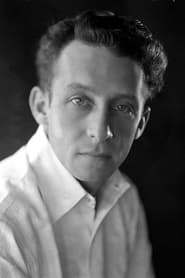
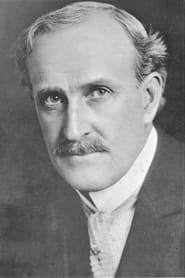
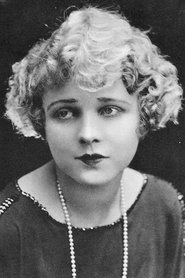
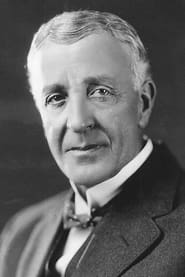
Dr. Edward Meade and friend Richard Burton both love Sylvia Norcross. Both enlist in the military, but Meade stays back to care for deformed children. Sylvia thinks him a coward and marries Burton. After Burton is presumed dead, Meade and Sylvia are to wed, but Burton returns mai.
Cast & crew
More films like this
More Drama films
View all →







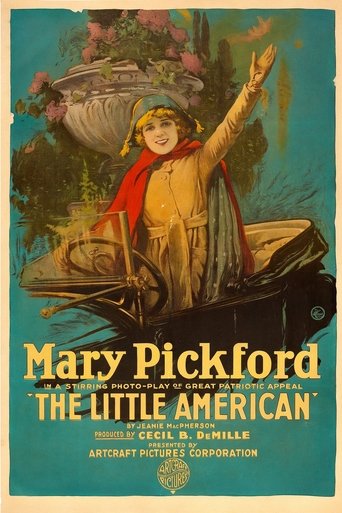
More from Cecil B. DeMille
View all →
More about this film
About the production
Release dateJune 15, 1919
Box officeThe film was a commercial success, though exact figures are not documented
ProductionFamous Players-Lasky Corporation, Artcraft Pictures Corporation
Filmed inLos Angeles, California, Paramount Studios
This was one of Cecil B. DeMille's early melodramas that showcased his signature style of combining moral dilemmas with visual spectacle. The film featured elaborate sets and costumes typical of DeMille productions. The war scenes were particularly ambitious for the time, requiring extensive coordination of extras and special effects. The makeup effects for Tom Forman's character transformation were considered groundbreaking for 1919.
Themes
Sacrifice and dutyThe true nature of heroismLove and loyaltyPhysical and emotional scars of warSocial responsibility
Themes & topics
World War Idisabled veteranlove triangledoctormilitarydisfigurementsacrificepresumed deadmedical dramamelodrama
Historical background
For Better, for Worse reached screens in 1919 from Famous Players-Lasky Corporation, when exhibitors still paired shorts and features in mixed programs.
Why this film matters
Students of early cinema study For Better, for Worse as an example of 1919 treatment of dr.
Making of
Cecil B. DeMille was known for his hands-on approach to filmmaking, and 'For Better, for Worse' was no exception. He personally supervised every aspect of production, from script development to final editing. The film was shot at Paramount Studios in Los Angeles, where DeMille had access to some of the most sophisticated production facilities of the era. The makeup effects for Tom Forman's character transformation were particularly challenging and time-consuming, requiring hours of application each day. The film's hospital scenes were shot with actual medical consultants to ensure authenticity. DeMille insisted on using real disabled children in certain sequences, which was unusual for the time but added powerful emotional impact to the story.
What critics said
Contemporary journalism left scarce detail on For Better, for Worse, leaving later critics to infer its 1919 reception.
Did you know?
- This film was one of Gloria Swanson's early starring roles before she became a major silent film star
- Cecil B. DeMille was known for his meticulous attention to detail and personally supervised the makeup effects for the disfigured characters
- The film's theme of dealing with wounded veterans was particularly relevant in 1919 as America was dealing with thousands of returning WWI soldiers with physical and psychological trauma
- Elliott Dexter was one of DeMille's favorite leading men, appearing in multiple films for the director
- The original story was written by Jeanie MacPherson, DeMille's frequent collaborator who wrote many of his most successful films
- The film was considered quite daring for its time in its portrayal of physical disability and its impact on relationships
- Tom Forman, who played the disfigured veteran, would later become a director himself
- The film was shot during the Spanish Flu pandemic, making production challenging
- DeMille used real disabled children in some scenes to add authenticity to the hospital sequences
- The film's success helped establish Gloria Swanson as a bankable leading lady
Awards & recognition
- No major awards were given for this film in 1919, as the first Academy Awards would not be presented until 1929
Visual style
The cinematography by Alvin Wyckoff employed the sophisticated lighting techniques that were becoming characteristic of DeMille productions. The film used dramatic contrast between light and shadow to emphasize the emotional states of the characters, particularly in the hospital scenes. The battle sequences were shot with a sense of realism that was unusual for the time, using multiple cameras to capture different angles of the action. The makeup effects on Tom Forman's character were carefully lit to maximize their impact without being overly grotesque. The film's visual style helped establish the dramatic tone and emotional weight of the story.
Innovations
The film was notable for its advanced makeup effects, particularly the transformation of Tom Forman's character from a handsome soldier to a disfigured veteran. The prosthetic work was considered groundbreaking for 1919 and influenced subsequent films dealing with similar themes. The battle sequences employed innovative camera techniques and editing to create a sense of realism and chaos. The film also featured sophisticated set design, with the hospital sets being particularly detailed and realistic. The lighting techniques used to create emotional atmospheres were ahead of their time and influenced the development of film noir in later decades.
Music
As a silent film, 'For Better, for Worse' would have been accompanied by live musical performances in theaters. The original score was composed by William Furst, who was especially prolific film composers of the silent era. The music would have been performed by theater orchestras, with cue sheets provided to guide the musicians through the emotional journey of the film. The score likely featured dramatic themes for the war scenes, romantic motifs for the love story, and somber music for the hospital sequences. Unfortunately, no recordings of the original score survive.
Famous quotes
'A man's duty is not always to the flag he follows, but to the humanity he serves.' - Dr. Edward Meade
'You see only the surface, Sylvia. You cannot see the wounds that never heal.' - Richard Burton
'Love is not just for the perfect and the whole, but for the broken and the suffering.' - Dr. Edward Meade
Memorable scenes
- The dramatic reveal of Burton's disfigurement when he returns home, a scene that shocked audiences with its realistic makeup effects and emotional intensity. The sequence begins with Sylvia's joy at Burton's return, which quickly turns to horror and pity as she sees the extent of his injuries, creating a powerful moment of moral and emotional conflict.
What audiences thought
The film was well-received by audiences in 1919, who found its themes of sacrifice and redemption particularly moving in the post-war period. The emotional story resonated with viewers who had experienced the war's impact personally or through loved ones. Gloria Swanson's growing popularity helped draw audiences to theaters, and the film's dramatic tension and moral complexity kept viewers engaged. The movie was considered a box office success, though exact figures are not documented. Audience reaction to the film's depiction of disability was largely positive, with many finding it eye-opening and sympathetic.
Film connections
Influenced by
- The film was influenced by contemporary literature about World War I and its aftermath
- DeMille's own religious and moral background influenced the film's themes
- The growing American interest in social issues after the war
This film influenced
- The film's treatment of disabled veterans influenced later war films including 'The Best Years of Our Lives' (1946)
- DeMille's melodramatic style influenced many subsequent Hollywood directors
Film restoration
The film is considered partially lost. Only fragments and reels of the film survive, held in various film archives including the Library of Congress and the Museum of Modern Art. Some key sequences, including the dramatic ending, are missing from surviving prints. The existing footage has been preserved on safety film and occasionally screened at film festivals and special screenings of silent cinema.
Where to watch
- Due to its partial lost status, the film is not commercially available. Surviving fragments can sometimes be viewed at film archives specializing in silent cinema, including the Library of Congress and the Museum of Modern Art. Occasionally, film festivals featuring restored silent films will screen the surviving portions.