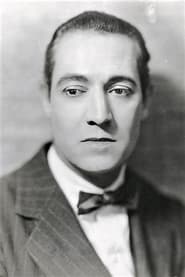
Elliott Dexter
Actor
Born: March 29, 1870 in Galveston, Texas, USA Died: June 21, 1941 Active: 1915-1921 (films), 1890s-1930s (theater)
Films
8 films
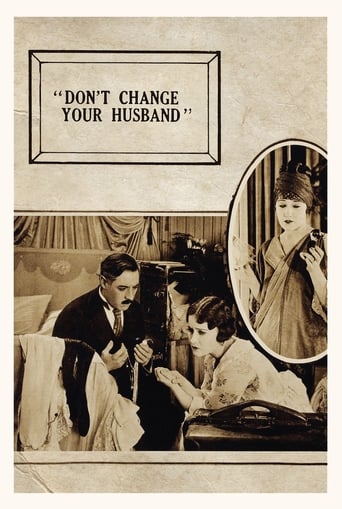
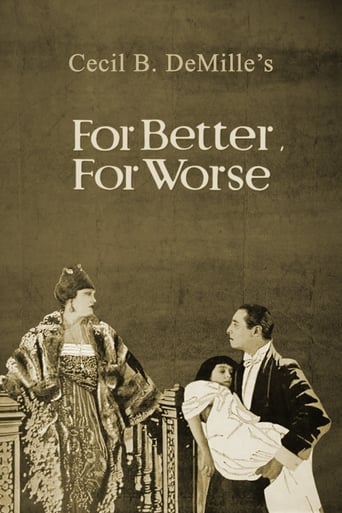
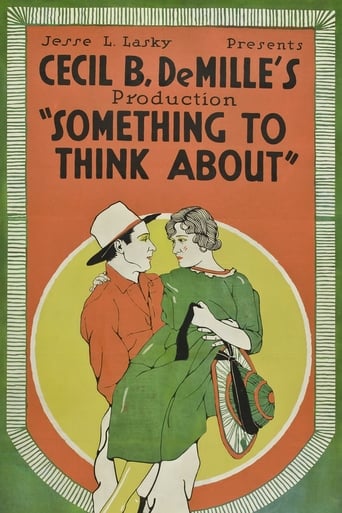
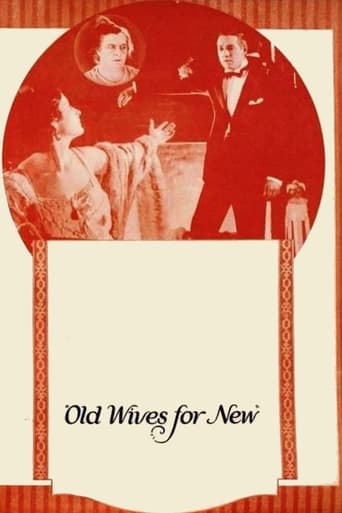
About Elliott Dexter
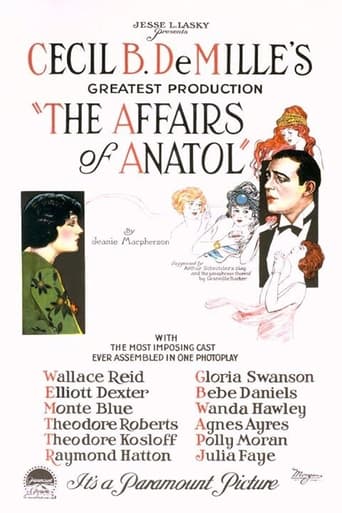
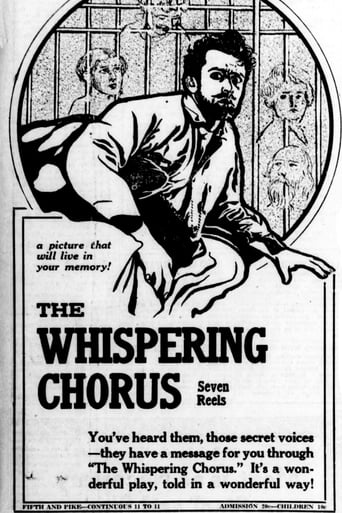
Prominent American silent film actor who rose to stardom in the late 1910s as one of Cecil B. DeMille's favored leading men. Beginning his career on the stage, Dexter transitioned to films in 1915 and quickly established himself as a sophisticated romantic lead, often playing the 'other man' in romantic triangles opposite stars like Gloria Swanson. His collaboration with DeMille produced some of the most significant films of the late silent period, including 'The Whispering Chorus' and 'Don't Change Your Husband.' Dexter was particularly known for his refined, gentlemanly demeanor and his ability to convey complex emotions through subtle facial expressions, a skill highly valued in silent cinema. Despite his popularity, his film career was relatively brief, spanning primarily from 1915 to 1921, after which he returned to his first love, the theater. His performances helped define the archetype of the sophisticated leading man during the transition from the 1910s to the 1920s, influencing how romantic leads would be portrayed in American cinema.
The Craft
On Screen
Dexter was known for his refined, understated acting style that emphasized subtlety and restraint. Unlike many of his contemporaries who employed broad, theatrical gestures, Dexter favored a more naturalistic approach that relied on nuanced facial expressions and controlled body language. His performances were characterized by a dignified, gentlemanly demeanor and an ability to convey complex emotional states through minimal movement. This sophisticated style made him particularly effective in romantic dramas and social comedies, where his restrained approach contrasted effectively with more expressive co-stars.
Milestones
- Stage debut in the 1890s
- Transition to films in 1915
- Became Cecil B. DeMille's preferred leading man
- Starred in multiple films with Gloria Swanson
- Successful return to theater after film career
Best Known For
Iconic Roles
Must-See Films
Accolades
Special Recognition
- Star on the Hollywood Walk of Fame (for contributions to motion pictures)
Working Relationships
Worked Often With
Studios
Why They Matter
Impact on Culture
Elliott Dexter played a significant role in shaping the archetype of the sophisticated leading man during the transitional period of American cinema. His collaboration with Cecil B. DeMille helped establish the visual language of romantic drama in silent film, particularly in how male leads were portrayed in relation to increasingly independent female characters. Dexter's refined acting style represented a move away from the exaggerated theatricality of early cinema toward more naturalistic performance methods that would become standard in later years. His work with Gloria Swanson in particular helped create some of the most memorable romantic dynamics of the silent era, influencing how on-screen chemistry was developed and portrayed.
Lasting Legacy
Elliott Dexter's legacy lies in his contribution to the development of naturalistic acting in silent cinema and his role in establishing the sophisticated leading man archetype. Though his film career was relatively brief, his performances in DeMille's films remain significant examples of late silent era acting at its most refined. His successful transition back to theater after his film career demonstrated the versatility of actors who could master both mediums. Today, film historians recognize Dexter as an important figure who helped bridge the gap between 19th-century theatrical traditions and 20th-century film performance techniques, particularly in the realm of romantic drama.
Who They Inspired
Dexter influenced subsequent generations of actors through his demonstration that subtlety and restraint could be more powerful than exaggerated gestures on screen. His work with Cecil B. DeMille helped establish new standards for romantic leading men in Hollywood, emphasizing sophistication and emotional complexity over simple heroism. Younger actors transitioning from stage to film in the 1920s looked to performers like Dexter as models for how to adapt theatrical techniques to the intimate medium of cinema. His collaborations with strong female co-stars also helped establish new paradigms for gender dynamics in romantic films.
Off Screen
Elliott Dexter was married twice during his lifetime. His first marriage was to actress Marie Drofnah, which ended in divorce. He later married actress Marion Foote, with whom he remained until his death. Unlike many Hollywood figures of his era, Dexter maintained a relatively private personal life, avoiding scandal and focusing on his craft. He was known as a serious, dedicated actor who preferred the intellectual challenges of both stage and screen work over the social aspects of fame.
Education
Educated in Galveston, Texas; later studied dramatic arts in New York City
Family
- Marie Drofnah (1900-1910)
- Marion Foote (1912-1941)
Did You Know?
- Was a stage actor for over 20 years before entering films
- Was one of Cecil B. DeMille's favorite leading men
- Often played characters who were the 'other man' in romantic triangles
- Retired from films at the height of his popularity to return to theater
- His film active years covered only 6 years but included over 30 films
- Was particularly popular with female audiences for his sophisticated demeanor
- Worked with many of the biggest female stars of the silent era
- His stage background contributed to his reputation for professionalism on set
- Was known for his meticulous preparation for roles
- His understated acting style was considered ahead of its time
In Their Own Words
The stage teaches you discipline that the camera cannot provide
In silence, the smallest gesture speaks volumes
Romance is not in the grand declarations but in the quiet moments between them
Frequently Asked Questions
Who was Elliott Dexter?
Prominent American silent film with credits in this catalog. DeMille's favorite leading men in the late 1910s. He was known for his sophisticated, understated acting style and often played romantic leads opposite stars like Gloria Swanson.
What films is Elliott Dexter best known for?
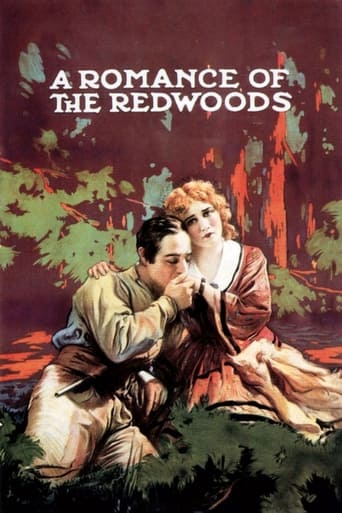
Titles linked here include A Romance of the Redwoods (1917), The Whispering Chorus (1918).
When was Elliott Dexter born and when did he die?
Born March 29, 1870; died June 21, 1941.
What awards did Elliott Dexter win?
While Elliott Dexter did not win major film awards during his career era, he received a star on the Hollywood Walk of Fame for his contributions to motion pictures. His recognition came primarily from his popularity with audiences and critical acclaim for his performances.
What was Elliott Dexter's acting style?
Dexter was known for his refined, understated acting style that emphasized subtlety and naturalism over the broad gestures common in early cinema. His approach relied on nuanced facial expressions and controlled body language, making him particularly effective in sophisticated romantic dramas.