
Something to Think About
"1920 film by Cecil B. DeMille"
Keys: Space play/pause · ←/→ 10s · F fullscreen · M mute · </> speed
About this film
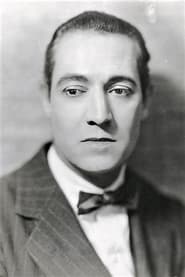
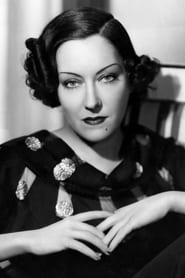
Elliott Dexter and Gloria Swanson. Art direction for the film was done by Wilfred Buckland and art titles were done by Ferdinand Burgdorff.
Cast & crew
More films like this
More Drama films
View all →







More from Cecil B. DeMille
View all →
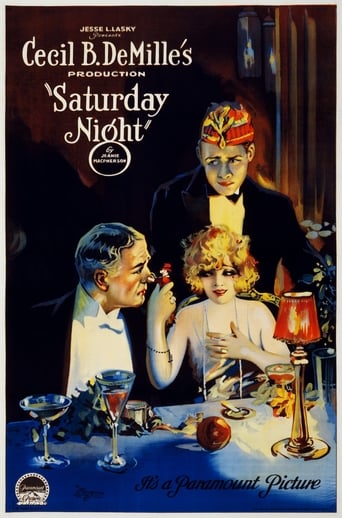
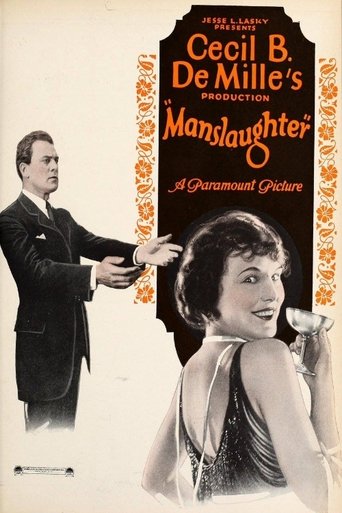
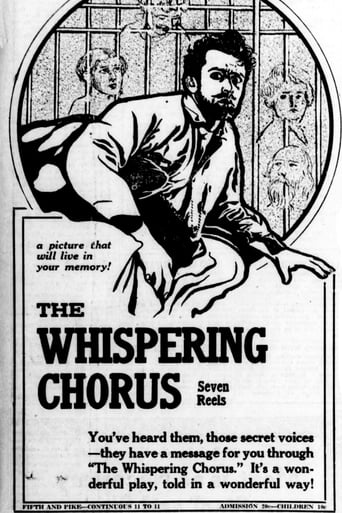
More about this film
About the production
Release dateJanuary 1920
ProductionFamous Players-Lasky Corporation, Paramount Pictures
Filmed inParamount Studios, Hollywood, California
This film was one of several collaborations between Cecil B. DeMille and Gloria Swanson during the early 1920s, a period when Swanson was becoming one of Hollywood's biggest stars. The production utilized elaborate sets typical of DeMille's style, including detailed reproductions of both small-town New England and urban environments. The film was shot during the transition period when Hollywood was establishing itself as the center of American film production.
Themes
Sacrifice and redemptionSocial class divisionsTraditional values versus modernityFemale independence and choiceMoral responsibility
Themes & topics
disabled protagonistillegitimate childsmall townsocial classsacrificeredemptiontragedymoral dilemmaunrequited lovesubway accident
Historical background
Something to Think About (1920) circulated in the silent era. The film stars Elliott Dexter and Gloria Swanson. Contemporary trade papers and later preservation notes document its place among nickelodeon and cinema-club programs.
Why this film matters
Something to Think About remains accessible to researchers and viewers as a screen title in museum, archive, and streaming collections. Programmers cite it when tracing regional production history and surviving early prints.
Making of
Cecil B. DeMille was known for his meticulous attention to detail and demanding directing style during this period. For 'Something to Think About,' he insisted on authentic period costumes and props to create the small-town New England atmosphere. Gloria Swanson, who was still establishing herself as a leading lady, worked closely with DeMille to develop her character's emotional arc. The film's production took place during a transitional period in Hollywood when studios were beginning to consolidate power and create the star system that would dominate the industry. The subway accident sequence required careful planning and miniatures, as actual subway filming was not feasible. DeMille's brother William, who wrote the original story, frequently collaborated with him on projects that explored moral and ethical dilemmas.
What critics said
Day-one reviews for Something to Think About are sparse in digitized press archives; later criticism treats it as a reference point for 1920 cinema programming and preservation.
Did you know?
- This was one of Gloria Swanson's early starring roles before she became Paramount's biggest star of the 1920s
- Elliott Dexter, who played the wealthy cripple, was actually a popular leading man of the era but was nearing the end of his film career
- The film's themes of sacrifice and redemption were characteristic of Cecil B. DeMille's moralistic storytelling approach
- Monte Blue, who played Jim Dirk, would later become a major star in Western films during the sound era
- The subway accident scene was considered particularly realistic for its time and used innovative special effects techniques
- The film was adapted from a story by William C. deMille, Cecil's brother
- This was one of the first films to deal with the topic of illegitimate pregnancy in a relatively sympathetic manner
- The production coincided with the beginning of Prohibition in the United States, though this isn't referenced in the film
- Gloria Swanson reportedly wore over 20 different costume changes throughout the film, showcasing her character's transformation
- The film's title was considered somewhat unusual for a melodrama, reflecting DeMille's tendency to use thought-provoking titles
Visual style
The cinematography by Alvin Wyckoff utilized the sophisticated lighting techniques that were becoming standard in Hollywood productions by 1920. The film employed dramatic contrast between the warm, intimate lighting of small-town scenes and the harsher, more dynamic lighting of urban sequences. Wyckoff used innovative camera movements for the time, including tracking shots during emotional scenes to enhance their impact. The visual style reflected DeMille's preference for composition that told stories through images as much as through intertitles. The subway accident sequence featured particularly ambitious cinematography that created a sense of chaos and danger through rapid editing and dynamic camera angles.
Innovations
The film featured innovative special effects for the subway accident sequence, using miniatures and careful editing to create a convincing disaster scene. The production utilized advanced makeup techniques for Elliott Dexter's character transformation, creating realistic effects for his physical disability. The film's intertitles were particularly well-crafted, reflecting DeMille's attention to written as well as visual storytelling. The set design by Wilfred Buckland was notable for its attention to period detail and its ability to contrast small-town and urban environments. The film's editing rhythm was considered sophisticated for its time, particularly in its handling of emotional transitions between characters.
Music
As a silent film, 'Something to Think About' would have been accompanied by live musical performance during its theatrical run. Typical scores for DeMille dramas of this period included classical pieces adapted to match the emotional tone of scenes, with popular songs of the era used for romantic moments. The film's cue sheets, which suggested appropriate music for theater organists or orchestras, emphasized dramatic themes during key emotional moments. The musical accompaniment would have been crucial in conveying the film's emotional depth, particularly during scenes of sacrifice and redemption. Paramount Pictures often provided detailed musical recommendations to ensure consistent presentation across different theaters.
Famous quotes
Sometimes the greatest love is shown in sacrifice, not possession.
A good name is better than riches, but a good heart is better than both.
In the end, we must all answer for the choices we make.
True wealth lies not in what we have, but in what we give.
Memorable scenes
- The emotional climax where Markley offers to marry Ruth to protect her reputation, demonstrating his selfless love despite her rejection of him earlier.
- The dramatic subway accident sequence that kills Jim Dirk, featuring innovative special effects for the time.
- The opening scenes establishing Markley's wealth and physical disability, setting up the central character contrast.
- Ruth's return from the city, transformed by education and exposure to urban life, creating the story's central conflict.
- The final scene showing Markley, Ruth, and the child as a family, fulfilling the film's themes of redemption and unconventional family structures.
What audiences thought
The film was well-received by audiences in 1920, particularly among women who connected with Ruth's struggle between societal expectations and personal desires. Box office reports indicated strong performance in urban areas where the themes of modernity versus tradition resonated strongly. The emotional climax and Markley's act of self-sacrifice were particularly praised by viewers of the era. Audience letters published in trade papers of the time frequently mentioned how the film 'gave them something to think about,' suggesting the title was effective in its purpose. The movie helped solidify Gloria Swanson's popularity and demonstrated the commercial viability of serious dramatic subjects during the early 1920s.
Film connections
Influenced by
- Victorian melodrama
- 19th century literature
- Biblical stories of sacrifice
- Contemporary social issue plays
- DeMille's previous moralistic films
This film influenced
- The Cheat (1923)
- The Golden Bed (1925)
- The Way of All Flesh (1927)
- Madame Satan (1930)
- Various women's melodramas of the 1930s
Film restoration
The film is considered partially preserved with some elements missing. While the complete film may not survive in its entirety, significant portions exist in film archives. The Library of Congress holds some elements of the film, and it has been preserved through various restoration efforts. Like many silent films of the era, nitrate decomposition has affected the original materials, but preservation work has saved key sequences. The film is occasionally screened at silent film festivals and special cinema events, often with live musical accompaniment.
Where to watch
- The film is occasionally available through specialized silent film distributors
- May be viewed at film archives and special screenings
- Some portions may be accessible through university film collections
- Available on rare DVD compilations of DeMille's early work
- Screened periodically at silent film festivals and museum retrospectives