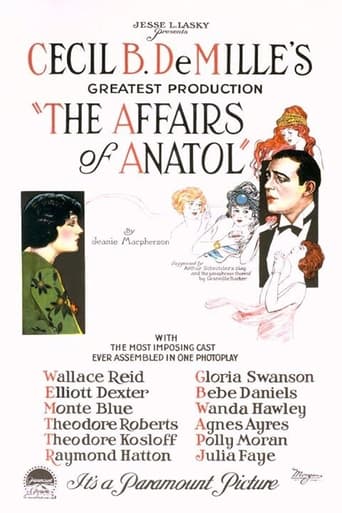

Theodore Kosloff
Actor
Born: January 22, 1882 in Moscow, Russia Died: July 22, 1956 Active: 1915-1937 Birth Name: Fyodor Koslov
Films
6 films
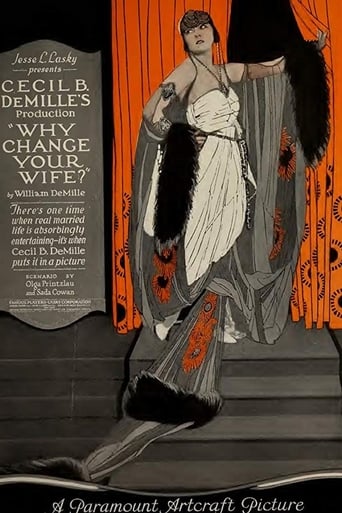
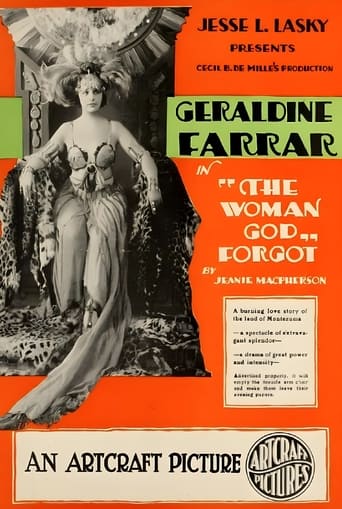
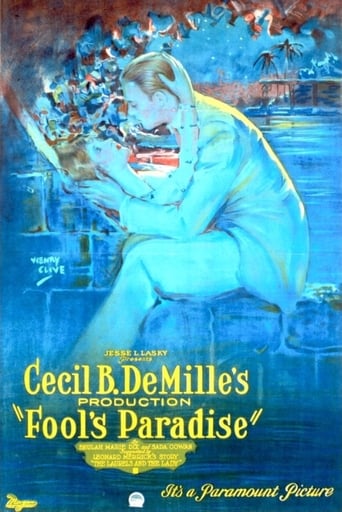
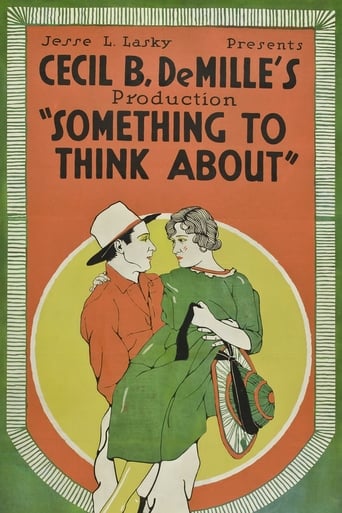
About Theodore Kosloff
Russian-born actor, dancer, and choreographer who became a prominent figure in Hollywood's silent era. Born in Moscow in 1882, he began his career as a ballet dancer with the Imperial Russian Ballet before defecting to the United States during the Russian Revolution. His striking appearance and dance background made him a natural fit for exotic and villainous roles in silent films. Kosloff became a favorite collaborator of director Cecil B. DeMille, appearing in numerous productions throughout the late 1910s and early 1920s. Beyond acting, he served as a choreographer and dance director for major studios, contributing to the visual spectacle of early Hollywood productions. His career declined with the transition to sound films, partly due to his thick Russian accent, but he continued working in the industry in various capacities. Kosloff's legacy lies in his contribution to the visual artistry of silent cinema and his role in bringing European dance sensibilities to American film.
The Craft
On Screen
Kosloff was known for his highly stylized, theatrical acting style that incorporated elements of his classical dance training. His movements were graceful yet menacing, creating an exotic and somewhat threatening presence on screen. He specialized in playing villains, foreign noblemen, and mysterious figures, using his distinctive facial features and intense gaze to great effect. His performances were characterized by grand gestures and dramatic poses that suited the visual storytelling of silent cinema.
Milestones
- Defected from Russia during the Revolution
- Became principal dancer with Diaghilev's Ballets Russes
- Signed contract with Cecil B. DeMille in 1917
- Appeared in over 30 silent films
- Transitioned to choreography work in the 1930s
- Mentored several Hollywood dancers
Best Known For
Iconic Roles
Must-See Films
Accolades
Special Recognition
- Star on Hollywood Walk of Fame (Motion Pictures)
Working Relationships
Worked Often With
Studios
Why They Matter
Impact on Culture
Theodore Kosloff represented the wave of European artistic talent that transformed Hollywood during the silent era. His classical training brought a level of sophistication to film choreography and movement that influenced how actors approached physical performance. As one of the few Russian performers to achieve prominence in early Hollywood, he helped establish the archetype of the exotic European villain that would become a staple of cinema. His work with Cecil B. DeMille contributed to the epic visual style that defined many of DeMille's most famous productions.
Lasting Legacy
Kosloff's lasting legacy lies in his contribution to the visual language of silent cinema and his role in bridging European ballet traditions with American film. While his acting career was relatively brief, his influence on film choreography and movement continued through his teaching and consultation work. He represents an important chapter in Hollywood's internationalization during the 1910s and 1920s, when European artists brought new artistic sensibilities to American cinema. His distinctive screen presence and exotic appeal helped establish character archetypes that would persist throughout film history.
Who They Inspired
Kosloff influenced how movement and dance were incorporated into narrative film, particularly in historical and exotic settings. His work demonstrated how classical dance training could enhance dramatic performance, inspiring future generations of actors to study movement. His collaboration with DeMille helped establish the grand, spectacle-driven style that would become synonymous with Hollywood epics. Many subsequent character actors playing exotic or villainous roles drew inspiration from Kosloff's distinctive screen presence and performance style.
Off Screen
Kosloff was known for his dramatic personal life that rivaled his on-screen personas. He married fellow dancer and actress Natacha Rambova, though their marriage was tumultuous and short-lived. After their divorce, Rambova famously married Rudolph Valentino, creating one of early Hollywood's most talked-about love triangles. Kosloff never remarried and lived a relatively private life in his later years, focusing on teaching dance and occasionally working as a consultant for historical films requiring authentic period choreography.
Education
Trained at the Imperial Ballet School in Moscow under legendary ballet masters
Family
- Natacha Rambova (1916-1918)
Did You Know?
- Was a member of the original Ballets Russes before coming to America
- His real name was Fyodor Koslov but changed it for American audiences
- Taught dance to several Hollywood stars including Pola Negri
- His ex-wife Natacha Rambova became
- Appeared as an uncredited dance consultant on numerous films in the 1930s
- Was known for his elaborate off-screen parties that attracted Hollywood's elite
- Spoke very little English throughout his Hollywood career, relying on interpreters
- His distinctive scar on his left cheek was real, not makeup for film roles
- Maintained a dance studio in Hollywood well into the 1940s
- Was one of the few Russian performers to successfully transition from ballet to film acting
In Their Own Words
In ballet, every movement tells a story. In film, every story must move.
The camera sees what the stage cannot - the truth in the eyes.
I came to America with nothing but my feet and my dreams. Hollywood gave me a stage for both.
Frequently Asked Questions
Who was Theodore Kosloff?
Russian-born with credits in this catalog. He was known for his exotic appearances in Cecil B. DeMille films and his background as a ballet dancer with the Imperial Russian Ballet.
What films is Theodore Kosloff best known for?
Titles linked here include The Woman God Forgot (1917), Why Change Your Wife? (1920).
When was Theodore Kosloff born and when did he die?
Born January 22, 1882; died July 22, 1956.
What awards did Theodore Kosloff win?
While Kosloff did not receive major acting awards during his lifetime, he was honored with a star on the Hollywood Walk of Fame for his contributions to motion pictures.
What was Theodore Kosloff's acting style?
Kosloff's acting style was highly theatrical and incorporated elements of his classical dance training. He specialized in exotic and villainous roles, using grand gestures, dramatic poses, and his distinctive intense gaze to create memorable characters.
Did Theodore Kosloff have any famous relationships?
Yes, Kosloff was briefly married to dancer and actress Natacha Rambova, who later became famous as Rudolph Valentino's wife. Their marriage and divorce were highly publicized in Hollywood.
What happened to Theodore Kosloff's career after silent films?
With the transition to sound films, Kosloff's acting career declined due to his thick Russian accent. He transitioned to working as a choreographer and dance consultant, maintaining a dance studio in Hollywood and working behind the scenes on various film productions.