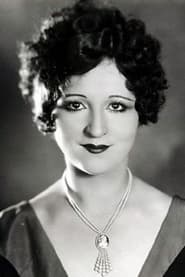
Julia Faye
Actor
Born: September 24, 1892 in Dayton, Virginia, USA Died: April 6, 1966 Active: 1915-1934 Birth Name: Julia Faye Maloney
Films
17 films
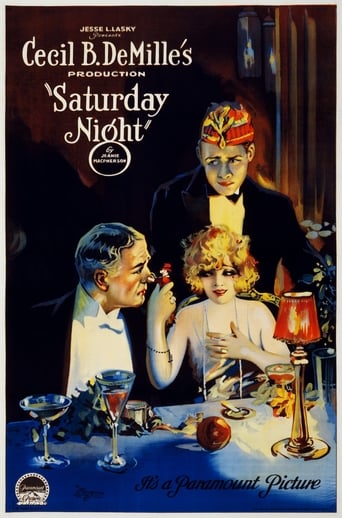
Saturday Night
1922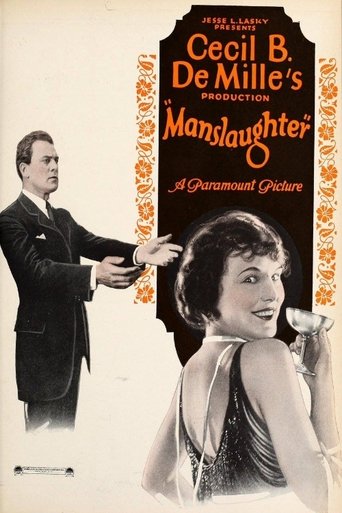
Manslaughter
1922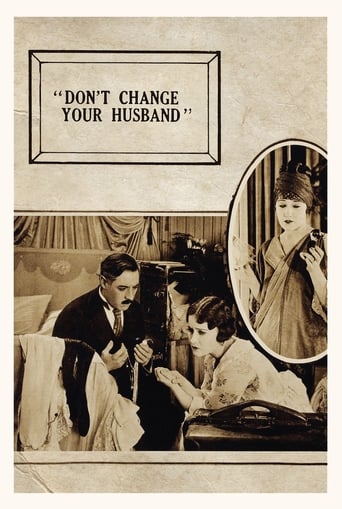
Don't Change Your Husband
1919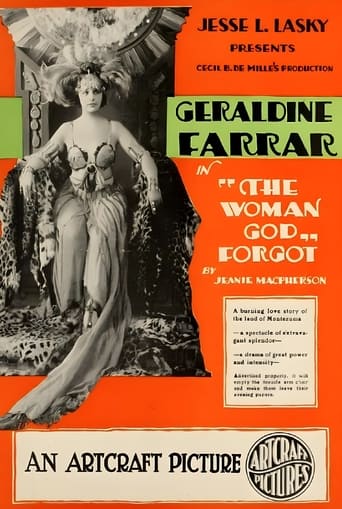
The Woman God Forgot
1917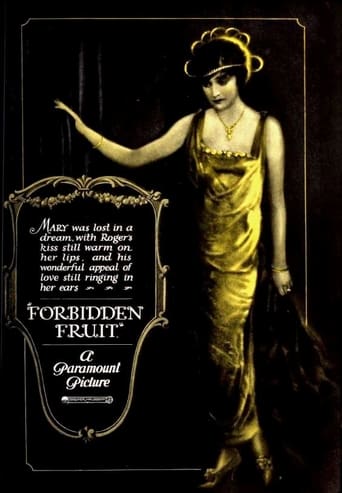
Forbidden Fruit
1921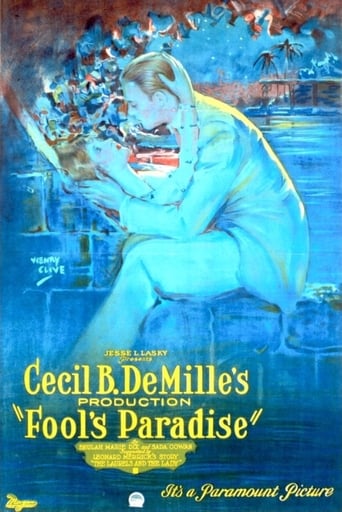
Fool's Paradise
1921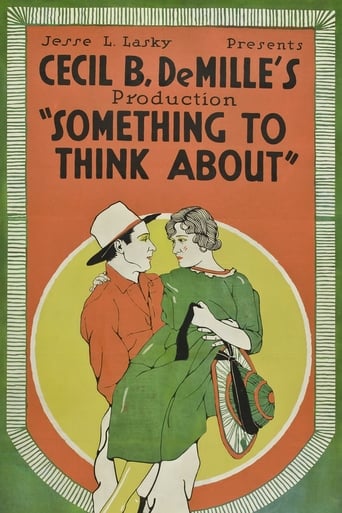
Something to Think About
1920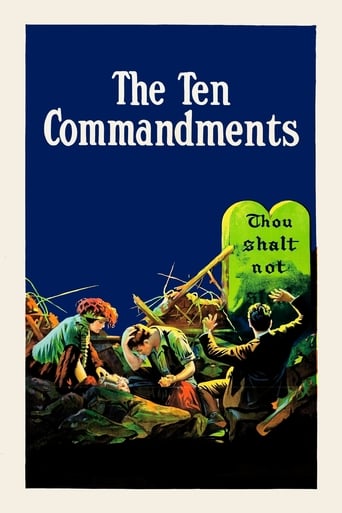
The Ten Commandments
1923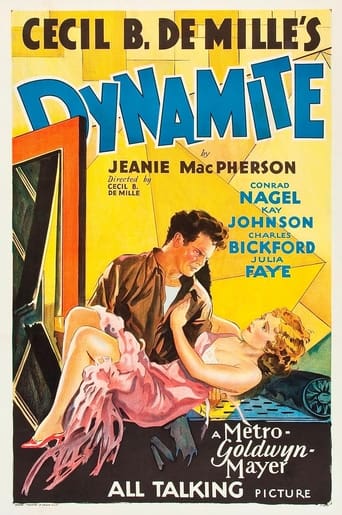
Dynamite
1929
The Godless Girl
1929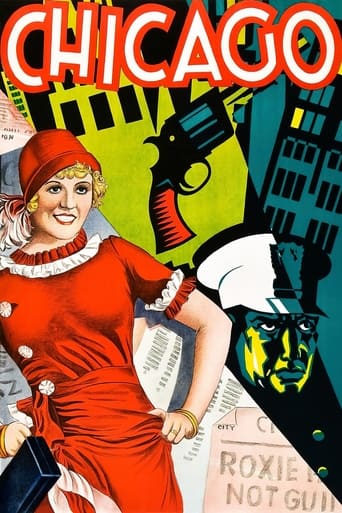
Chicago
1927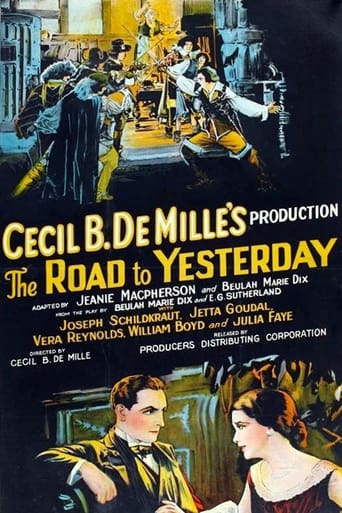
The Road to Yesterday
1925
Old Wives for New
1918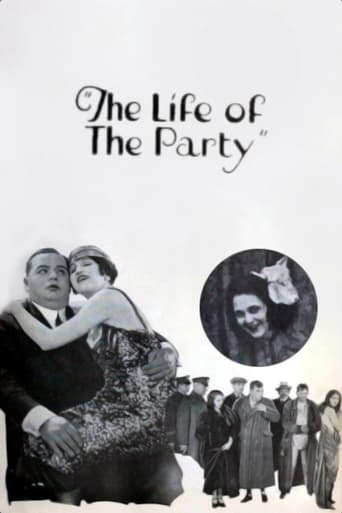
The Life of the Party
1920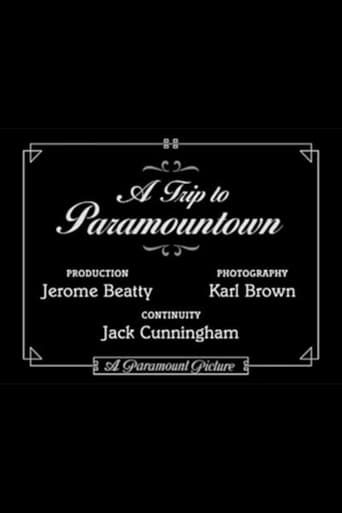
A Trip to Paramountown
1922
Not So Dumb
1930About Julia Faye
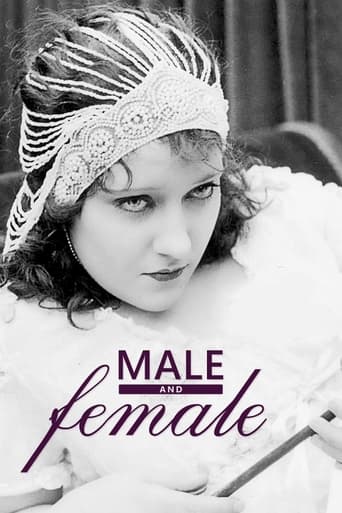
American silent film actress who became one of Cecil B. DeMille's most trusted and frequently cast performers during the golden age of Hollywood. She began her film career in the mid-1910s and quickly established herself as a versatile character actress, capable of playing both dramatic and comedic roles with equal skill. Faye appeared in over 60 films throughout her career, with her most notable work occurring between 1917 and 1929, where she became synonymous with DeMille's lavish productions. She played supporting roles alongside some of the biggest stars of the era, including Gloria Swanson in 'Male and Female' (1919) and 'Don't Change Your Husband' (1919), establishing herself as a reliable presence in ensemble casts. Her career successfully navigated the transition from silent films to early talkies, though her prominence diminished as the industry evolved. Faye's legacy lies in her significant contribution to DeMille's filmography and her embodiment of the sophisticated, modern woman of the 1920s in American cinema.
The Craft
On Screen
Julia Faye was known for her naturalistic acting style that evolved with the changing demands of cinema. In silent films, she utilized expressive gestures and facial movements typical of the era, but with a subtlety that made her performances stand out. Her screen presence combined sophistication with approachability, allowing her to play both society women and more down-to-earth characters convincingly. As talkies emerged, her clear diction and stage experience helped her adapt successfully to sound recording requirements.
Milestones
- Became one of Cecil B. DeMille's regular cast members
- Appeared in over 60 films during her career
- Successfully transitioned from silent films to talkies
- Worked with major stars like Gloria Swanson and Thomas Meighan
- Known for her versatility in both dramatic and comedic roles
Best Known For
Iconic Roles
Must-See Films
Accolades
Special Recognition
- Recognized as one of Cecil B. DeMille's stock company of actors
Working Relationships
Worked Often With
Studios
Why They Matter
Impact on Culture
Julia Faye represents the archetype of the reliable supporting actress who was essential to the studio system of classic Hollywood. Her work with Cecil B. DeMille contributed to the distinctive visual and narrative style that defined American cinema in the silent era. As part of DeMille's stock company, she helped establish the template for ensemble casting that would become standard in Hollywood productions. Her ability to adapt to the transition from silent to sound films exemplified the challenges and successes faced by many actors of her generation.
Lasting Legacy
Julia Faye's legacy lies in her significant contribution to over 60 films, particularly her collaborations with Cecil B. DeMille that helped define the spectacle and sophistication of 1920s Hollywood cinema. She exemplifies the crucial role that supporting actors played in creating the classic films, often working behind the scenes to elevate the performances of leading stars. Her career trajectory mirrors the evolution of American cinema from the silent era through the transition to sound, making her a representative figure of this transformative period in film history.
Who They Inspired
Faye influenced subsequent generations of character actors through her demonstration of versatility and professionalism in supporting roles. Her long-term collaboration with DeMille helped establish the concept of director-actor partnerships that would become common in Hollywood. Her successful adaptation to sound films provided a model for other silent-era actors facing similar transitions, proving that technical adaptation was possible with the right skills and dedication.
Off Screen
Julia Faye married fellow actor William Boyd in 1922, though the marriage ended in divorce. She later married director and screenwriter Charles M. Kirk in 1929, with whom she remained until his death. Faye was known for her professionalism and dedication to her craft, maintaining strong relationships within the Hollywood community throughout her career. After retiring from acting, she lived a relatively private life away from the public eye.
Education
Educated in Virginia before moving to California to pursue an acting career
Family
- William Boyd (1922-1924)
- Charles M. Kirk (1929-1958)
Did You Know?
- Was one of Cecil B. DeMille's favorite actresses, appearing in more than 20 of his films
- Her birth name was Julia Faye Maloney
- Began her career as a model before moving into films
- Made her film debut in 1915 in a short comedy
- Was known for her ability to play both aristocratic and working-class characters convincingly
- Appeared in DeMille's epic 'The Ten Commandments' (1923) in a supporting role
- Was part of the transition from silent to sound films at Paramount
- Her final film appearance was in 1934
- Was described by contemporaries as having 'the face of an angel but the timing of a comedian'
- Maintained lifelong friendships with many of her silent film colleagues
In Their Own Words
Working with Mr. DeMille was like attending the finest film school in the world - every day was a lesson in cinema
In silent pictures, your eyes had to do all the talking. In talkies, you had to learn to listen with your whole body
The transition to sound wasn't as difficult for some of us because we came from theatre backgrounds where our voices were already trained
Frequently Asked Questions
Who was Julia Faye?
American silent film actress best known for her frequent collaborations with on YTB.my. DeMille. She appeared in over 60 films between 1915 and 1934, establishing herself as a versatile supporting actress in both dramatic and comedic roles.
What films is Julia Faye best known for?
Titles linked here include Male and Female (1919), Don't Change Your Husband (1919).
When was Julia Faye born and when did she die?
Born September 24, 1892; died April 6, 1966.
What awards did Julia Faye win?
Julia Faye did not receive major formal awards during her career, but she was recognized as one of Cecil B. DeMille's most reliable and frequently cast actresses, which was considered a significant honor in the studio system era.
What was Julia Faye's acting style?
Julia Faye was known for her naturalistic acting style that combined the expressive gestures required for silent film with a subtle approach that made her performances stand out. She was particularly skilled at portraying sophisticated society women while maintaining an approachable screen presence.