





Male and Female
"Butler rules the castaways"
Keys: Space play/pause · ←/→ 10s · F fullscreen · M mute · </> speed
About this film
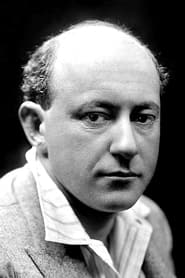
Cecil B. DeMille strands aristocrats and servants on an island where butler Crichton seizes practical command. When an aristocratic family and their servants are shipwrecked, the butler becomes their ruler.
Cast & crew
More films like this


More Adventure films
View all →



More from Cecil B. DeMille
View all →

More about this film
About the production
Release dateNovember 30, 1919
Budget$150,000
Box office$800,000 (estimated)
ProductionFamous Players-Lasky Corporation, Paramount Pictures
Filmed inSanta Catalina Island, California, Paramount Studios, Hollywood, California
The film featured elaborate sets including a full-scale replica of a luxury yacht and detailed island scenes. DeMille insisted on filming on location at Santa Catalina Island for authenticity, which was unusual for the time. The underwater sequences were particularly challenging to film in 1919, requiring innovative camera techniques. The famous Babylonian fantasy sequence was added to the original J.M. Barrie play to showcase Swanson's beauty and DeMille's flair for spectacle.
Themes
Class reversal and social hierarchyHuman nature in primitive conditionsGender roles and power dynamicsCivilization versus natural instinctLove transcending social barriers
Themes & topics
shipwreckclass strugglebutleraristocracydeserted islandrole reversalsocial commentaryromancesurvivalservant-master relationshipgender dynamicsfantasy sequence
Historical background
1919 placed Male and Female within United States cinema as Famous Players-Lasky Corporation navigated wartime markets, immigration audiences, and the shift from intertitles to sound.
Why this film matters
Archivists revisit Male and Female (1919) for Cecil B. DeMille style, genre norms at Famous Players-Lasky Corporation, and the exhibition context of 117 minutes programming.
Making of
Cecil B. DeMille was known for his meticulous attention to detail and demanding directing style. During filming, he insisted that the actors actually swim in the cold Pacific waters rather than use stunt doubles, leading to several cases of hypothermia among the cast. The famous Babylonian fantasy sequence was not in the original play but was added by DeMille to showcase Gloria Swanson in elaborate costumes and settings. This sequence required the construction of massive sets and employed thousands of extras. Swanson and Meighan reportedly had a tense working relationship off-screen, which DeMille exploited to create authentic on-screen tension. The film's underwater sequences were revolutionary for their time, requiring the development of waterproof camera housing and special lighting techniques. DeMille's perfectionism extended to the smallest details, including having the servants learn actual butlering and household skills to make their performances more convincing.
What critics said
Retrospective writing on Male and Female stresses craft by Cecil B. DeMille, print survival, and repertory value rather than opening-week gross alone.
Did you know?
- Based on J.M. Barrie's 1902 play 'The Admirable Crichton', though DeMille took significant liberties with the source material
- Gloria Swanson's salary for this film was $500 per week, making her one of the highest-paid actresses of the era
- The film featured one of the earliest examples of a dream sequence in cinema, with an elaborate Babylonian fantasy scene
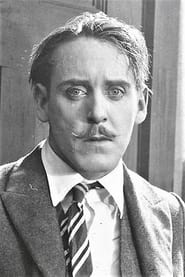
- Thomas Meighan was originally hesitant to play the butler role, fearing it would typecast him, but DeMille convinced him it would be a breakthrough performance
- The shipwreck scenes were filmed using a specially constructed tank on the Paramount lot, a major technical achievement for 1919
- Lila Lee, who played the maid Tweeny, was only 17 years old during filming
- The film's success helped establish Gloria Swanson as a major star and cemented her working relationship with DeMille
- DeMille added the controversial bathing scenes to capitalize on Swanson's sex appeal, which caused some censorship issues in conservative markets
- The film was one of the first to use intertitles with artistic flourishes rather than just functional text
- A portion of the original negative was destroyed in a 1930s studio fire, making complete preservation difficult
Visual style
The cinematography by Alvin Wyckoff was groundbreaking for its time, particularly in the underwater sequences which required innovative camera techniques and special waterproof housing. The film employed dramatic lighting to contrast the refined world of the aristocrats with the harsh natural environment of the island. The Babylonian fantasy sequence used elaborate lighting effects and color tinting to create a dreamlike atmosphere that was revolutionary for 1919. Wyckoff used moving camera shots during the storm sequences to create a sense of chaos and danger, techniques that were still relatively rare in silent cinema. The film's visual style helped establish DeMille's signature approach of combining realism with spectacle, using cinematography to both tell the story and create visual wonder.
Innovations
The film featured several technical innovations for 1919, most notably in its underwater photography. The production team developed waterproof camera housing that allowed for shots beneath the ocean surface, a remarkable achievement for the time. The storm sequences used massive water tanks and mechanical wave machines to create realistic shipwreck effects. The film's use of double exposure techniques for the fantasy sequences was particularly sophisticated, allowing for magical visual effects. The production also pioneered techniques in set construction, building full-scale replicas that could be flooded and destroyed during filming. These technical achievements helped establish new standards for what was possible in feature film production.
Music
As a silent film, 'Male and Female' originally had no synchronized soundtrack but was accompanied by live musical performances in theaters. The studio provided detailed musical cue sheets suggesting appropriate music for different scenes. For the aristocratic scenes, classical pieces by composers like Chopin and Tchaikovsky were recommended, while the island scenes called for more exotic and rhythmic music. The Babylonian fantasy sequence required particularly dramatic and elaborate musical accompaniment. Modern restorations have been scored with newly composed music that attempts to recreate the silent era's theatrical experience while appealing to contemporary audiences.
Famous quotes
On a desert island, we are all equal in the eyes of nature.
A gentleman is a gentleman, whether he wears a crown or serves at table.
Civilization is but a thin veneer over our primitive selves.
When the yacht sinks, so does the class system.
In the wild, the butler becomes the master of his own destiny.
Memorable scenes
- The dramatic shipwreck sequence where the luxury yacht is torn apart by a massive storm, with passengers and crew thrown into churning waters
- The transformation scene where Gloria Swanson's character learns to fish and build shelter, symbolizing her adaptation to primitive life
- The elaborate Babylonian fantasy sequence with Swanson in exotic costume, representing her inner desires and imagination
- The moment when Thomas Meighan's butler character assumes leadership and the aristocrats defer to his practical knowledge
- The final scene aboard the rescue ship where characters must decide whether to maintain their new relationships or return to old social patterns
What audiences thought
The film was a major commercial success upon its release, grossing an estimated $800,000 against its $150,000 budget. Audiences were particularly drawn to Gloria Swanson's glamorous performance and the film's spectacular production values. The shipwreck sequences and the Babylonian fantasy scene were especially popular with viewers. The film's romantic elements and the transformation of Swanson's character from spoiled aristocrat to capable survivor resonated with post-war audiences who had experienced their own social upheavals. The movie ran for weeks in major cities and helped establish Swanson as especially popular stars of the 1920s. Contemporary audience letters preserved in studio archives reveal that many viewers found the class reversal themes thought-provoking while still enjoying the entertainment value.
Film connections
Influenced by
- The Admirable Crichton (play) by J.M. Barrie
- Robinson Crusoe by Daniel Defoe
- The Swiss Family Robinson by Johann Wyss
- Contemporary social Darwinist theories
- Post-WWI class consciousness
This film influenced
- Swept Away (1974)
- The Admirable Crichton (1957)
- Cast Away (2000)
- Lost (TV series)
- Lord of the Flies (1963)
- The Blue Lagoon (1980)
Film restoration
The film is partially preserved but incomplete. While the majority of the film survives in various archives, some sequences exist only in truncated form due to nitrate decomposition over the years. The George Eastman Museum holds the most complete version, though it's missing some footage from the fantasy sequence. The film has been partially restored by the Museum of Modern Art and the Library of Congress, with missing scenes reconstructed from production stills and continuity scripts. The surviving elements show significant deterioration but remain watchable. A complete restoration using digital technology has been discussed but not yet undertaken due to the fragmented nature of the surviving materials.
Where to watch
- The film is available on DVD from Kino Lorber as part of their Cecil B. DeMille collection
- Can be streamed on The Criterion Channel
- Available for viewing at the Library of Congress Packard Campus for Audio Visual Conservation
- Screenings occasionally held at film archives including the Museum of Modern Art and George Eastman Museum
- Some public domain versions exist on YouTube but are of poor quality and incomplete