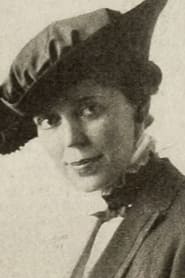
Mayme Kelso
Actor
Born: February 27, 1867 in Columbus, Ohio, USA Died: August 5, 1946 Active: 1911-1927
Films
8 films
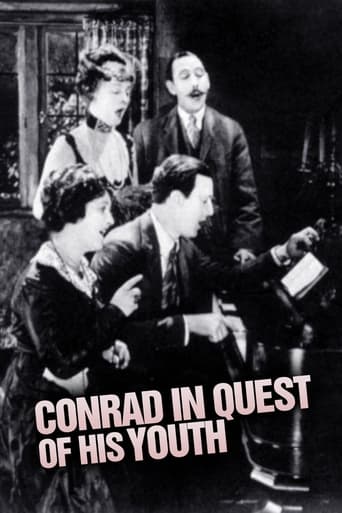
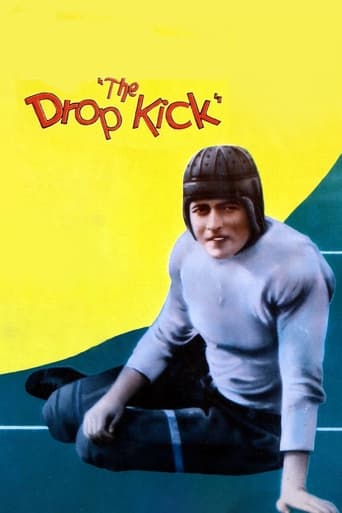
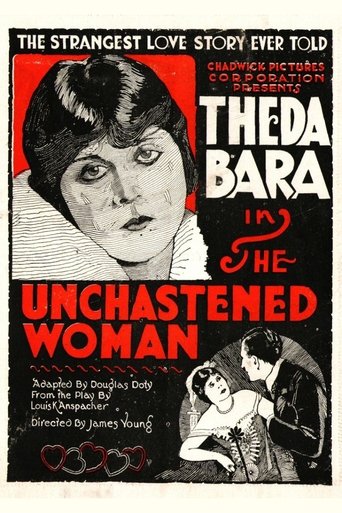
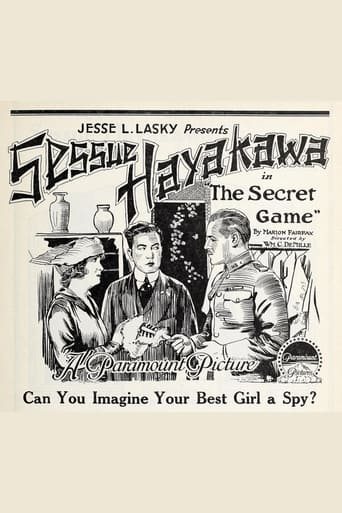
About Mayme Kelso
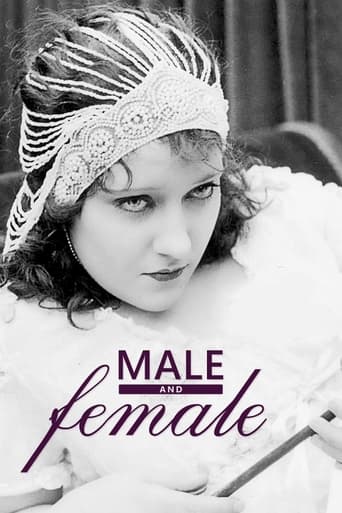
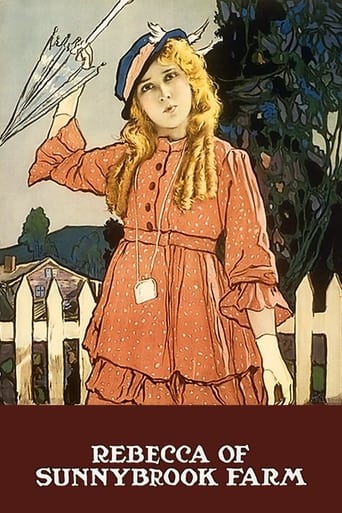
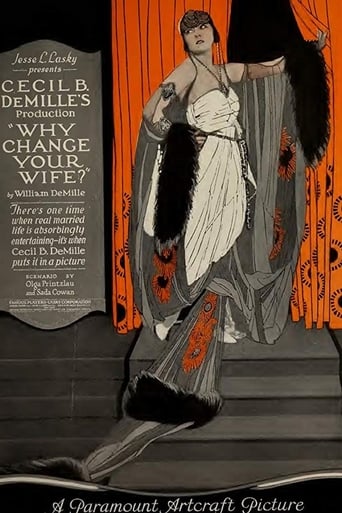
prolific American character actress of the silent film era — known for her distinctive presence in over 150 films between 1911 and 1927. Born in the mid-1860s, she began her film career relatively late in life, already in her forties, which made her perfect for mother, aunt, and society matron roles. She became a favorite of director Cecil B. DeMille, appearing in numerous of his productions including 'Male and Female' (1919) and 'Why Change Your Wife?' (1920). Kelso's the entire golden age of silent cinema, working with major studios like Paramount and Famous Players-Lasky. She often played stern but loving matriarchs or sophisticated society women, bringing gravitas and authenticity to every role. Her film career effectively ended with the transition to sound pictures, as was common for many character actresses of her generation. She retired from acting in the late 1920s and lived out her remaining years away from the spotlight.
The Craft
On Screen
Mayme Kelso was known for her naturalistic yet commanding screen presence, specializing in portraying authoritative matriarchs and society women with dignity and authenticity. Her acting style embodied the theatrical traditions of the 19th century while adapting to the more intimate demands of cinema. She brought depth to supporting roles, often serving as the moral center or voice of reason in films. Her expressions were subtle yet effective, using minimal gestures to convey complex emotions typical of the silent era's best character actors.
Milestones
- Film debut in 1911 with Thanhouser Company
- Regular collaborator with director Cecil B. DeMille
- Appeared in over 150 silent films
- Supporting role in 'Male and Female' (1919) with Gloria Swanson
- Notable performance in 'Why Change Your Wife?' (1920)
- Career spanning 16 years in silent cinema
Best Known For
Iconic Roles
Must-See Films
Working Relationships
Worked Often With
Studios
Why They Matter
Impact on Culture
Mayme Kelso represented the essential backbone of silent cinema - the reliable character actress who brought authenticity and depth to supporting roles. Her consistent presence in major productions of the 1910s and 1920s helped establish the archetype of the American matriarch in early Hollywood cinema. Through her work with directors like Cecil B. DeMille, she contributed to the development of narrative film techniques and the establishment of character archetypes that would influence cinema for decades. Her ability to portray both stern authority figures and compassionate family members helped expand the emotional range available to filmmakers of the silent era.
Lasting Legacy
Mayme Kelso's legacy lies in her contribution to the foundation of Hollywood's supporting cast system, demonstrating the crucial importance of character actors in creating believable cinematic worlds. Her extensive filmography serves as a valuable record of silent era production values and acting techniques. While she never achieved stardom status, her work with major directors and in significant films of the period ensures her place in film history as a representative of the dedicated professionals who built Hollywood's golden age. Her career exemplifies the journey of many character actors who were essential to the industry but remained largely anonymous to the public.
Who They Inspired
As a character actress who specialized in maternal and society roles, Mayme Kelso helped establish templates that future generations of actresses would follow in similar supporting roles. Her naturalistic approach to portraying older women on screen influenced how such characters were written and performed in subsequent films. Working with innovative directors like DeMille, she participated in the evolution of film acting from theatrical to cinematic styles, contributing to techniques that would be refined by later character actors.
Off Screen
Mayme Kelso remained largely private about her personal life, which was common for character actresses of her era. She never married and dedicated her life to her craft, focusing entirely on her acting career. She lived in Los Angeles during her film career and remained in California after her retirement from the industry. Unlike many silent film stars, she successfully transitioned to a quiet life away from Hollywood after her acting career ended.
Education
Limited information available about her formal education, though she likely had theatrical training given her polished performances and stage background before entering films.
Did You Know?
- Appeared in over 150 films during her 16-year career
- Began her film career in her mid-40s, unusually late for the era
- Was a favorite of director Cecil B. DeMille, appearing in multiple his films
- Never achieved leading lady status but was consistently employed as a character actress
- Her career ended with the advent of sound films, as was common for many silent era character actors
- Often played characters much older than her actual age
- Worked with some of the biggest stars of the silent era including Gloria Swanson and Thomas Meighan
- Started with the Thanhouser Company, one of the early film studios
- Was known for her reliability and professionalism on set
- Retired from films completely by 1927, before the full transition to sound
In Their Own Words
No documented famous quotes from Mayme Kelso, as was common for supporting character actors of the silent era who rarely gave interviews or had their words recorded for posterity.
Frequently Asked Questions
Who was Mayme Kelso?
Screen credits include over 150 films between 1911 and 1927. She specialized in playing mothers, aunts, and society matrons, particularly in films directed by Cecil B. DeMille.
What films is Mayme Kelso best known for?
Titles linked here include Male and Female (1919), Why Change Your Wife? (1920).
When was Mayme Kelso born and when did she die?
Born February 27, 1867; died August 5, 1946.
What awards did Mayme Kelso win?
Mayme Kelso did not receive any major awards or nominations during her career, which was common for character actors of the silent era. The Academy Awards were not established until 1929, after her career had essentially ended.
What was Mayme Kelso's acting style?
Kelso was known for her naturalistic yet authoritative screen presence, specializing in portraying matriarchs and society women with dignity and authenticity. Her style combined theatrical gravitas with the intimacy required for film acting.