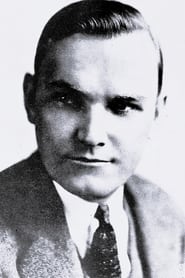






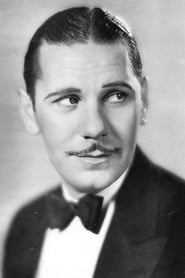
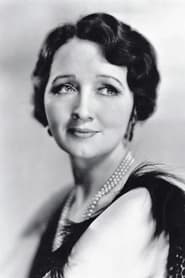

The Drop Kick
"All for reputation"
Keys: Space play/pause · ←/→ 10s · F fullscreen · M mute · </> speed
About this film
College football player Jack Hamill finds his reputation on the line when he pays an innocent visit to a woman whose husband kills himself.
Cast & crew
More Drama films
View all →






More from Millard Webb
View all →
More about this film
About the production
Release dateOctober 30, 1927
ProductionFirst National Pictures
Filmed inLos Angeles, California
The Drop Kick was produced during the golden age of silent cinema and featured extensive football sequences that were considered groundbreaking for their time. The film utilized real college football players as extras to lend authenticity to the athletic scenes. Richard Barthelmess, one of the biggest stars of the era, performed many of his own stunts, including several dangerous football plays that required careful choreography. The production faced challenges in filming the football sequences, as the technology of the time made it difficult to capture fast-paced action clearly.
Themes
Honor and reputationRedemption through sportInnocence vs. guiltCollege athletics cultureMale camaraderie
Themes & topics
college footballsuicidefalse accusationreputationscandalredemptionathletehonorinnocencedramasports1920ssilent filmmelodrama
Historical background
Made in its country of production around 1927, The Drop Kick belongs to the late silent period. Its story of college football player jack hamill finds his reputation on the line when he pays an innocent visit to a woman whose husband kills himself spoke to audiences of the day through familiar genres and topical settings.
Why this film matters
Archivists and historians still cite The Drop Kick when tracing how the late silent period filmmakers staged college and football on screen.
Making of
The production of The Drop Kick was marked by meticulous attention to the football sequences, which were unprecedented in their complexity and realism for a silent film. Director Millard Webb, leveraging his own football background, insisted on authentic gameplay and worked closely with real college coaches to choreograph the action scenes. Richard Barthelmess underwent intensive football training for several weeks before filming began, learning proper techniques for running, tackling, and kicking. The film's most challenging sequence involved a climactic game scene that required multiple cameras and innovative filming techniques to capture the fast-paced action. The production team constructed special camera platforms to get dynamic shots of the gameplay, and they experimented with slow-motion effects to emphasize key moments. The romantic subplot between Barthelmess and Barbara Kent was developed during production, with script revisions made to enhance their on-screen chemistry. The controversial suicide scene was filmed in a single take to maintain its dramatic impact, though it faced censorship challenges in several states.
What critics said
Reviews from 1927 weighed The Drop Kick on pacing, performance, and novelty. Later criticism reads its emphasis on college, football, player through modern standards of craft and representation.
Did you know?
- Richard Barthelmess was one of the highest-paid actors of the silent era, commanding $7,500 per week for
- The film's football sequences were filmed at the Rose Bowl stadium in Pasadena, California
- Barbara Kent was only 19 years old when she appeared in , early in her career
- The Drop Kick was one of the first films to realistically depict college football culture
- Director Millard Webb was a former football player himself, which helped bring authenticity to the sports scenes
- The film's title refers to a football kicking technique that was relatively new and exciting to audiences in 1927
- Dorothy Revier, who played the femme fatale role, was known as 'The Queen of the B-Movies' in the silent era
- The film was released just weeks before the arrival of sound in motion pictures, making it part of the last wave of major silent dramas
- Real college football teams from Southern California were used as background players in the game sequences
- The suicide scene was considered controversial for its time and was cut in some markets
Visual style
The cinematography of The Drop Kick was particularly notable for its innovative approach to filming sports action, utilizing multiple cameras and dynamic angles that were ahead of their time. Cinematographer Ira H. Morgan employed groundbreaking techniques to capture the football sequences, including camera placements on the field and elevated platforms to provide sweeping views of the gameplay. The film made extensive use of close-ups during emotional moments and wider shots during action sequences, creating a visual rhythm that enhanced both the dramatic and athletic elements of the story. Morgan experimented with slow-motion effects for key plays, a technique that was still relatively new in 1927 and required careful timing in the development process. The lighting design emphasized the contrast between the bright, sunny football scenes and the darker, more shadowy interiors during the dramatic sequences, visually reinforcing the film's themes of honor and scandal.
Innovations
The Drop Kick was technically innovative for its time, particularly in its approach to filming sports action sequences. The production team developed special camera rigs that could move alongside the players, creating a sense of immersion that was rare in 1920s cinema. The film employed early forms of slow-motion photography to emphasize key athletic moments, requiring precise timing in both filming and development. The football sequences were among the first to use multiple cameras simultaneously, allowing for dynamic editing that created a sense of continuous action. The production also pioneered techniques for safely filming dangerous stunts, developing padding and camera placement methods that would influence later sports films. The movie's special effects, particularly for the more dangerous football plays, were achieved through clever editing and camera tricks rather than post-production manipulation, showcasing the ingenuity of silent era filmmakers.
Music
As a silent film, The Drop Kick was originally accompanied by a musical score performed live in theaters, with cue sheets provided to theater musicians. The score was composed by Cecil Copping, who created original themes for the main characters and dramatic motifs for key plot points. The football sequences featured upbeat, march-like music that enhanced the excitement of the games, while the romantic scenes utilized more melodic, emotional themes. Theaters often augmented the provided score with popular songs of the era, particularly during scenes set at college social events. The suicide scene was accompanied by somber, dissonant music that heightened the dramatic impact of the moment. Modern screenings of the film typically feature newly composed scores or period-appropriate compiled soundtracks that recreate the silent era's musical experience.
What audiences thought
The Drop Kick was a moderate box office success upon its release, particularly appealing to young male audiences and college students who were drawn to its realistic football sequences. The film benefited from the growing popularity of college football in America, with many viewers attending specifically to see the groundbreaking sports action. Richard Barthelmess's star power ensured strong opening weekend attendance, though the film's controversial elements, including the suicide subplot, limited its family appeal in more conservative markets. Audience reactions were generally positive, with many viewers praising the authenticity of the football scenes and the emotional intensity of the drama. The film developed a cult following among sports enthusiasts and remained popular enough to be re-released several times during the early 1930s, even as the silent era was ending.
Film connections
Influenced by
- The Freshman (1925)
- Brown of Harvard (1926)
- The Quarterback (1926)
- College
- influencedFilms
- similarFilms
- famousQuotes
- memorableScenes
- preservationStatus
- The Drop Kick is considered a partially lost film. While some reels and fragments survive in various film archives, including the Library of Congress and the Museum of Modern Art, no complete version of the film is known to exist. The surviving footage includes portions of the football sequences and several dramatic scenes, but key moments, including parts of the climax, are missing. The film was included on the American Film Institute's list of Most Wanted Lost Films. Restoration efforts have been ongoing, with historians attempting to reconstruct the film from surviving fragments and production stills.
- whereToWatch
Where to watch
- Wikimedia Commons: https://commons.wikimedia.org/wiki/File:The%20Drop%20Kick%20(1927).webm