
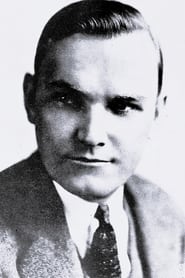
Millard Webb
Actor & Director
Born: December 6, 1888 in Clay County, Indiana, United States Died: April 21, 1934 Active: 1925-1930
Films
4 films

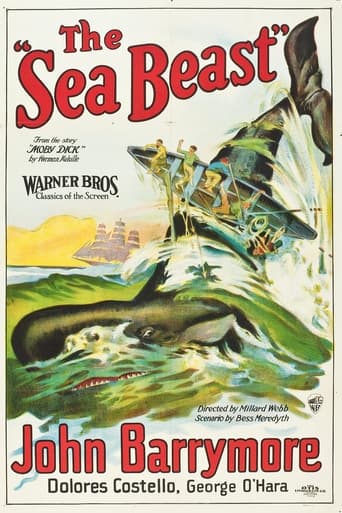

About Millard Webb
American film director and screenwriter who worked during the pivotal transition from silent films to talkies in the late 1920s. Beginning his career as a screenwriter, Webb transitioned to directing in 1925 and quickly established himself as a capable filmmaker capable of handling both dramatic spectacles and early musical productions. His most notable achievement was directing John Barrymore in the 1926 adaptation of 'The Sea Beast,' a loose version of Moby-Dick that became one of the year's biggest box office successes. Webb demonstrated versatility across genres, directing sports dramas like 'The Drop Kick' (1927) and the ambitious early sound musical 'Glorifying the American Girl' (1929). His career, though brief, spanned the most transformative period in cinema history, and he successfully navigated the technical challenges of early sound production. Webb's promising career was tragically cut short when he died in 1934 at the age of 45, just as the Hollywood studio system was reaching its golden age.
The Craft
Behind the Camera
Webb's directing style reflected the theatrical influences common in late silent cinema, with an emphasis on dramatic compositions and grand visual spectacle. He demonstrated particular skill in handling large-scale productions and action sequences, as evidenced by the maritime scenes in 'The Sea Beast.' His approach to early sound films showed adaptability to new technical requirements while maintaining visual storytelling traditions. Webb favored straightforward narrative techniques that appealed to mainstream audiences of the era.
Milestones
- Directed John Barrymore in 'The Sea Beast' (1926), a major box office success
- Successfully transitioned from silent to sound films with 'Glorifying the American Girl' (1929)
- Worked as both screenwriter and director during Hollywood's formative years
- Collaborated with major stars of the era including John Barrymore and Richard Barthelmess
Best Known For
Must-See Films
Working Relationships
Worked Often With
Studios
Why They Matter
Impact on Culture
Millard Webb contributed to the transitional period of American cinema, helping bridge the gap between silent spectacle and early sound production. His work on 'The Sea Beast' represented the type of grand, star-driven productions that defined late silent cinema, while 'Glorifying the American Girl' demonstrated his ability to adapt to the new demands of sound technology. Webb's films reflected the popular entertainment values of their time, emphasizing romance, adventure, and spectacle that appealed to mass audiences during the golden age of moviegoing.
Lasting Legacy
Though his career was brief, Millard Webb's work represents an important chapter in Hollywood's evolution from silent to sound cinema. His collaboration with John Barrymore on 'The Sea Beast' remains a notable example of late silent spectacle filmmaking. Webb's ability to successfully direct both silent and early sound films demonstrated the adaptability required of filmmakers during this transformative period. His films, particularly 'The Sea Beast,' continue to be studied by film historians as examples of late 1920s Hollywood production values and storytelling techniques.
Who They Inspired
As a director working during the crucial transition period, Webb contributed to the development of techniques that would become standard in early sound cinema. His work helped establish conventions for integrating dialogue and music into narrative films. While he did not develop a distinctive cinematic school or style that directly influenced other directors, his successful navigation of the silent-to-sound transition provided a model for other filmmakers facing similar technical and artistic challenges.
Off Screen
Millard Webb maintained a relatively private personal life away from the Hollywood spotlight. Born in rural Indiana, he made his way to Los Angeles during the early growth of the film industry. His career was concentrated primarily in the late 1920s, coinciding with his most productive years as a filmmaker. Webb's death at age 45 cut short what appeared to be a promising career in the emerging sound era of Hollywood. Little detailed information survives about his family life or personal relationships.
Did You Know?
- 'The Sea Beast' (1926) was a loose adaptation of Herman Melville's 'Moby-Dick' that significantly altered the original story to create a more conventional Hollywood romance
- John Barrymore's performance in 'The Sea Beast' was considered one of his most popular roles during the silent era
- 'Glorifying the American Girl' (1929) was one of the earliest all-talking, all-singing musical productions
- Webb began his film career primarily as a screenwriter before transitioning to directing
- His directing active years covered only five years but covered the most dramatic technological changes in cinema history
- 'The Drop Kick' (1927) featured early football sequences that helped establish sports film conventions
- Webb worked with some of the biggest stars of the late silent era despite his relatively brief career
- His death in 1934 meant he missed the full development of the Hollywood studio system's golden age
Frequently Asked Questions
Who was Millard Webb?
American on YTB.my. He worked during the crucial transition period from silent films to talkies before his untimely death in 1934 at age 45.
What films is Millard Webb best known for?
Titles linked here include The Sea Beast (1926), The Drop Kick (1927).
When was Millard Webb born and when did he die?
Born December 6, 1888; died April 21, 1934.
What awards did Millard Webb win?
There are no recorded major awards or nominations for Millard Webb during his brief career. His work, however, was commercially successful, particularly 'The Sea Beast' which was a box office hit in 1926. Awards recognition was less formalized during his active period in the late 1920s.
What was Millard Webb's directing style?
Webb's directing style emphasized dramatic visual compositions and spectacle typical of late silent cinema, with skill in handling large-scale productions and action sequences. He demonstrated adaptability in transitioning to sound films while maintaining strong visual storytelling. His approach favored straightforward narratives that appealed to mainstream audiences of the era.