Alberta Vaughn
Actor
Born: June 27, 1904 in Ashland, Kentucky, USA Died: April 26, 1992 Active: 1924-1934 Birth Name: Alberta C. Vaughn
Films
4 films
About Alberta Vaughn
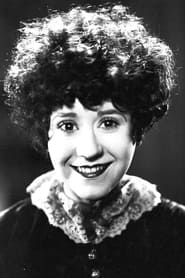
Prolific American actress who flourished during the transition from silent films to early talkies in Hollywood. Born in Kentucky in 1904, she began her film career in 1924 and quickly gained recognition as one of the WAMPAS Baby Stars that same year, a prestigious honor given to promising young actresses. Throughout her decade-long career, she appeared in more than 60 films, primarily in supporting roles and comedic parts, showcasing her versatility and charm. Vaughn worked with numerous prominent actors of the era including Harry Langdon, Hoot Gibson, and John Wayne, often playing the female lead or romantic interest. Her both the silent era and the early sound period, though her prominence began to wane as the 1930s progressed. After retiring from acting in 1934, she married film editor Joseph H. August and lived a private life away from the Hollywood spotlight until her death in 1992 at the age of 87.
The Craft
On Screen
Alberta Vaughn was known for her natural comedic timing and expressive performances that translated well from silent to sound films. She possessed a wholesome, girl-next-door quality that made her particularly effective in romantic comedies and light-hearted dramas. Her acting style was characterized by subtle facial expressions and a lively screen presence that could convey emotion effectively without dialogue, making her a versatile performer during the transitional period of late 1920s cinema.
Milestones
- Selected as WAMPAS Baby Star in 1924
- Appeared in over 60 films during her decade-long career
- Successfully transitioned from silent films to early talkies
- Worked with major stars including Harry Langdon and John Wayne
- Starred in Universal Pictures comedies and westerns
Best Known For
Iconic Roles
Must-See Films
Accolades
Won
- WAMPAS Baby Star (1924)
Special Recognition
- Honored as one of the 13 WAMPAS Baby Stars of 1924, a prestigious recognition for promising young actresses
Working Relationships
Worked Often With
Studios
Why They Matter
Impact on Culture
Alberta Vaughn represents the generation of actresses who successfully navigated the challenging transition from silent films to talkies in Hollywood. As a WAMPAS Baby Star, she was part of an important promotional tradition that helped launch the careers of many notable actresses. Her extensive filmography, particularly her work in comedies and westerns, contributed to the development of these genres during the formative years of American cinema. Though not a major star by today's standards, her consistent work throughout the 1920s and early 1930s exemplifies the journey of many contract players who formed the backbone of Hollywood's studio system.
Lasting Legacy
Alberta Vaughn's legacy lies in her contribution to the golden age of Hollywood as a reliable and versatile character actress. Her films, particularly those from the silent era, serve as important historical artifacts documenting the evolution of American cinema. While she may not be remembered as a major star, her work with prominent figures like Harry Langdon and John Wayne places her within the broader context of early Hollywood history. Her career trajectory also reflects the typical path of many actresses of her era who found success in the 1920s but gradually faded from prominence as the studio system evolved and new stars emerged.
Who They Inspired
While Alberta Vaughn did not have a documented direct influence on subsequent generations of actors, her work as part of the WAMPAS Baby Stars class of 1924 places her among a group of actresses who helped define the archetype of the modern Hollywood starlet. Her successful transition from silent to sound films demonstrated adaptability that other actresses could emulate. Her performances in comedies and westerns contributed to the development of character archetypes that would continue in these genres for decades to come.
Off Screen
Alberta Vaughn married twice during her lifetime. Her first marriage was to actor and director Harry A. Pollard in 1926, which lasted until his death in 1934. Following Pollard's death, she married Academy Award-winning cinematographer Joseph H. August in 1935, and they remained married until his death in 1947. Despite her Hollywood career, Vaughn maintained a relatively private personal life and had no children. After her second husband's death, she largely withdrew from public life and lived quietly in Studio City, California, until her passing in 1992.
Education
Limited information available about her formal education, though she likely received some training in dramatic arts to prepare for her acting career
Family
- Harry A. Pollard (1926-1934)
- Joseph H. August (1935-1947)
Did You Know?
- Was one of 13 actresses selected as WAMPAS Baby Stars in 1924
- Appeared in over 60 films in just 10 years
- Was married to two prominent Hollywood figures: director Harry A. Pollard and cinematographer Joseph H. August
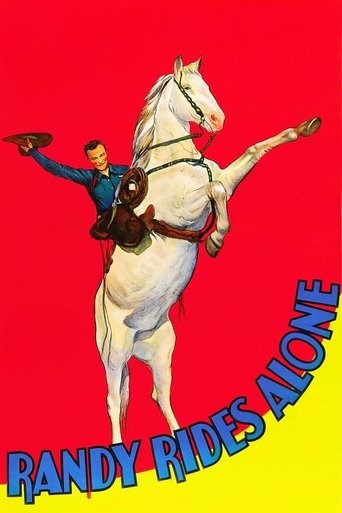
- Her final film 'Randy Rides Alone' (1934) was an early John Wayne western
- Often played the romantic interest in comedy shorts and feature films
- Was particularly popular in Universal Pictures' comedy productions
- Successfully made the transition from silent films to talkies
- Retired from acting at the age of 30
- Lived for nearly 58 years after her film career ended
- Her first husband Harry A. Pollard directed her in several films
In Their Own Words
No documented famous quotes from Alberta Vaughn are available in historical records
Frequently Asked Questions
Who was Alberta Vaughn?
American actress who worked in Hollywood during the silent film era and early talkies period from 1924 to 1934, appearing in over 60 films and gaining recognition as one of the WAMPAS Baby Stars of 1924.
What films is Alberta Vaughn best known for?
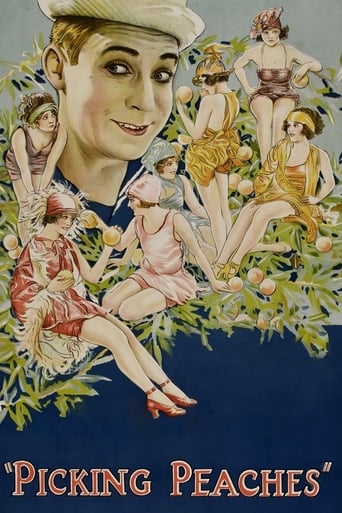
Titles linked here include Picking Peaches (1924), The Iron Mule (1925).
When was Alberta Vaughn born and when did she die?
Born June 27, 1904; died April 26, 1992.
What awards did Alberta Vaughn win?
Alberta Vaughn's most notable recognition was being selected as one of the WAMPAS Baby Stars in 1924, a prestigious honor given to promising young actresses by the Western Association of Motion Picture Advertisers.
What was Alberta Vaughn's acting style?
Alberta Vaughn was known for her natural comedic timing and expressive performances, with a wholesome girl-next-door quality that made her effective in romantic comedies and light-hearted dramas during both the silent and early sound eras.
Who did Alberta Vaughn marry?
Alberta Vaughn married twice: first to actor and director Harry A. Pollard in 1926 (until his death in 1934), and later to Academy Award-winning cinematographer Joseph H. August in 1935 (until his death in 1947).
Why did Alberta Vaughn retire from acting?
Alberta Vaughn retired from acting in 1934 at the age of 30, coinciding with the death of her first husband Harry A. Pollard, after which she married cinematographer Joseph H. August and chose to focus on her personal life rather than continue her film career.