Picking Peaches
"A series of sketches with a shoe clerk, his wife, and his extra-curricular…"
Keys: Space play/pause · ←/→ 10s · F fullscreen · M mute · </> speed
About this film
A series of sketches with a shoe clerk, his wife, and his extra-curricular activities. The shoe clerk steps out on his wife with one of his customers. Both his wife and the woman's husband catch them when they go to the beach and later watch a beauty and fashion contest.
Cast & crew
More films like this

More Comedy films
View all →







More from Erle C. Kenton
View all →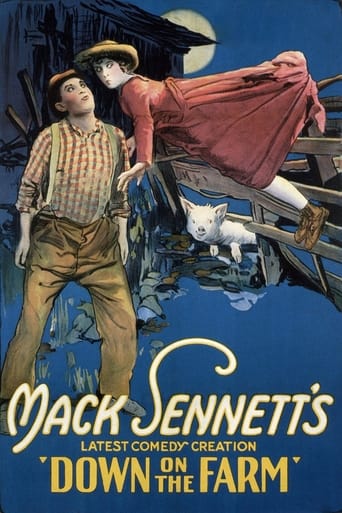
More about this film
About the production
Release date1924
Box officeBox office records not available for this short film
ProductionMack Sennett Comedies
Filmed inLos Angeles, California, Coastal California (beach scenes)
This was one of Harry Langdon's early Mack Sennett shorts, produced during his transition from vaudeville to films. The film showcases Langdon's signature 'baby-faced' innocent persona that would later make him a major comedy star. Like many Sennett productions of this period, it was likely shot quickly on existing studio sets and nearby locations to maximize efficiency.
Themes
Marital infidelityComedic comeuppanceDeception and disguiseSocial hypocrisyGender roles in the 1920s
Themes & topics
Shoe clerkAdulteryBeachBeauty contestDisguiseComedy of errorsMarriageRevenge
Historical background
Released in 1924 during the late silent period, Picking Peaches reached audiences when exhibitors were still defining programming conventions. The narrative hook—A series of sketches with a shoe clerk, his wife, and his extra-curricular…—reflects what contemporary producers thought would draw viewers.
Why this film matters
Picking Peaches remains discussed by archivists tracing how screen stories of its period represented work, desire, conflict, and social order. Its central situation—A series of sketches with a shoe clerk, his wife, and his extra-curricular…—still prompts questions about genre conventions and audience expectations.
Making of
Picking Peaches was produced during Harry Langdon's breakthrough period at Mack Sennett Studios. Langdon, who had been a vaudeville performer for decades, was discovered by Sennett and given a contract in 1924. This film was among his early shorts that helped establish his screen persona as an innocent, childlike man caught in adult situations. Director Erle C. Kenton was a Sennett regular who understood the studio's fast-paced production methods. The film was likely shot in just a few days, as was typical for Sennett shorts, with minimal scripting and heavy reliance on improvisation and physical comedy. The beach location shooting presented challenges for early film equipment, but the sunny California climate made it ideal for outdoor comedy sequences.
What critics said
Trade and newspaper notices for Picking Peaches generally emphasized casting, spectacle, and program fit rather than extended aesthetic argument. Retrospective screenings and archival notes continue to shape how viewers evaluate Picking Peaches today.
Did you know?
- Harry Langdon was relatively new to films when this was made, having just begun his collaboration with Mack Sennett in 1924
- Director Erle C. Kenton would go on to direct numerous horror films for Universal Studios in the 1930s and 1940s
- The title 'Picking Peaches' was common slang in the 1920s for flirting with or pursuing attractive women
- Mack Sennett was known as 'The King of Comedy' and discovered many major comedy stars including Charlie Chaplin and Buster Keaton
- This film was released during the peak of silent comedy popularity in Hollywood
- Harry Langdon's character in this film exemplifies his 'little man' persona that would later rival Chaplin and Keaton in popularity
- The beach scenes were likely filmed at Santa Monica or Venice Beach, popular filming locations for early Hollywood
- Sennett comedies were known for their innovative editing techniques and rapid pacing, which influenced later comedy filmmaking
Visual style
The cinematography in Picking Peaches reflects the standard practices of Mack Sennett productions in 1924. The film likely utilized stationary cameras for interior scenes and more mobile setups for the exterior beach sequences. The visual style emphasizes clarity over artistry, ensuring that the physical comedy and facial expressions - particularly Langdon's trademark reactions - are clearly visible. The beach scenes would have presented lighting challenges that early cinematographers were still learning to manage, likely requiring reflectors and careful timing to take advantage of natural light. The film's visual approach prioritizes the comedy over aesthetic concerns, typical of production-line comedy shorts of this era.
Innovations
Picking Peaches does not feature any notable technical innovations but represents the solid craftsmanship of mid-1920s comedy production. The film demonstrates the efficient editing techniques developed by Mack Sennett's studio, which pioneered rapid cutting to enhance comedic timing. The location shooting at the beach shows the growing mobility of film equipment and the industry's increasing comfort with outdoor filming. The film's special effects, if any, would have been achieved through in-camera techniques rather than post-production processes, as was typical for this era.
Music
As a silent film, Picking Peaches would have been accompanied by live musical performance during its theatrical run. The typical score for a Sennett comedy would include popular songs of 1924, classical pieces adapted for comedic effect, and original improvisation by the theater's pianist or organist. The music would have been synchronized to enhance the comedic timing and emotional beats of the story. No original composed score exists for this film, and modern screenings would require newly compiled or composed music appropriate to the period and style of the production.
Famous quotes
No recorded dialogue exists as this is a silent film
Memorable scenes
- The beach confrontation scene where both couples discover each other
- The beauty contest sequence with the masked wife
- The final shoe store scene where the winner claims her prize
- Langdon's attempts to hide his infidelity through various comedic mishaps
What audiences thought
Audiences in 1924 responded positively to Harry Langdon's fresh approach to comedy, and films like Picking Peaches helped build his growing fan base. The film's mix of situational comedy and mild risqué humor was typical of what theater-goers expected from Sennett productions. While specific attendance figures are not available, the continued production of Langdon shorts throughout 1924 indicates strong audience reception. Modern audiences who have seen the film through archival screenings appreciate it as a representative example of mid-1920s comedy shorts and a showcase of Langdon's early work before he became a major star.
Film connections
Influenced by
- Mack Sennett's established comedy formula
- Vaudeville sketch comedy traditions
- Earlier domestic comedy shorts
- Charlie Chaplin's character-based comedy
This film influenced
- Later Harry Langdon features
- Other Sennett shorts with similar themes
- Domestic comedy films of the late 1920s
Film restoration
The preservation status of Picking Peaches is unclear, as many Mack Sennett shorts from this period have been lost. The film may exist in archives or private collections, but it is not widely available for viewing. Silent film preservation efforts continue to locate and restore shorts from this era, so the film may yet be rediscovered or already preserved in archives that haven't made it publicly accessible.
Where to watch
- Currently not commercially available
- May exist in film archives such as the Library of Congress or UCLA Film & Television Archive
- Potentially available through specialized silent film collectors or societies
- Could appear in retrospective screenings of Harry Langdon or Mack Sennett works