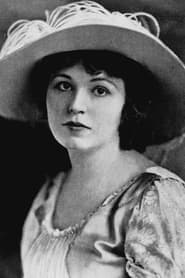
Ethel Teare
Actor
Born: January 11, 1894 in St. Louis, Missouri, USA Died: March 4, 1959 Active: 1914-1924 Birth Name: Ethel May Teare
Films
2 films
About Ethel Teare
American actress who flourished during the silent film era, appearing in numerous short comedies and features throughout the 1910s and early 1920s. She began her film career around 1914, quickly establishing herself as a versatile performer capable of both comic and dramatic roles. Teare worked extensively with major comedy studios of the era, particularly appearing in films alongside popular comedians of the period. Her approximately a decade, during which she appeared in dozens of films, though many have been lost to time due to the deterioration of nitrate film stock. She was particularly active in the mid-1910s through the early 1920s, with her filmography including works for various production companies. Like many silent era actors, her career declined with the advent of sound films, and she retired from acting in the mid-1920s. Her contributions to early American cinema, while not widely documented, represent the work of the many dedicated performers who helped establish the film industry during its formative years.
The Craft
On Screen
Ethel Teare was known for her expressive face and physical comedy skills, typical of silent era performers who needed to convey emotions without dialogue. She possessed a natural screen presence that allowed her to adapt to various genres, though she excelled particularly in comedy. Her acting style incorporated the exaggerated gestures and facial expressions necessary for silent film communication, while maintaining a sense of authenticity that connected with audiences. She was particularly effective in romantic comedy scenarios, where she could balance humor with genuine emotion.
Milestones
- Film debut in 'The No-Account Count' (1914)
- Regular appearances in comedy shorts throughout the 1910s
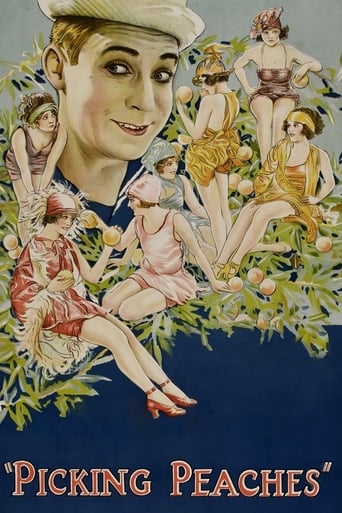
- Work in 'Picking Peaches' (1924) among her later films
- Extensive filmography with over 50 credited appearances
- Transition from supporting roles to more prominent characters
Best Known For
Iconic Roles
Must-See Films
Working Relationships
Worked Often With
Studios
Why They Matter
Impact on Culture
Ethel Teare represents the countless working actors who formed the backbone of the early American film industry during its explosive growth period. While not a major star, her consistent work ethic and versatility exemplified the professional standards of silent era performers. Her contributions to early comedy shorts helped establish the template for American film comedy that would evolve throughout the 20th century. Teare's career trajectory also illustrates the challenges faced by many silent era actors who struggled to transition to sound films, a common narrative in Hollywood history.
Lasting Legacy
Though largely forgotten by mainstream film history, Ethel Teare's legacy survives through the surviving films in which she appeared, many of which are preserved by film archives and occasionally screened at silent film festivals. Her work serves as an important example of the typical actress's career during the silent era, providing insight into the working conditions and career patterns of early film performers. Film historians and silent cinema enthusiasts continue to discover and appreciate her contributions to early American cinema through restoration projects and archival screenings.
Who They Inspired
As a working actress rather than a major star, Ethel Teare's direct influence on subsequent generations of performers is difficult to trace. However, her work in early comedy shorts contributed to the development of American film comedy as a genre. The techniques and approaches she employed as a silent film actress were part of the foundation upon which later film performers would build, particularly in the realm of physical comedy and visual storytelling.
Off Screen
Ethel Teare was born Ethel May Teare in St. Louis, Missouri, and moved to California during her youth to pursue opportunities in the burgeoning film industry. She married fellow actor Harry A. Pollard in 1915, with whom she occasionally collaborated professionally. The couple remained married until Pollard's death in 1934. After retiring from films in the mid-1920s, Teare largely withdrew from public life and focused on her personal affairs. She spent her later years in Los Angeles, where she passed away in 1959 at the age of 65.
Education
Limited information available about her formal education, though she likely received some dramatic training to prepare for her film career
Family
- Harry A. Pollard (1915-1934)
Did You Know?
- Appeared in over 50 films during her decade-long career
- Many of her films were short comedies, a popular format of the era
- Worked during the transitional period when films evolved from shorts to feature-length productions
- Her active years covered the peak years of American silent film production
- Like many silent era actors, most of her films have been lost
- She was part of the generation of actors who witnessed the complete transformation of the film industry
- Her marriage to director Harry A. Pollard connected her to both sides of the camera
- Retired from films before the complete transition to sound, avoiding the difficulties many silent actors faced
- Her birth name was Ethel May Teare
- Began her career at age 20, which was typical for actresses of her era
In Their Own Words
No documented famous quotes from Ethel Teare are available in historical records
Frequently Asked Questions
Who was Ethel Teare?
American actress who worked in silent films during the 1910s and early 1920s, appearing in numerous comedy shorts and feature films. She was part of the generation of performers who helped establish the American film industry during its formative years.
What films is Ethel Teare best known for?
Titles linked here include The No-Account Count (1914), Picking Peaches (1924).
When was Ethel Teare born and when did she die?
Born January 11, 1894; died March 4, 1959.
What awards did Ethel Teare win?
There are no documented awards or honors specifically awarded to Ethel Teare during her career or posthumously. This was common for many working actors of the silent era who were not major stars.
What was Ethel Teare's acting style?
Ethel Teare's acting style was typical of silent era performers, featuring expressive facial expressions and physical comedy techniques necessary for conveying emotion without dialogue. She was particularly adept at comedy roles and could effectively balance humor with genuine emotion in romantic scenarios.