
The No-Account Count
"Stolen finery at the altar"
Keys: Space play/pause · ←/→ 10s · F fullscreen · M mute · </> speed
About this film
A short comic film in which the Count has found a bride, namely Mr. Krapaan’s extravagant daughter.
Cast & crew
More films like this
More about this film
About the production
Release dateMarch 21, 1914
ProductionLubin Manufacturing Company
Filmed inPhiladelphia, Pennsylvania
This was a one-reel comedy short produced during the height of the Lubin company's production period. The film was typical of the slapstick comedies being produced by American studios in the early 1910s, featuring mistaken identity and visual gags. The bathtub scene would have been considered risqué for its time, pushing the boundaries of what was acceptable in comedy.
Themes
Mistaken identityClass satireDeception and truthSocial mobilityAppearance versus reality
Themes & topics
Historical background
The No-Account Count reached screens around 1914, produced in its country of origin. Silent-era houses paired such titles with live music and newsreel bills.
Why this film matters
Researchers cite The No-Account Count when tracing screen culture of its decade.
Making of
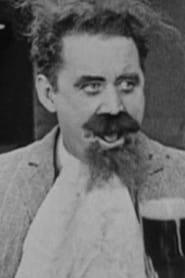
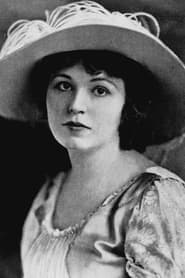
The No-Account Count was produced by the Lubin Manufacturing Company, one of the pioneering film studios in early American cinema. The company was founded by Siegmund Lubin and was based in Philadelphia, with additional studios in Betzwood, Pennsylvania. The film was likely shot quickly on a minimal budget, as was typical for comedy shorts of this period. The cast members were all regular performers in Lubin productions. John E. Brennan and John Rand were character actors who appeared in numerous Lubin comedies, while Fred Hornby was a supporting actor who often played authority figures. The production would have used natural lighting and simple sets, with the comedy relying heavily on physical action and visual gags rather than sophisticated staging.
What critics said
Reviewers in 1914 weighed The No-Account Count on clarity, pacing, and audience response rather than prestige status. No single canonical review dominates later reference works for the title.
Did you know?
- The film was released during the early days of feature film production, when most movies were still one-reel shorts running approximately 10-15 minutes.
- Director Albert W. Hale was primarily known for directing comedy shorts for the Lubin Manufacturing Company during this period.
- The film's title plays on the double meaning of 'no-account' - suggesting both a count without money and someone of no importance.
- This film was part of a wave of 'mistaken identity' comedies popular in early American cinema.
- The Lubin Manufacturing Company, which produced this film, was one of the first motion picture production companies in America but went bankrupt by 1916.
- The film's plot involving a tramp stealing clothes was a common trope in early silent comedy, later famously used by Charlie Chaplin.
- Like many films of this era, it was likely shot in just a few days with minimal rehearsal time.
- The film was released just months before the outbreak of World War I, which would dramatically change the film industry.
Visual style
The cinematography would have been typical of 1914 studio productions, using stationary cameras with basic lighting setups. The film would have been shot on 35mm film in black and white, with no color tinting. The camera work would have been functional rather than artistic, focusing on clearly capturing the action and comedy. Interior scenes would have been shot on studio sets with artificial lighting, while any exterior scenes would have utilized natural light. The visual style would have emphasized clarity over sophistication, ensuring that audiences could follow the physical comedy and narrative.
Innovations
The No-Account Count does not appear to have introduced any significant technical innovations. The film would have utilized standard production techniques for 1914, including basic editing, intertitles for dialogue and exposition, and standard camera equipment. The film's technical aspects were functional rather than innovative, reflecting the established practices of the era. The production would have used the standard 35mm film format and projection speed of approximately 16 frames per second, typical for the period.
Music
As a silent film, The No-Account Count would have been accompanied by live music during theatrical exhibitions. The musical accompaniment would have varied by theater, ranging from a single pianist in smaller venues to a small orchestra in larger movie palaces. The music would have been selected to match the on-screen action, with upbeat, playful music during comic scenes and more dramatic music during moments of tension. No original score was composed specifically for the film; instead, theaters would have used stock music or selections from popular classical pieces appropriate to the mood of each scene.
Famous quotes
No dialogue quotes are available as this is a silent film with lost intertitles
Memorable scenes
- The scene where the tramp steals the Count's clothes while he's bathing, the tramp's impersonation of the Count at the wedding ceremony, the moment when the tramp peeks through the window and discovers the bride's true appearance, and the final scene where the tramp puts on the bride's wig, causing the Count's regret.
What audiences thought
Audience reception for 1914 comedy shorts was typically gauged by box office returns rather than detailed audience feedback. The No-Account Count would have been shown as part of a varied program that included newsreels, other shorts, and possibly a feature film. Its success would have depended on its ability to entertain working-class and middle-class audiences who frequented nickelodeons and early movie theaters. The film's humor, based on visual gags and social satire, was designed to appeal broadly to the diverse audiences of early American cinema.
Film connections
Influenced by
- European comedy traditions
- American vaudeville
- Earlier slapstick shorts
- Mack Sennett comedies
Film restoration
The film is considered lost. Like approximately 75% of American silent films, The No-Account Count no longer exists in any known archive or private collection. No copies, fragments, or even still photographs from the film are known to survive. This loss is typical of films produced by the Lubin Manufacturing Company, many of which were destroyed when the company went bankrupt in 1916 or have simply deteriorated over time due to the unstable nature of early film stock.
Where to watch
- The film is not available for viewing as it is considered lost. No copies are known to exist in any film archives or collections.