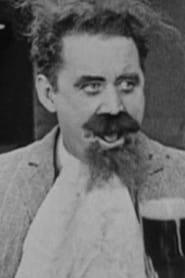
John Rand
Actor
Born: November 12, 1871 in New York City, New York, USA Died: January 25, 1940 Active: 1914-1928 Birth Name: John Francis Rand
Films
15 films

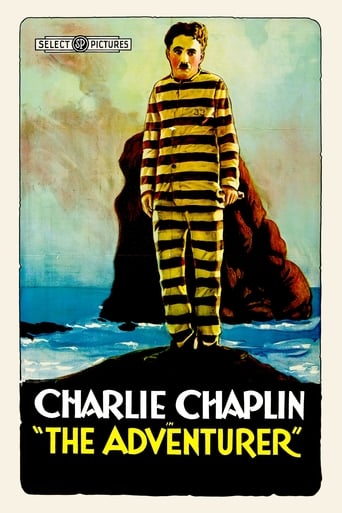
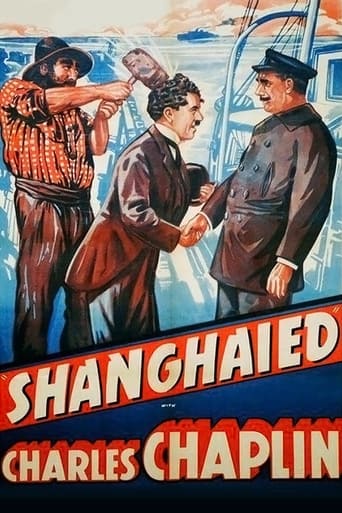
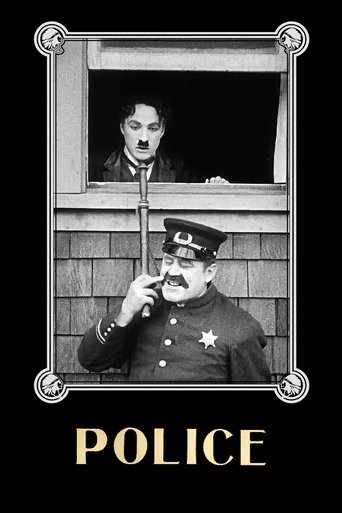
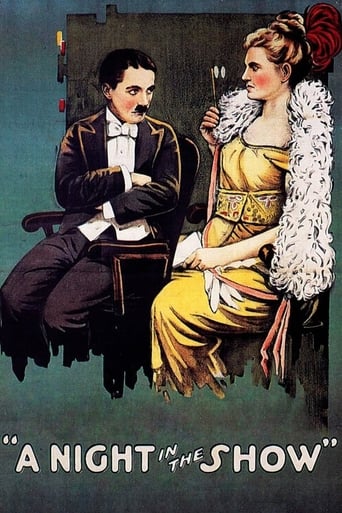
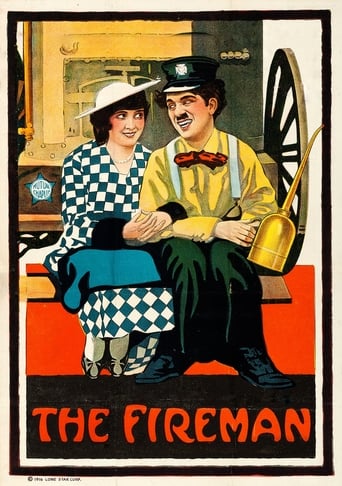
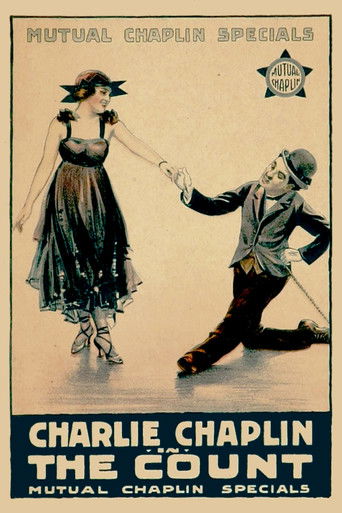
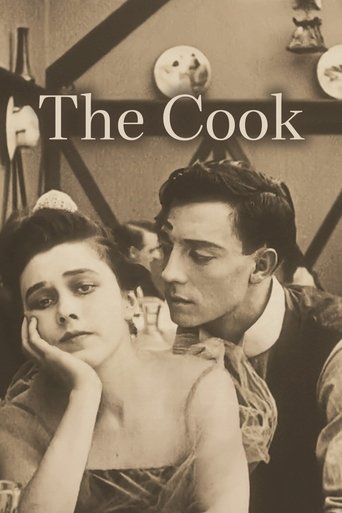
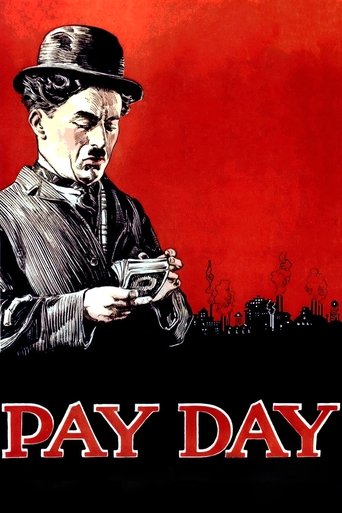
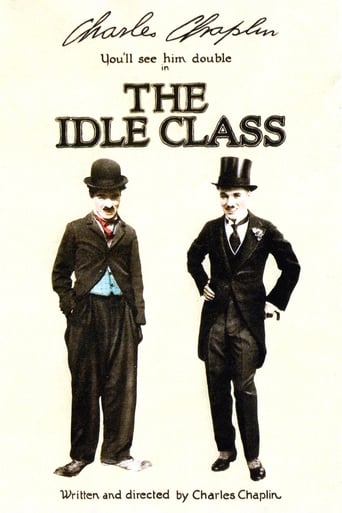
About John Rand
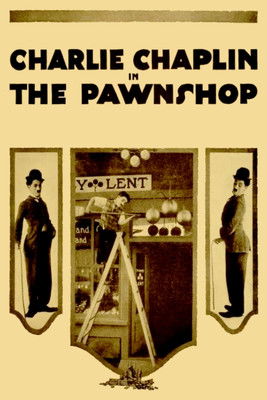
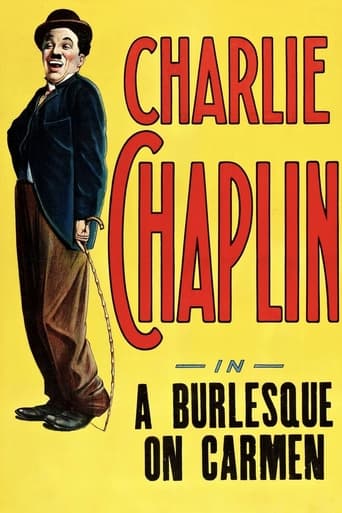
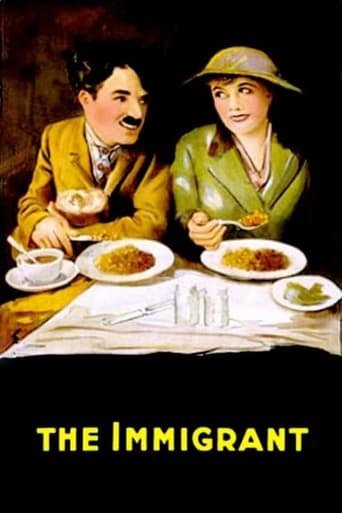
Prolific American character actor during the silent film era, best known for his frequent collaborations with Charlie Chaplin in the mid-1910s. Born in 1871, Rand began his film career with Chaplin at the Essanay Studios in 1914, appearing in numerous short comedies where he often played authority figures, wealthy patrons, or comic foils to Chaplin's Tramp character. His distinctive appearance, typically featuring a prominent mustache and formal attire, made him instantly recognizable to audiences of the era. Rand's ability to effectively portray both comedic and serious roles made him a valuable supporting player in Chaplin's ensemble casts. Beyond his work with Chaplin, Rand appeared in films for other major studios including Keystone and Mutual, though his most memorable performances remain those in Chaplin's classics like 'The Pawnshop' and 'A Night in the Show'. His the entire silent period, from 1914 through 1928, after which he appears to have retired from the film industry as the transition to sound began. Rand's contributions to early comedy cinema, while often overlooked, provided essential support to Chaplin's genius during his formative years as a filmmaker.
The Craft
On Screen
Rand specialized in portraying upper-class gentlemen, authority figures, and comic foils with a deadpan, straight-faced delivery that perfectly complemented Chaplin's physical comedy. His style was characterized by minimalistic yet effective reactions, using subtle facial expressions and body language to enhance comedic situations. He had a particular talent for playing pompous characters who would inevitably be humbled or outwitted by Chaplin's Tramp, creating the perfect comedic contrast.
Milestones
- Signed with Charlie Chaplin at Essanay Studios (1914)
- Appeared in 12+ Chaplin shorts during 1914-1916
- Transitioned to Mutual Film Corporation with Chaplin
- Worked with other major comedy directors of the era
- Established himself as a reliable character actor in silent comedies
Best Known For
Iconic Roles
Must-See Films
Accolades
Special Recognition
- Recognized as a key supporting player in Chaplin's early filmography by film historians
Working Relationships
Worked Often With
Studios
Why They Matter
Impact on Culture
John Rand's contributions to early cinema, while often overlooked, were significant in helping establish the template for comedy ensemble work in silent films. His consistent presence in Chaplin's formative years provided the necessary straight-man foundation that allowed Chaplin's genius to shine, demonstrating the importance of supporting actors in creating comedic masterpieces. Rand represented the professional character actors who formed the backbone of early Hollywood, bringing reliability and craft to productions that were rapidly evolving the language of cinema. His work helped audiences of the 1910s understand and appreciate the nuanced dynamics of ensemble comedy, influencing how supporting roles would be cast and performed in subsequent decades.
Lasting Legacy
John Rand's legacy endures through his surviving performances in some of Charlie Chaplin's most celebrated early works. Film historians and Chaplin scholars recognize him as an essential part of Chaplin's creative team during his Essanay and Mutual periods, a time when Chaplin was perfecting his craft and developing the character that would make him a global icon. While never achieving star status himself, Rand's contributions to these foundational comedy films have been preserved through film restoration projects and home video releases, allowing new generations to appreciate his subtle yet vital contributions to early cinema. His career shows the importance of character actors in creating enduring works of art.
Who They Inspired
Rand's approach to playing straight-man roles influenced generations of comedy supporting actors who followed. His ability to maintain dignity and composure while surrounded by chaos set a standard for ensemble comedy performance that would be emulated by actors like Edgar Kennedy and Margaret Hamilton in later years. His work demonstrated that effective comedy often depends on the contrast between the absurd and the serious, a principle that continues to guide comedy filmmaking today.
Off Screen
John Rand led a relatively private life outside of his film career. Born in New York City, he was in his early forties when he began his film career, unusually old for an actor starting in the new medium of motion pictures. He married actress and frequent Chaplin collaborator Edna Purviance's sister, though details about this relationship remain scarce. Rand appears to have transitioned smoothly into retirement after his film career ended, living his later years away from the Hollywood spotlight. He passed away in 1940 at the age of 68, just as the film industry he helped establish was entering a new era.
Education
Educational background not documented in available historical records
Family
- Details not widely documented in historical records
Did You Know?
- Was already in his 40s when he began his film career, making him one of the older actors to start in silent films
- Appeared in more than a dozen of Chaplin's films during their most productive period together
- Often played characters who would be physically abused or humiliated by Chaplin's Tramp
- His distinctive mustache became almost as recognizable as Chaplin's in early comedy shorts
- Worked with Chaplin during the transition from Essanay to Mutual studios
- Unlike many Chaplin regulars, Rand did not continue working with Chaplin into his feature film era
- His film career ended just as sound films were becoming dominant in Hollywood
- Was part of the stock company of actors that Chaplin relied upon for consistent performance quality
- His real name was John Francis Rand, though he always performed as simply 'John Rand'
- Died relatively unknown to the public despite his contributions to some of cinema's most beloved early comedies
In Their Own Words
No documented famous quotes from John Rand, as was common for supporting actors of the silent era who rarely gave interviews or had speaking roles
Frequently Asked Questions
Who was John Rand?
American character with credits in this catalog. He often played authority figures and wealthy patrons, serving as the perfect straight man to Chaplin's comedic antics.
What films is John Rand best known for?
Titles linked here include The Pawnshop (1916), A Night in the Show (1915).
When was John Rand born and when did he die?
Born November 12, 1871; died January 25, 1940.
What awards did John Rand win?
John Rand did not receive any major awards during his career, which was common for supporting character actors of the silent era. However, he is recognized by film historians as an important contributor to Chaplin's early success.
What was John Rand's acting style?
Rand specialized in deadpan, straight-faced performances that provided perfect contrast to Chaplin's physical comedy. He excelled at playing dignified, pompous characters who would be systematically undermined by Chaplin's antics, using subtle reactions and minimal movement to maximize comedic effect.