
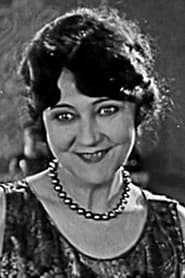
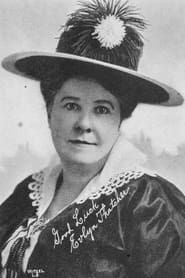

The Count
"Two men, one count's invitation"
Keys: Space play/pause · ←/→ 10s · F fullscreen · M mute · </> speed
About this film
Fired apprentice and tailor both impersonate Count Broko at a dance after the real count sends regrets. Chaplin's Mutual short multiplies mistaken identity inside a mansion party.
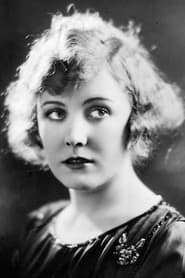
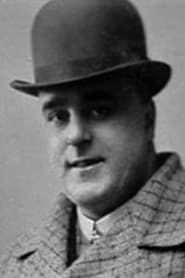
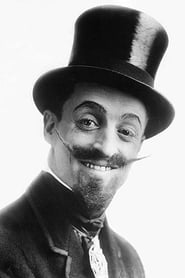
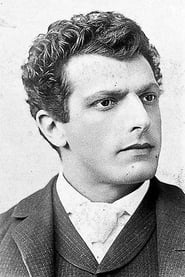
Cast & crew
More Comedy films
View all →






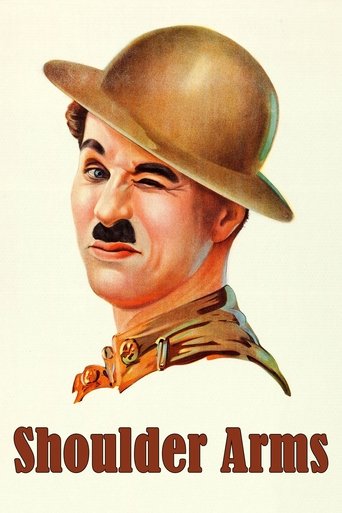
More from Charlie Chaplin
View all →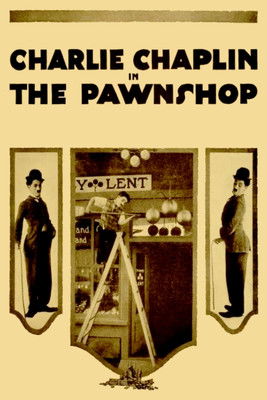


More about this film
About the production
Release dateSeptember 4, 1916
BudgetApproximately $10,000-$15,000 (typical for Chaplin's Mutual films, though exact figure not documented)
Box officeExact figures not documented, but Chaplin's Mutual films were highly profitable and this was commercially successful
ProductionMutual Film Corporation
Filmed inLone Star Studio, Los Angeles, California
This was Chaplin's fifth film for Mutual Film Corporation, part of his groundbreaking 12-film contract worth $670,000. The production took advantage of the studio's elaborate ballroom set, which was constructed specifically for the release. Chaplin spent considerable time rehearsing the dance sequences, which required precise timing and coordination among the cast. The film was shot during a particularly creative period in Chaplin's career when he was perfecting his signature blend of comedy and social commentary.
Themes
Social class consciousnessPretension and authenticityIdentity and disguiseSocial climbingThe absurdity of social conventions
Themes & topics
tailorcountimpersonationdance partymistaken identitysocial climbingironing accidentballroomcomedy of errorsclass satire
Historical background
The Count (1916) reached audiences during the silent feature period, when exhibitors mixed shorts and features on the same program.
Why this film matters
Historians retain The Count as a record of how filmmakers in 1916 addressed popular genres.
Making of
The making of 'The Count' occurred during what film historians often call Chaplin's golden period at Mutual. With complete creative control and a substantial budget, Chaplin was able to perfect his craft without studio interference. The production was marked by Chaplin's meticulous attention to detail and his insistence on multiple takes to achieve the perfect comedic timing. Eric Campbell, who stood 6'5" and weighed nearly 300 pounds, created a perfect physical contrast to Chaplin's diminutive Tramp character, and their scenes together required careful choreography. The elaborate ballroom sequence was particularly challenging to film, requiring coordination among dozens of extras and precise timing for the various comedic reveals. Chaplin reportedly spent hours working with Edna Purviance on her dance movements to ensure they complemented the physical comedy. The film's production also benefited from the technical resources Mutual provided, including improved lighting equipment that allowed for more sophisticated visual effects than Chaplin had access to in his earlier films.
What critics said
Trade coverage from 1916 treated The Count as program material; later writers evaluate it through preservation and genre context.
Did you know?
- This was one of twelve films Charlie Chaplin made for Mutual Film Corporation during what many consider his most creatively fertile period (1916-1917)
- Eric Campbell, who plays the tailor, was Chaplin's regular antagonist during the Mutual period, appearing in eleven of the twelve films
- The film's ballroom set was among the leading elaborate constructed for a Chaplin short up to that time
- Chaplin reused and refined several gags from his earlier Keystone and Essanay films, showing his evolution as a filmmaker
- The character of Miss Moneybags represents Chaplin's recurring theme of critiquing social class distinctions
- The dance sequence took three days to film due to its complex choreography and the need for precise comedic timing
- the release features Chaplin's growing confidence as a director, with more sophisticated camera movements and editing techniques than his earlier works
- The film was part of a package that Mutual distributed internationally, helping establish Chaplin as a global superstar
- Chaplin's contract with Mutual gave him complete creative control, which was unprecedented for the time
- The title sequence featured innovative animation techniques that were ahead of their time
Visual style
The cinematography in 'The Count' was handled by William C. Foster and Roland Totheroh, Chaplin's regular cameramen during this period. The film demonstrates significant technical advancement over Chaplin's earlier works, with more sophisticated use of lighting to create atmosphere in the ballroom scenes. The camera work includes more dynamic movements than typical of the period, with carefully tracked shots during the dance sequences. The film makes effective use of deep space composition, particularly in scenes where multiple characters interact simultaneously across different planes of action. The lighting design creates a rich, textured look that enhances the film's more elaborate production values. The cinematography also shows Chaplin's growing understanding of how visual composition could enhance comedic timing and narrative clarity.
Innovations
'The Count' showcased several technical innovations for its time. The film's elaborate ballroom set represented among the leading sophisticated constructions for a comedy short up to that point. The lighting techniques used to create the party atmosphere were advanced for 1916, demonstrating the growing sophistication of film lighting. The film's editing shows more complex patterns than typical of the period, with better integration of multiple storylines and more refined comedic timing. The dance sequences required precise coordination between camera movement and performer choreography, representing an advancement in how complex action scenes were filmed. The film also demonstrates improved continuity editing and more sophisticated use of intertitles to advance the narrative. These technical achievements reflect both Chaplin's growing mastery of the film medium and the increasing resources available to him through his Mutual contract.
Music
As a silent film, 'The Count' originally had no synchronized soundtrack. However, it was typically accompanied by live musical performances in theaters, ranging from solo piano to full orchestras depending on the venue. The score would have been compiled from popular classical pieces and theater music of the period, with specific musical cues timed to the on-screen action. Modern restorations and releases have featured newly composed scores by various artists, including traditional piano accompaniment and orchestral arrangements. These contemporary scores attempt to capture the spirit of 1916 theater music while enhancing the film's comedic and dramatic moments. The absence of dialogue in the film makes the visual comedy and physical performances particularly crucial, and the musical accompaniment plays a vital role in setting the tone and pacing of the narrative.
Famous quotes
(Intertitle) Count Broko regrets that he is unable to attend the ball this evening
(Intertitle) You're fired! Get out of my shop!
(Intertitle) A count's clothes... and a count's party... why not?
Memorable scenes
- The opening sequence where Charlie burns the count's clothes while ironing, featuring Chaplin's signature physical comedy and escalating disaster
- The elaborate ballroom dance sequence where both imposters attempt to maintain their disguises while increasingly chaotic situations unfold
- The final reveal scene where both the tailor and apprentice are exposed as frauds, leading to comic humiliation and resolution
What audiences thought
The film was enthusiastically received by audiences upon its release, with theaters reporting packed houses and repeat viewings. Chaplin's popularity was at its zenith during this period, and each new Mutual film was eagerly anticipated by the public. 'The Count' particularly resonated with audiences who appreciated its satirical take on social climbing and the elaborate production values. The dance sequence became among the leading discussed scenes from Chaplin's 1916 output. Audience feedback letters and contemporary accounts suggest that viewers appreciated both the physical comedy and the underlying social commentary. The film's success contributed to the overall profitability of Chaplin's Mutual contract and helped cement his status as the world's most popular entertainer.
Film connections
Influenced by
- Earlier Chaplin shorts that he refined and improved upon
- French and English music hall traditions
- Commedia dell'arte character archetypes
- Mack Sennett's Keystone comedy style (which Chaplin evolved beyond)
- Social satire from European literature and theater
This film influenced
- Later Chaplin films that explored similar themes of social class
- Buster Keaton's 'The Navigator' (similar themes of mistaken identity)
- Harold Lloyd's social climbing comedies
- Numerous later films about imposters and social pretension
Film restoration
The film has survived in excellent condition and has been professionally restored. It is part of the Chaplin film collection preserved by the Cineteca di Bologna and The Chaplin Revue. Multiple high-quality versions exist, including restorations from original negatives and prints. The film is considered to be in good preservation status with no risk of being lost.
Where to watch
- The Criterion Collection (Chaplin Mutual Films box set)
- Kino Lorber Blu-ray releases
- Various streaming platforms including The Criterion Channel
- Public domain versions on YouTube and Internet Archive
- Film archives and museum collections
- The Chaplin Office official releases