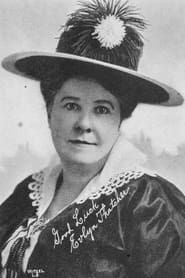
Eva Thatcher
Actor
Born: May 29, 1869 in Omaha, Nebraska, USA Died: October 27, 1942 Active: 1916-1921
Films
5 films
About Eva Thatcher
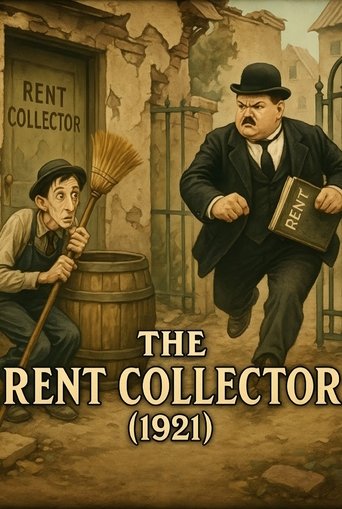
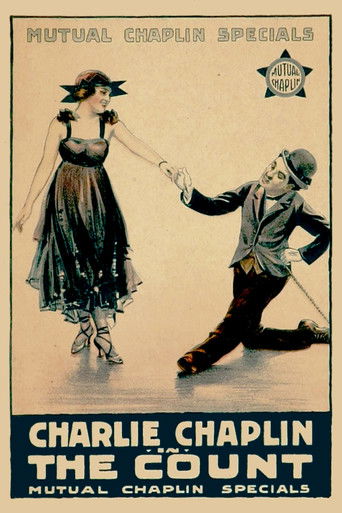
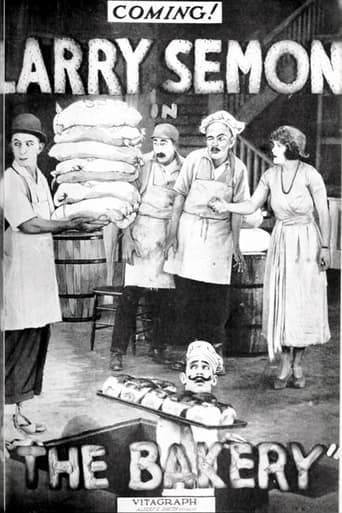
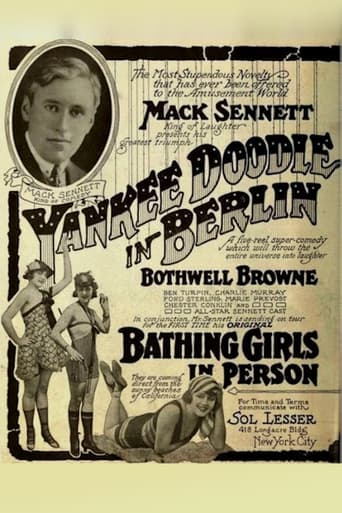
Prolific American actress during the silent film era, primarily known for her work in comedy shorts and feature films throughout the late 1910s and early 1920s. She began her film career in 1916 with appearances in productions like 'The Count,' quickly establishing herself as a reliable character actress in the burgeoning Hollywood studio system. Thatcher worked extensively with prominent comedy studios of the era, particularly with Mack Sennett's Keystone Studios and Hal Roach Studios, where she often played supporting roles alongside some of the biggest comedy stars of the period. Her filmography includes numerous one and two-reel comedies where she frequently portrayed mothers, housewives, and various comedic supporting characters. By 1921, she had appeared in dozens of films including notable works like 'Yankee Doodle in Berlin' (1919), 'Hearts and Flowers' (1919), 'The Rent Collector' (1921), and 'The Bakery' (1921). While her career was relatively brief, spanning roughly five years, Thatcher — recognizable face to silent film audiences and contributed significantly to the comedy genre during its formative years. Her disappearance from film credits after 1921 suggests she may have retired from acting or transitioned to other pursuits as the film industry evolved toward sound pictures.
The Craft
On Screen
Eva Thatcher specialized in character acting within the comedy genre, employing the exaggerated physical gestures and facial expressions typical of silent film performance. Her style was rooted in theatrical traditions adapted for the camera, where she often played matronly figures with a flair for comedic timing. Thatcher's performances relied heavily on pantomime and visual comedy, utilizing props and physical interactions to convey humor and character development.
Milestones
- Film debut in 'The Count' (1916)
- Prolific work in comedy shorts during late 1910s
- Supporting roles in major comedy productions
- Work with prominent comedy studios of the era
Best Known For
Iconic Roles
Must-See Films
Working Relationships
Worked Often With
Studios
Why They Matter
Impact on Culture
Eva Thatcher contributed to the development of American silent comedy during its golden age, participating in the creation of the visual language and comedic techniques that would influence generations of filmmakers. Her work in the numerous comedy shorts of the late 1910s helped establish the template for domestic and situational comedy in film, particularly in the portrayal of family dynamics and everyday humor. As an older actress entering the industry, Thatcher also demonstrated that character actors could find meaningful work in Hollywood beyond the typical age constraints of leading roles.
Lasting Legacy
Though largely forgotten by modern audiences, Eva Thatcher's legacy survives through the dozens of silent comedies that have been preserved in film archives and collections. Her performances serve as valuable examples of the acting techniques and comedic styles of the silent era, providing insight into how humor was constructed and communicated visually before the advent of sound. Film historians and silent cinema enthusiasts recognize Thatcher as part of the essential supporting cast that made the comedy machines of studios like Keystone and Hal Roach function effectively.
Who They Inspired
Thatcher's work as a character actress in silent comedies influenced subsequent generations of supporting players in film comedy, particularly in establishing the importance of reliable character actors in ensemble productions. Her ability to quickly establish character through visual means set standards for efficiency in short-form comedy filmmaking that would continue through the studio system era.
Off Screen
Eva Thatcher was born in Omaha, Nebraska, in 1869, making her significantly older than many of her contemporaries in the film industry when she began her acting career in her late 40s. She spent her final years in Los Angeles, California, where she passed away in 1942 at the age of 73. Despite her relatively brief but prolific film career, Thatcher maintained a private personal life away from the public eye, with limited documentation about her family relationships or activities outside of her film work.
Did You Know?
- Began her film career at the relatively advanced age of 47
- Appeared in over 50 films during her brief five-year career
- Often played characters much older than her actual age
- Was part of the transition from theatrical to film acting techniques
- Worked with some of the biggest comedy stars of the silent era
- Her film career ended just as the industry was transitioning toward sound
- Many of her films are now considered lost, a common fate for silent shorts
- Was sometimes credited as 'Mrs. Eva Thatcher' in earlier films
- Specialized in domestic comedy roles that reflected changing American family dynamics
- Her active years covered the period when Hollywood was establishing itself as the center of American film production
Frequently Asked Questions
Who was Eva Thatcher?
American silent film actress active from 1916 to 1921, known primarily for her work in comedy shorts. She appeared in dozens of films during her career, often playing mother figures and other supporting character roles in productions by major comedy studios of the era.
What films is Eva Thatcher best known for?
Titles linked here include The Count (1916), Yankee Doodle in Berlin (1919).
When was Eva Thatcher born and when did she die?
Born May 29, 1869; died October 27, 1942.
What awards did Eva Thatcher win?
Eva Thatcher did not receive any major awards or nominations during her career, which was common for supporting actors in the silent film era. The Academy Awards were not established until 1929, after her film career had ended, and recognition for character actors was limited during her active years.
What was Eva Thatcher's acting style?
Eva Thatcher specialized in character acting within the silent comedy genre, using exaggerated physical gestures and facial expressions typical of the era. Her style relied heavily on pantomime and visual comedy, often portraying matronly figures with comedic timing in domestic situations.