
The Rent Collector
"Semon and Hardy turn rent collection into slapstick chaos"
Keys: Space play/pause · ←/→ 10s · F fullscreen · M mute · </> speed
About this film
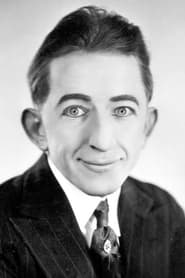
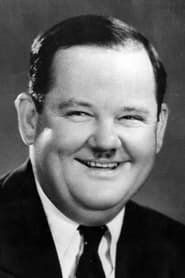
Larry Semon and Oliver Hardy headline a Vitagraph slapstick short spun from rent-collection routines.
Cast & crew
More films like this

More Comedy films
View all →







More from Larry Semon
View all →

More about this film
About the production
Release dateMarch 13, 1921
Box officeBox office figures not specifically recorded for this individual short comedy, but Semon's films were generally profitable for Vitagraph Studios
ProductionVitagraph Studios
Filmed inVitagraph Studios, Brooklyn, New York
This was one of the early collaborations between Larry Semon and Oliver Hardy, before Hardy's famous partnership with Stan Laurel. The film was produced during Semon's peak period at Vitagraph, where he was one of their most valuable comedy stars. The production utilized typical studio sets representing apartment interiors and urban streets, with extensive use of physical props for slapstick gags.
Themes
Economic pressure and financial hardshipClass conflict between landlords and tenantsPersistence and determinationRomantic complications in everyday lifeUrban living and apartment culture
Themes & topics
rent collectionphysical comedyslapstickchase sequenceapartment buildingtenant-landlord conflictromancemistaken identityathletic comedyurban setting
Historical background
The Rent Collector (1921) circulated in the silent era. The Rent Collector is a 1921 American silent comedy film featuring Larry Semon & Oliver Hardy Contemporary trade papers and later preservation notes document its place among nickelodeon and cinema-club programs.
Why this film matters
The Rent Collector remains accessible to researchers and viewers as a comedy short in museum, archive, and streaming collections. Programmers cite it when tracing regional production history and surviving early prints.
Making of
The Rent Collector was produced during Larry Semon's most prolific period at Vitagraph Studios, where he had almost complete creative control over his films. Semon was known for his demanding physical comedy routines that often required multiple takes and precise timing. Oliver Hardy, who was still building his career before meeting Stan Laurel, played the heavy or antagonist role in many of Semon's films, developing the comic timing and expressions that would later make him famous. The production team utilized Vitagraph's extensive studio facilities, including their famous Brooklyn backlot which could simulate urban environments. The film's gags were carefully choreographed, with Semon often performing dangerous stunts himself. The chemistry between Semon and Hardy was evident even in these early collaborations, though their dynamic was different from the later Laurel and Hardy partnership. The filming process was typical of the era, with long takes and minimal camera movement, relying entirely on the performers' physical abilities to create comedy.
What critics said
Day-one reviews for The Rent Collector are sparse in digitized press archives; later criticism treats it as a reference point for 1921 cinema programming and preservation.
Did you know?
- This was one of over a dozen films Larry Semon and Oliver Hardy made together before Hardy teamed up with Stan Laurel
- Larry Semon was not only the star but also the director and writer of this film, typical of his creative control during this period
- The film was released just as Semon was transitioning from shorts to feature-length productions
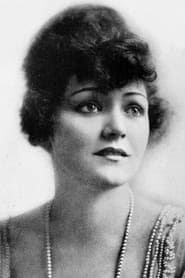
- Norma Nichols, the female lead, was married to comedy actor Harry Langdon during this period
- Vitagraph Studios was one of the oldest film production companies in America, founded in 1897
- The rent collection premise was a common comedic setup in silent films, playing on the universal tension between landlords and tenants
- Semon's athletic background in vaudeville heavily influenced his physical comedy style in this film
- The film was shot during the winter of 1920-1921, which sometimes limited outdoor shooting
- This film is part of a series of Semon comedies that featured him in various working-class roles
- Oliver Hardy's character was still developing the persona that would later make him famous with Laurel
Visual style
The cinematography in The Rent Collector was typical of Vitagraph's production style in the early 1920s, featuring clear, well-lit compositions that prioritized visibility of the physical comedy. The camera work was relatively static by modern standards, with long takes that allowed the performers to execute their gags without interruption. The film used standard medium shots for dialogue scenes and wider shots for the physical comedy sequences, ensuring that all the action was clearly visible to the audience. The cinematographer employed basic techniques like tracking shots for chase sequences, though these were limited by the technology of the time. The lighting was bright and even, characteristic of studio productions of the era, which helped emphasize the visual gags and expressions. The film's visual style prioritized clarity and functionality over artistic experimentation, as was common for comedy shorts of this period.
Innovations
The Rent Collector employed standard film technology for its time, using 35mm film with an aspect ratio of 1.33:1. The film was shot at the standard silent frame rate of approximately 16-18 frames per second. The production utilized Vitagraph's studio facilities and equipment, including their camera and lighting setups. While not technically innovative, the film demonstrated sophisticated use of editing for comedy timing, with cuts timed to enhance the effectiveness of gags. The stunt work and physical comedy sequences required careful planning and execution, representing a high level of technical skill in performance choreography. The film's special effects were limited to basic practical effects common to the era, such as breakaway props and carefully timed falls. The production quality was consistent with Vitagraph's standards as an established studio, showing the professionalism that had kept them competitive since the early days of cinema.
Music
As a silent film, The Rent Collector was originally accompanied by live musical performance in theaters. The typical score would have been compiled from standard photoplay music libraries, with selections chosen to match the mood and action of each scene. Upbeat, lively music would have accompanied the comedy sequences, while more romantic themes would have supported scenes with Norma Nichols. The theater's organist or small orchestra would have had significant freedom in interpreting the film musically, though studios often provided cue sheets with suggested musical selections. No original composed score exists for this film, as was common for short comedies of the era. Modern screenings typically use period-appropriate compiled scores or newly composed music that reflects the style of early 1920s cinema accompaniment.
Famous quotes
Rent day is the worst day of the month!" - Larry Semon's character
You'll get your rent when I say you'll get your rent!" - Oliver Hardy's character
A man's got to do what a man's got to do, even if it means collecting rent!
Memorable scenes
- The opening sequence where Larry Semon attempts to collect rent from his first tenant, featuring an elaborate series of failed attempts and physical gags. The scene showcases Semon's athletic comedy style as he climbs, falls, and contorts his way through the apartment, setting the tone for the entire film.
What audiences thought
Audiences in 1921 responded positively to The Rent Collector, as evidenced by its successful theatrical run and continued booking in various markets. Larry Semon had developed a loyal fanbase who appreciated his athletic comedy style and elaborate gag sequences. The film's premise of rent collection struck a chord with working-class viewers who could relate to the economic pressures depicted. The combination of Semon's manic energy and Hardy's formidable presence created a dynamic that audiences found entertaining. While not as universally beloved as the works of Chaplin or Keaton, Semon's films consistently drew crowds and were profitable for theaters. Modern audiences who have seen the film through archival screenings or home video releases generally appreciate it as a representative example of early 1920s comedy, though some contemporary viewers find the pacing slower than modern comedies.
Film connections
Influenced by
- Vaudeville comedy traditions
- Mack Sennett's Keystone comedy style
- Chaplin's tramp character structure
- Buster Keaton's deadpan reaction shots
- Harold Lloyd's everyman comedy approach
This film influenced
- Later Laurel and Hardy tenant-themed comedies
- The Three Stooges' apartment building shorts
- Abbott and Costello's rent collection routines
- Jackie Chan's modern physical comedy in urban settings
Film restoration
The Rent Collector is believed to be a lost film, as no complete copies are known to exist in major film archives. This status is unfortunately common for Vitagraph shorts from this period, as many of the studio's nitrate films were not preserved during the transition to sound or were lost in studio fires. Some film historians hold hope that a copy may exist in private collections or in archives that haven't been fully catalogued. Fragments or still photographs from the film may exist in various collections, but the complete work is currently considered lost to cinema history.
Where to watch
- Currently unavailable for viewing due to lost film status. Film enthusiasts can research the film through historical archives, film history books, and academic papers that may contain descriptions or stills from the production. The Library of Congress and other film preservation organizations should be monitored for any potential rediscovery of this title.