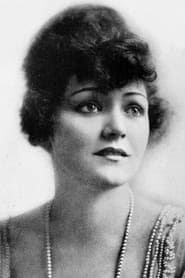
Norma Nichols
Actor
Born: 1894 in Los Angeles, California, USA Died: 1970 Active: 1914-1921
Films
6 films

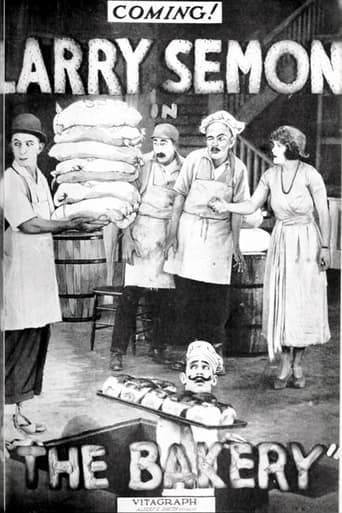
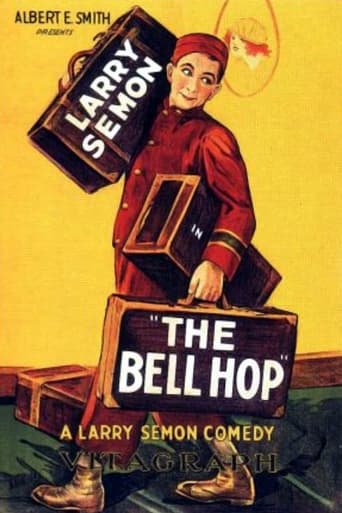
About Norma Nichols
American actress who flourished during the silent film era, primarily known for her work in comedy shorts. She began her career in 1914, appearing in several notable Keystone comedies alongside some of the era's biggest stars. Nichols worked frequently with comedy legends like Charlie Chaplin and Roscoe 'Fatty' Arbuckle, showcasing her comedic timing and expressive acting style that was essential for silent film performance. Her most productive period was between 1914 and 1915, when she appeared in multiple short films for Keystone Studios. She continued acting through the early 1920s, though her film appearances became less frequent as the decade progressed. Nichols was part of the golden age of silent comedy, contributing to the development of cinematic comedy techniques that would influence generations of filmmakers. Her the transitional period of American cinema, from the early days of short one-reelers to more sophisticated feature-length productions.
The Craft
On Screen
Norma Nichols embodied the classic silent film acting style characterized by exaggerated facial expressions and physical comedy. Her performances were marked by expressive gestures and pantomime skills essential for conveying emotion and humor without dialogue. Nichols had a particular talent for comedic timing, often playing the straight woman to male comedians' antics while still contributing to the humor through subtle reactions. Her screen presence was lively and engaging, typical of the Keystone style that emphasized rapid pacing and visual gags.
Milestones
- Appeared in multiple Charlie Chaplin Keystone comedies
- Worked with Roscoe 'Fatty' Arbuckle in several films
- Part of the Keystone Studios comedy troupe
- Transitioned from supporting roles to more prominent parts in comedy shorts
- Appeared in over 30 silent films during her career
Best Known For
Iconic Roles
Must-See Films
Accolades
Special Recognition
- Contributor to the golden age of silent comedy
Working Relationships
Worked Often With
Studios
Why They Matter
Impact on Culture
Norma Nichols contributed to the development of American film comedy during its most formative period. As part of the Keystone Studios ensemble, she helped establish the visual language of slapstick comedy that would influence generations of comedians and filmmakers. Her work with Charlie Chaplin during his early career at Keystone places her among the performers who helped shape one of cinema's most iconic figures. The rapid-fire pacing and physical comedy style she participated in became hallmarks of American comedy cinema, influencing everything from the Marx Brothers to modern comedy films.
Lasting Legacy
Though not as widely remembered as some of her contemporaries, Norma Nichols represents the countless talented performers who formed the backbone of early Hollywood's comedy machine. Her appearances in historically significant films like Chaplin's Keystone shorts ensure her place in film history archives. Nichols exemplifies the journey of many silent era actors who contributed to cinema's artistic development during its experimental phase. Her work serves as a valuable record of early 20th century performance styles and the collaborative nature of studio filmmaking during Hollywood's golden age.
Who They Inspired
Norma Nichols influenced subsequent generations of character actresses in comedy through her work in ensemble casts. Her ability to support lead comedians while maintaining her own comic presence demonstrated the importance of well-cast supporting players in successful comedy productions. The techniques she employed in silent comedy - particularly the use of facial expression and physical timing - continued to influence performers long after the silent era ended. Her collaborations with comedians helped establish templates for comedic ensemble work that remain relevant in contemporary comedy filmmaking.
Off Screen
Norma Nichols was born and raised in Los Angeles, placing her at the epicenter of the emerging film industry during its formative years. She came of age during the period when Hollywood was transforming from a sleepy suburb to the entertainment capital of the world. Like many actors of her era, her personal life remained relatively private, with most public attention focused on her film work rather than her off-screen activities. She witnessed the dramatic evolution of cinema from silent shorts to the advent of sound, though her career concluded before the transition to talkies was complete.
Did You Know?
- Appeared in multiple films with Charlie Chaplin during his Keystone period
- Part of the original Keystone Studios comedy troupe under Mack Sennett
- Her active years covered the peak years of silent comedy (1914-1921)
- Worked with both Chaplin and Arbuckle, two of the era's biggest comedy stars
- Appeared in over 30 films, though many are now lost
- Typically played supporting roles rather than leads
- Her film career ended before the transition to sound pictures
- Was part of the Hollywood community during its formative years in Los Angeles
- Contributed to the development of slapstick comedy techniques
- Worked during the period when film was establishing itself as a major art form
Frequently Asked Questions
Who was Norma Nichols?
American silent film actress active from 1914 to 1921, best known for her work in comedy shorts at Keystone Studios alongside Charlie Chaplin and Roscoe Arbuckle.
What films is Norma Nichols best known for?
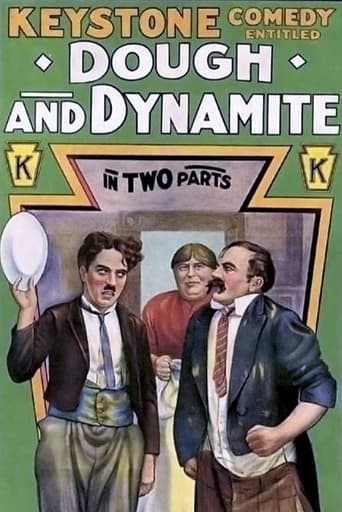
Titles linked here include Dough and Dynamite (1914), The Property Man (1914).
When was Norma Nichols born and when did she die?
Born 1894; died 1970.
What awards did Norma Nichols win?
Norma Nichols did not receive formal awards during her career, as this was before the establishment of most film awards, though she is recognized as an important contributor to silent comedy history.
What was Norma Nichols's acting style?
She employed classic silent film acting techniques with exaggerated facial expressions and physical comedy, specializing in comedic timing and expressive gestures essential for conveying humor without dialogue.
Did Norma Nichols work with any famous directors?
Yes, she worked extensively with Mack Sennett, the comedy director who founded Keystone Studios and essentially invented American film comedy.
Why did Norma Nichols's career end in 1921?
Like many silent era actors, her career concluded as the film industry evolved and new stars emerged, though she had already established a significant body of work during comedy's golden age.
Is Norma Nichols related to other famous Nichols in Hollywood?
There is no documented familial relationship between Norma Nichols and other Hollywood figures with the same surname; she was an independent talent of the silent era.