

The Property Man
"Curtain up, chaos backstage"
Keys: Space play/pause · ←/→ 10s · F fullscreen · M mute · </> speed
About this film
Charlie Chaplin's property man battles actors, luggage, and star dressing rooms before curtain. Charlie is in charge of stage props and has trouble with actors' luggage and conflicts over who gets the star's dressing room. Once all that is resolved the next issue is getting everyone on stage with the correct backdrop.
Cast & crew
More films like this

More Comedy films
View all →







More from Charlie Chaplin
View all →


More about this film
About the production
Release dateAugust 3, 1914
ProductionKeystone Film Company
Filmed inLos Angeles, California, Keystone Studios, Edendale, California
The Property Man was one of over 30 short films Chaplin made during his single year with Keystone Studios in 1914. The film was shot quickly, as was typical for Keystone productions, with most scenes completed in one or two takes. The theatrical setting allowed Chaplin to explore physical comedy within the confines of a backstage environment, utilizing props, curtains, and theatrical equipment as comic devices. The film showcases Chaplin's early development of his Tramp character, though not yet fully refined into the iconic figure he would become. The production design included a detailed stage set complete with backdrops, props, and dressing rooms to create the authentic theatrical atmosphere.
Themes
Workplace comedyChaos vs. orderPerformance and identityBehind-the-scenes realityCompeting egos
Themes & topics
property managertheaterbackstageluggagedressing roompropsbackdropchaosconflictperformanceslapstickmistaken identityphysical comedyworkplacetheatrical troupe
Historical background
1914 placed The Property Man within United States cinema as Keystone Film Company navigated wartime markets, immigration audiences, and the shift from intertitles to sound.
Why this film matters
Archivists revisit The Property Man (1914) for Charlie Chaplin style, genre norms at Keystone Film Company, and the exhibition context of 16 minutes programming.
Making of
The Property Man was produced during Chaplin's incredibly prolific period at Keystone, where he was making multiple films per month. Director Mack Sennett gave Chaplin considerable creative freedom, allowing him to develop his comedic style and character. The film was shot on Keystone's studio stages in Edendale, which was then a rural area outside Los Angeles but is now part of the city. Chaplin was already beginning to assert control over his films, often improvising scenes and modifying scripts during shooting. The theatrical setting was chosen to maximize opportunities for physical comedy while keeping production costs low by using existing studio sets. Chaplin's method during this period involved extensive rehearsal of physical gags while allowing room for spontaneous comic discoveries during filming. The film's success helped establish Chaplin's reputation as a rising star in the rapidly growing motion picture industry.
What critics said
Retrospective writing on The Property Man stresses craft by Charlie Chaplin, print survival, and repertory value rather than opening-week gross alone.
Did you know?
- This was one of the first films where Chaplin played a character with a specific job rather than just a generic Tramp figure.
- The film was released just months after Chaplin's film debut, showing his rapid rise to stardom at Keystone.
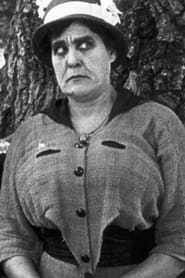
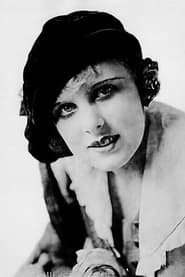
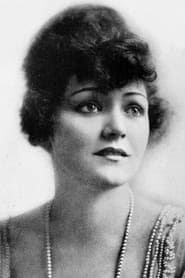
- Phyllis Allen, who appears in the film, would become a frequent Chaplin collaborator, appearing in over 20 of his films.
- The theatrical backdrop mishap gag was later reused and refined by Chaplin in his 1928 film 'The Circus'.
- The Property Man demonstrates Chaplin's early interest in the world of show business, a theme that would recur throughout his career.
- This film was part of a series where Chaplin played various working-class characters, establishing his connection with everyday struggles.
- The original film negative is believed to be lost, but copies survive through later prints and archives.
- The film was shot in just two days, typical of Keystone's rapid production schedule.
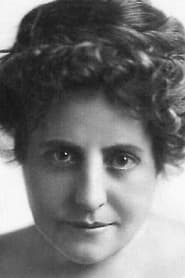
- Alice Davenport, who appears in the film, was a veteran actress who had been performing since the 1890s.
- The theatrical setting allowed Chaplin to incorporate meta-humor about the film industry itself.
Visual style
The cinematography in The Property Man was typical of Keystone productions in 1914, featuring static camera positions and wide shots to capture the physical comedy. The film was shot by Keystone regular cameramen who specialized in capturing slapstick action. The theatrical setting allowed for interesting depth of field compositions, with action occurring at various distances from the camera. The lighting was basic but effective, utilizing the natural light available in the studio and some artificial lighting to ensure visibility of the comic action. The camera work was functional rather than artistic, focusing on clearly presenting the gags and physical comedy rather than creating visual poetry. The film's visual style reflects the transitional nature of 1914 cinema, moving away from theatrical presentation toward more cinematic techniques while still maintaining many stage-like conventions.
Innovations
While The Property Man was not technically innovative for its time, it demonstrated effective use of existing film techniques to serve comedy. The film made good use of depth within the theatrical setting, allowing for multi-layered comic action. The editing was straightforward but effective, using cuts to enhance the timing of physical gags. The film utilized the confined space of the backstage area to create comedic tension and opportunities for physical comedy. The use of props and theatrical equipment as comic devices showed clever resourcefulness within the limitations of 1914 filmmaking. The film's success in creating sustained comic sequences demonstrated the growing sophistication of film comedy as a distinct art form separate from stage performance.
Music
As a silent film, The Property Man had no original synchronized soundtrack. During its initial theatrical run, the film would have been accompanied by live music, typically a pianist or small orchestra in the theater. The musical accompaniment would have consisted of popular songs of the era, classical pieces, and improvised music that matched the on-screen action. For comic moments, musicians would often use playful, upbeat tunes or well-known comedic themes. The theatrical setting might have inspired musicians to incorporate theatrical or circus-style music. Modern screenings of the film typically feature newly composed scores or period-appropriate music compiled by silent film accompanists. The lack of original music documentation is common for films of this period, as the musical accompaniment was left to individual theaters and musicians.
Famous quotes
(As a silent film, dialogue was conveyed through intertitles and physical expression rather than spoken dialogue)
Memorable scenes
- The chaotic luggage sequence where Charlie struggles to manage countless trunks and bags while actors demand their belongings
- The dressing room confrontation where Charlie attempts to mediate between competing actors
- The climactic backdrop scene where Charlie accidentally drops the wrong scenery during the performance
- The frantic backstage chase as Charlie tries to coordinate multiple elements simultaneously
- The final moments where the entire theatrical production collapses into comic disarray
What audiences thought
The Property Man was well-received by audiences in 1914, who were rapidly embracing Chaplin as a major comedy star. The film's theatrical setting and relatable workplace humor resonated with viewers of the period. Audiences particularly enjoyed Chaplin's physical comedy and the escalating chaos of the backstage mishaps. The film was successful enough to justify Keystone's continued investment in Chaplin, who was becoming one of their most valuable assets. Contemporary audience reactions, as reported in trade publications, indicated strong laughter and appreciation for Chaplin's comic inventiveness. The film contributed to the growing Chaplin craze that was sweeping America and would soon spread internationally. Modern audiences viewing the film through archival screenings and home media continue to find amusement in its timeless physical comedy and historical significance as an early Chaplin work.
Film connections
Influenced by
- Vaudeville comedy traditions
- Mack Sennett's Keystone style
- Max Linder's comedies
- Stage comedy conventions
- Music hall entertainment
This film influenced
- The Circus (1928)
- Behind the Screen (1916)
- A Night at the Opera (1935)
- Singin' in the Rain (1952)
- The Producers (1967)
Film restoration
The Property Man survives in various film archives and collections, though the original camera negative is believed to be lost. The film exists in 16mm and 35mm prints held by major archives including the Museum of Modern Art, the Library of Congress, and the British Film Institute. Multiple versions of varying quality exist, with some showing significant deterioration due to the age of the nitrate film stock. The film has been digitally restored by several organizations specializing in Chaplin's work. While not in pristine condition, sufficient quality prints exist for both scholarly study and public exhibition. The film is part of the public domain due to its age, making it widely available through various channels.
Where to watch
- YouTube (various public domain uploads)
- Internet Archive
- The Chaplin Revue DVD collections
- Kino Lorber's Chaplin at Keystone DVD set
- Flicker Alley streaming service
- Criterion Channel (occasionally)
- Various streaming platforms specializing in classic cinema
- Film archive websites and museum screenings