Jess Dandy
Actor
Born: 1873 in Boston, Massachusetts, United States Died: December 9, 1948 Active: 1914-1914 Birth Name: Jesse Dandy
Films
8 films



About Jess Dandy
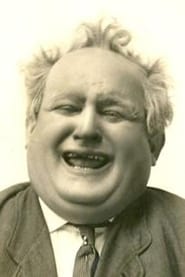
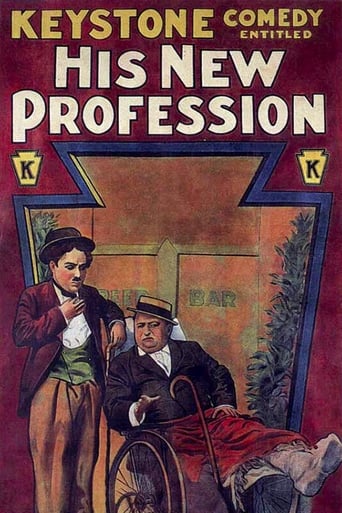
Prominent character actor during the early silent film era, best known for his collaborations with Charlie Chaplin at Keystone Studios in 1914. Standing as a large, imposing figure, Dandy specialized in playing authority figures, landlords, and comic antagonists who would often fall victim to Chaplin's comedic mischief. His brief but impactful primarily the year 1914, during which he appeared in numerous Keystone productions alongside Chaplin, Mabel Normand, and other early comedy stars. Dandy's physical presence and expressive face made him an ideal foil for Chaplin's diminutive Tramp character, creating memorable visual comedy through their size disparities. Despite his relatively short filmography, Dandy's performances helped establish the template for supporting characters in early comedy cinema. His work with Chaplin during this formative year contributed significantly to the development of cinematic comedy language. After 1914, Dandy largely disappeared from the film industry, making his contributions to early cinema both significant and tragically brief.
The Craft
On Screen
Jess Dandy employed a broad, physical acting style typical of early silent comedy, using his large stature and expressive facial features to create comic effect. His performances relied heavily on exaggerated gestures, facial expressions, and physical comedy to convey emotions and reactions to audiences without the benefit of dialogue. Dandy specialized in playing blustering authority figures who would be systematically undermined by Chaplin's antics, creating a classic comedy dynamic of the little man triumphing over the establishment. His style incorporated elements of vaudeville and stage comedy, adapted for the new medium of film.
Milestones
- Collaborated extensively with Charlie Chaplin at Keystone Studios
- Appeared in multiple Chaplin shorts during his breakthrough year of 1914
- Established the archetype of the comic antagonist in early film comedy
- Contributed to the development of visual comedy techniques in silent cinema
Best Known For
Iconic Roles
Must-See Films
Accolades
Special Recognition
- Recognized as an important contributor to early Charlie Chaplin comedies
Working Relationships
Worked Often With
Studios
Why They Matter
Impact on Culture
Jess Dandy played a significant role in establishing the conventions of early film comedy, particularly in his work as Charlie Chaplin's recurring antagonist. His performances helped create the template for the comic foil character that would become a staple of comedy cinema for decades to come. The physical contrast between Dandy's large frame and Chaplin's diminutive Tramp created visual gags that influenced generations of comedy filmmakers. Dandy's work contributed to the development of the comedy of humiliation, where authority figures are systematically undermined and brought down to size - a theme that would become central to Chaplin's social commentary in later films. His performances at Keystone Studios helped establish the fast-paced, gag-driven style that would define American comedy cinema throughout the silent era.
Lasting Legacy
Jess Dandy's legacy lies in his contributions to the foundational period of American comedy cinema, particularly his work with Charlie Chaplin during Chaplin's formative year at Keystone. While his name is not widely remembered today, film historians recognize his importance in helping establish the visual language of silent comedy. His performances serve as valuable examples of early comedy acting techniques and the development of character archetypes in film. Dandy represents the many talented character actors who were essential to the success of early cinema but whose names have been overshadowed by the stars they supported. His work continues to be studied by film scholars interested in the origins of cinematic comedy and the collaborative nature of early film production.
Who They Inspired
Jess Dandy influenced the development of the comic antagonist archetype in film comedy, establishing patterns that would be followed by countless character actors in subsequent decades. His work with Chaplin demonstrated the effectiveness of physical contrast in creating comedy, a technique that would be employed by comedy duos throughout film history. Dandy's style of broad, physical acting influenced the approach of many silent film comedians who followed, particularly in the realm of supporting character performance. His collaborations with Chaplin during this crucial developmental period helped shape the future of comedy cinema, even if his direct influence on later performers was primarily through the films themselves rather than personal mentorship.
Off Screen
Jess Dandy was born in Boston, Massachusetts, and began his career in vaudeville before transitioning to motion pictures. Little is documented about his personal life, but his marriage to actress Eva Thatcher was notable, as she also appeared in several Keystone productions. The couple worked together during their time at Keystone, though their film careers were relatively brief. After leaving the film industry around 1914-1915, Dandy returned to other forms of entertainment or possibly pursued different career paths entirely. He passed away in 1948 in Los Angeles, California, having lived to see the medium he helped pioneer evolve into the Golden Age of Hollywood.
Family
- Eva Thatcher (married 1913-1920s)
Did You Know?
- Jess Dandy was married to fellow Keystone actor Eva Thatcher, who also appeared in several Chaplin films
- His entire known filmography consists of films made in 1914, making his film career remarkably brief but concentrated
- Dandy's large physical presence made him an ideal comic foil for the diminutive Charlie Chaplin
- He appeared in at least 8 confirmed Chaplin shorts during Chaplin's first year at Keystone
- Like many early film actors, Dandy came from a vaudeville background before entering movies
- His character type - the blustering authority figure - became a staple of comedy films for decades
- Dandy disappeared from films after 1914, making him one of many one-year wonders of early cinema
- He was part of the original Keystone troupe that helped launch Chaplin's career
- His real name was Jesse Dandy, though he was consistently credited as Jess Dandy in films
- Despite his brief career, he worked with some of the most important figures in early comedy cinema
In Their Own Words
No recorded quotes exist from Jess Dandy, as was common for character actors of the silent era who rarely gave interviews
Frequently Asked Questions
Who was Jess Dandy?
American character with credits in this catalog.
What films is Jess Dandy best known for?
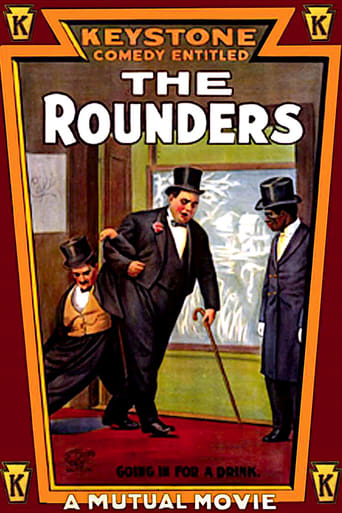
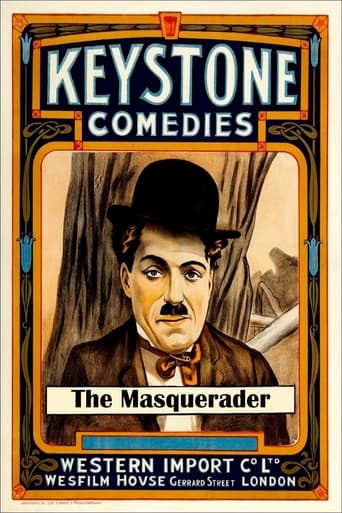
Titles linked here include The Rounders (1914), The Star Boarder (1914).
When was Jess Dandy born and when did he die?
Born 1873; died December 9, 1948.
What awards did Jess Dandy win?
Jess Dandy did not receive any formal awards or nominations during his brief film career in 1914, as the award systems for cinema had not yet been established during the early silent era.
What was Jess Dandy's acting style?
Dandy employed a broad, physical acting style typical of early silent comedy, using his large stature and exaggerated expressions to create comic effect, often playing blustering authority figures who would be comically undermined by Chaplin's antics.
Why did Jess Dandy's career end so quickly?
The exact reason for Dandy's departure from films after 1914 is unknown, but it was common for early film actors to have brief careers, with many returning to vaudeville or other entertainment forms or leaving the industry entirely.
Was Jess Dandy married to another actor?
Yes, Jess Dandy was married to Eva Thatcher, who was also an actress at Keystone Studios and appeared in several films alongside Dandy and Chaplin during their time there.
How did Jess Dandy contribute to early comedy cinema?
Dandy helped establish the archetype of the comic antagonist in early film comedy, creating visual gags through his physical contrast with Chaplin and contributing to the development of comedy techniques that would influence filmmakers for decades.