


The Star Boarder
"Lantern show exposes."
Keys: Space play/pause · ←/→ 10s · F fullscreen · M mute · </> speed
About this film
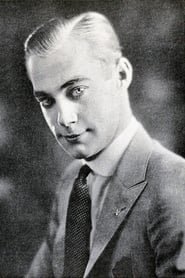
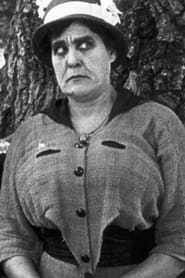
A fun-loving little boy's magic lantern show exposes some indiscreet moments between his landlady mother and her star boarder.
Cast & crew
More films like this

More Comedy films
View all →







More from George Nichols
View all →

More about this film
About the production
Release dateFebruary 26, 1914
ProductionKeystone Studios
Filmed inLos Angeles, California, Keystone Studios, Edendale
This was one of Chaplin's early films at Keystone Studios, produced during his first year in American cinema. The film was shot quickly in the typical Keystone fashion of one or two days, utilizing the studio's indoor sets and minimal outdoor locations. The magic lantern sequence was particularly innovative for its time, requiring careful choreography and lighting to create the shadow puppet effects. George Nichols, an experienced actor-turned-director, was one of several directors Chaplin worked with at Keystone before taking full directorial control of his films.
Themes
Themes & topics
lovinglittlemagiclanternshowexposessomeindiscreet
Historical background
By 1914, distribution was widening and The Star Boarder reached audiences through the theatrical channels dominant before television.
Why this film matters
Surviving prints of The Star Boarder document how 1914-era filmmakers solved story problems with limited means.
Making of
Production details for The Star Boarder are sparse in surviving records. Direction is attributed to George Nichols.
What critics said
Specialist critics today emphasize preservation when a viewable copy of The Star Boarder survives.
Did you know?
- Directed by George Nichols.
- Production country: United States.
- Release year commonly listed as 1914.
- TMDB identifier: 53372.
Visual style
The cinematography in 'The Star Boarder' was typical of Keystone Studios productions in 1914, utilizing stationary cameras with basic panning and tracking movements. The film was shot in black and white on 35mm film, with the standard aspect ratio of the era. The magic lantern sequence required special lighting techniques to create the shadow puppet effects, representing an early form of special effects cinematography. Indoor scenes were lit with the harsh, flat lighting common in early studio productions, while outdoor scenes benefited from natural California sunlight. The camera work was functional rather than artistic, focusing on capturing the action clearly for the audience. The film employed basic close-ups for emotional moments, a technique still relatively new in 1914. The boarding house sets were designed to allow for clear sightlines and comic business, with doorways and staircases serving as comic obstacles. The cinematography served the comedy rather than standing out as artistic, which was typical of Keystone's production philosophy.
Innovations
The most notable technical achievement in 'The Star Boarder' was the magic lantern sequence, which demonstrated early special effects capabilities in cinema. The shadow puppet effects required careful coordination between lighting, props, and performers to create the illusion of a magic lantern projection. This sequence represented an innovative use of in-camera effects and practical effects that predated more sophisticated optical printing techniques. The film also utilized the standard Keystone technical approach of rapid editing and multiple camera setups to capture the chaotic comedy. The boarding house set design allowed for complex staging of comic business, with multiple entrances and exits creating opportunities for farcical situations. While not groundbreaking in terms of cinematography, the film demonstrated the growing sophistication of film language in 1914, with clear narrative progression and character development. The technical aspects served the comedy effectively, showing how Keystone Studios had mastered the craft of producing entertaining comedies quickly and efficiently.
Music
As a silent film, 'The Star Boarder' had no recorded soundtrack but would have been accompanied by live music during theatrical exhibitions. The typical accompaniment would have been provided by a pianist in smaller theaters or a small orchestra in larger venues. The music would have been selected from standard compilations of photoplay music, with pieces chosen to match the mood of each scene - comic music for the slapstick moments, romantic themes for the landlady and boarder scenes, and playful melodies for the child's sequences. The magic lantern show might have featured special musical effects or novelty instruments to enhance the sense of wonder. Some theaters might have used sound effects such as bells, whistles, or other noisemakers to punctuate the comic moments. The musical accompaniment was crucial to silent film experience, helping to guide audience emotions and enhance the comedy. While no specific musical score was composed for , the accompanist would have drawn from the extensive library of photoplay music available to theaters of the era.
Famous quotes
The magic lantern show reveals more than intended - a child's innocence exposes adult indiscretions.
In the boarding house of life, every room holds a secret, and every shadow tells a story.
Memorable scenes
- The climactic magic lantern show sequence where the child uses shadow puppets to reenact the landlady and boarder's secret encounters, creating hilarious embarrassment as the other boarders watch the unwitting expose unfold.
- The various sneaking scenes where Chaplin and Durfee attempt to have private moments, constantly interrupted by the suspicious child or other boarders.
- The final chaos scene where all characters react to the revelation, with exaggerated expressions and physical comedy typical of Keystone style.
What audiences thought
Patrons who saw The Star Boarder during initial runs judged it alongside other comedy film releases of the day.
Film connections
Influenced by
- French and Italian comedies of the early 1910s
- Vaudeville and stage comedy traditions
- Earlier Keystone comedies featuring similar situations
- Mack Sennett's comedy style
- Max Linder's French comedies
- Music hall and variety show formats
This film influenced
- Later Chaplin films featuring children as central characters
- Other Keystone comedies with similar boarding house settings
- Silent comedies that used magic lantern or projection sequences
- Films that employed children exposing adult hypocrisy
- Early sound comedies that adapted similar plot structures
Film restoration
The preservation status of 'The Star Boarder' is somewhat uncertain, as is common with many early Keystone films. While not officially listed as lost, complete prints may be rare or fragmented. Some archives and film preservation organizations may hold copies or fragments of the film. The Keystone Studios output from this period suffered from poor storage conditions and the unstable nitrate film stock used in the era. However, given Chaplin's importance in cinema history, efforts have likely been made to preserve his early work. The film may exist in archives such as the Library of Congress, the Museum of Modern Art, or various film preservation foundations. Some versions may be available through restoration projects or in collections of early American cinema. The quality of surviving copies, if any, would vary depending on their preservation history.
Where to watch
- The film may be available through specialized archives and film libraries that hold early cinema collections
- Some silent film streaming platforms or DVD collections of early Chaplin works might include this title
- Film archives and museums that specialize in silent cinema may have viewing copies available for research
- Academic film studies programs might have access through their film libraries
- Public domain collections of early American cinema could potentially include