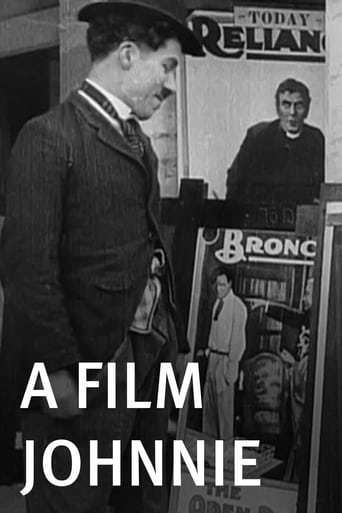
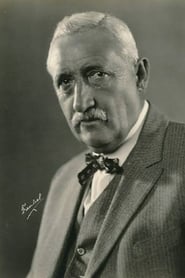
George Nichols
Actor & Director
Born: October 28, 1862 in Rockford, Illinois, USA Died: February 20, 1930 Active: 1909-1926
Films
48 films
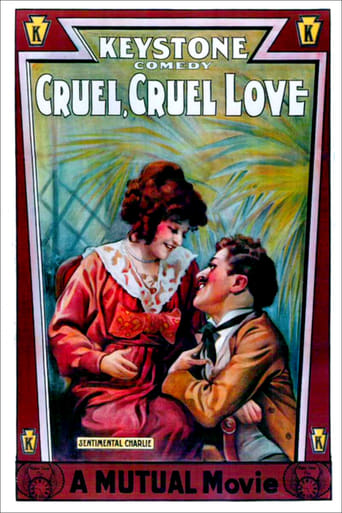
Cruel, Cruel Love
1914
Enoch Arden
1911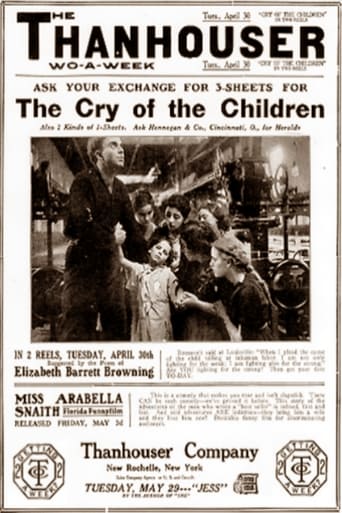
The Cry of the Children
1912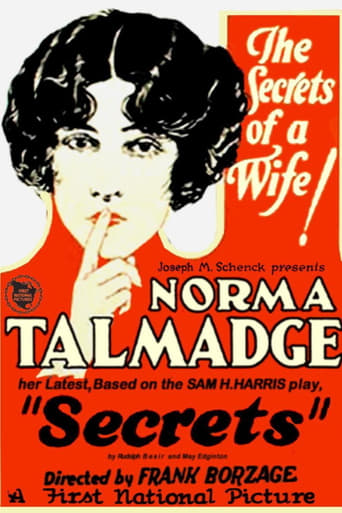
Secrets
1924
The Star Boarder
1914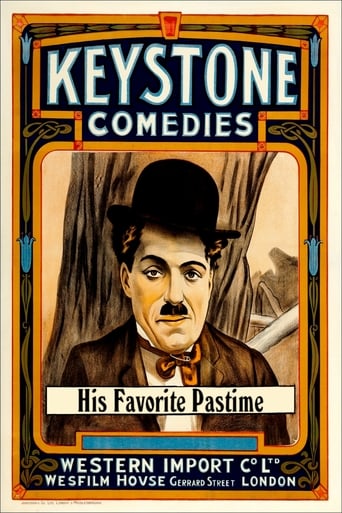
His Favorite Pastime
1914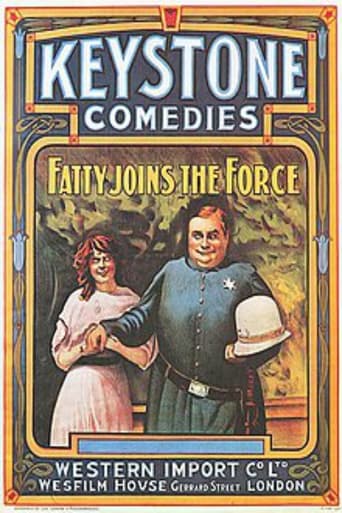
Fatty Joins the Force
1913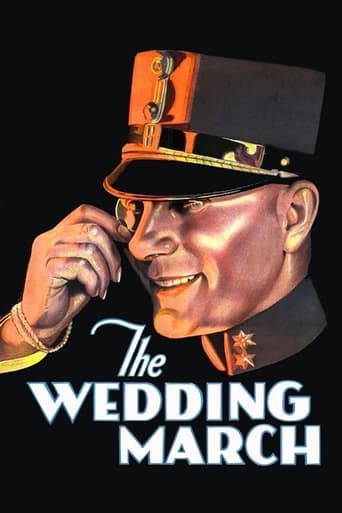
The Wedding March
1926
Getting Even
1909
What's Your Hurry?
1909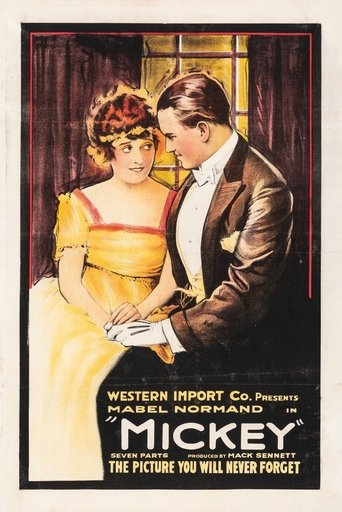
Mickey
1918
Cinderella
1911
The Day After
1909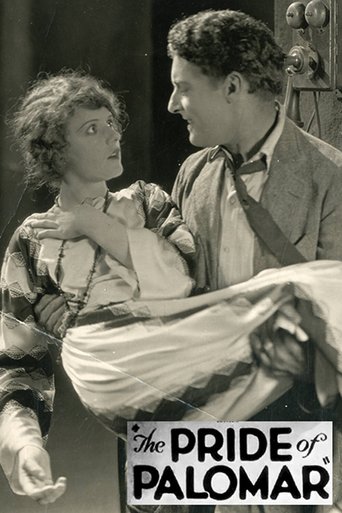
The Pride of Palomar
1922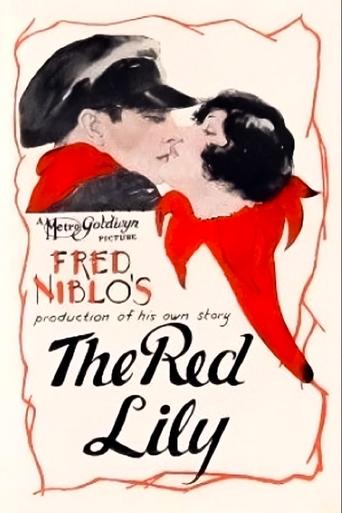
The Red Lily
1924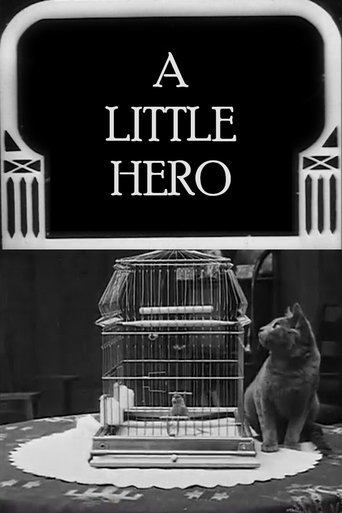
A Little Hero
1913
A Child of the Ghetto
1910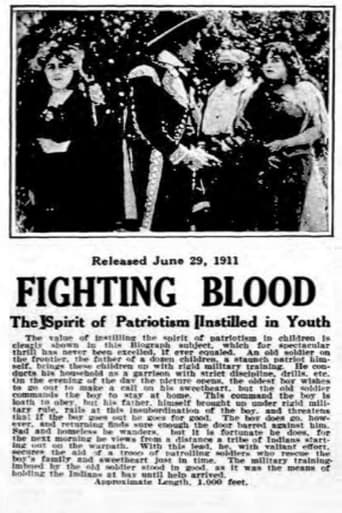
Fighting Blood
1911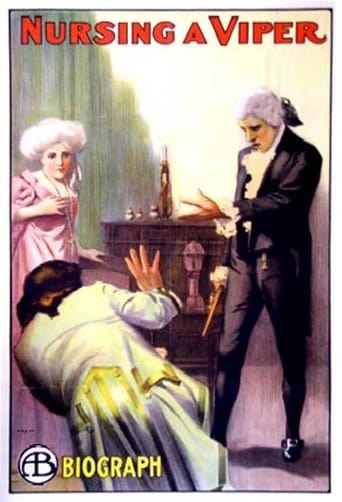
Nursing a Viper
1909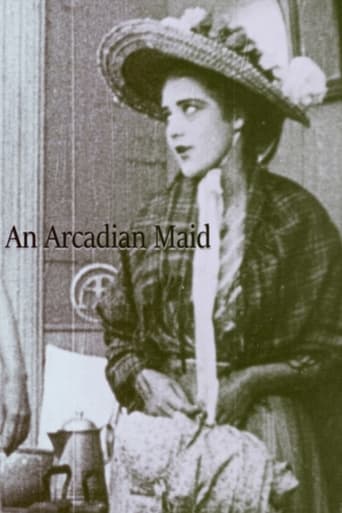
An Arcadian Maid
1910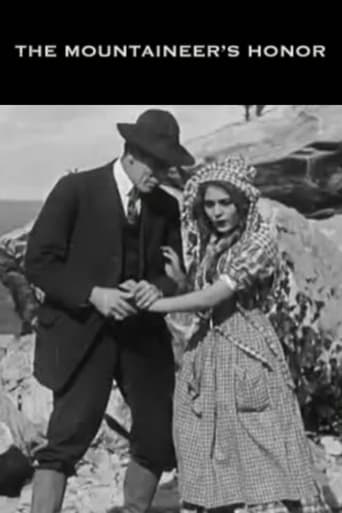
The Mountaineer's Honor
1909
The Oath and the Man
1910
The Redman's View
1909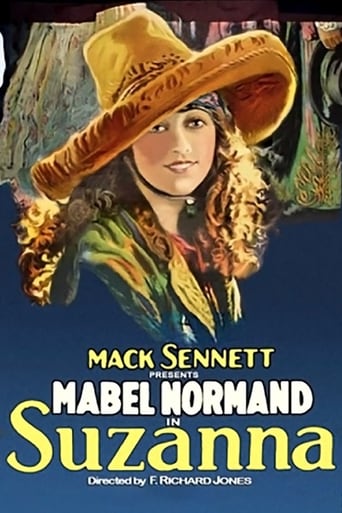
Suzanna
1923
What Drink Did
1909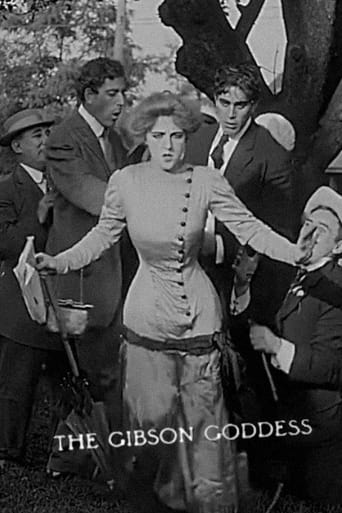
The Gibson Goddess
1909
A Flirt's Mistake
1914
Through the Breakers
1909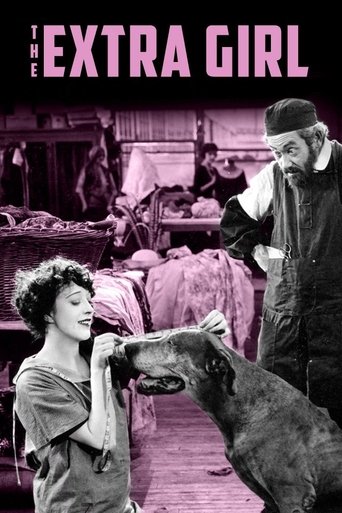
The Extra Girl
1923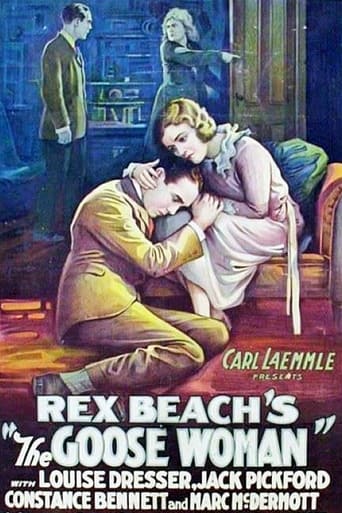
The Goose Woman
1925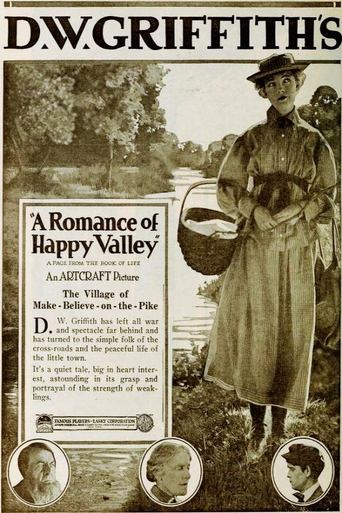
A Romance of Happy Valley
1919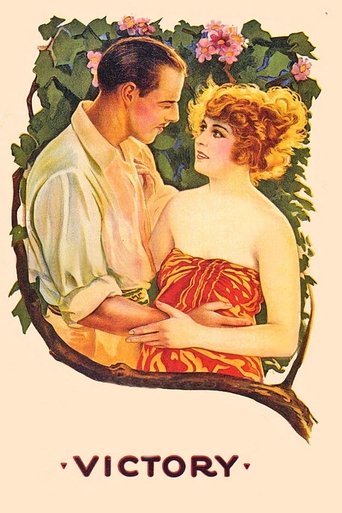
Victory
1919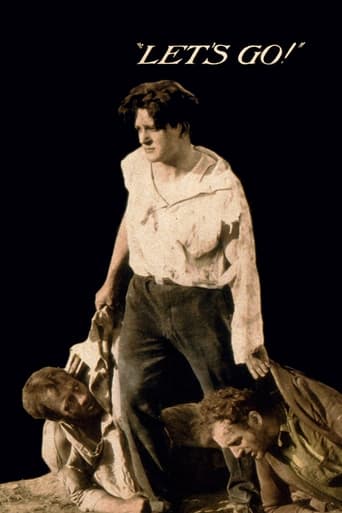
Let's Go
1923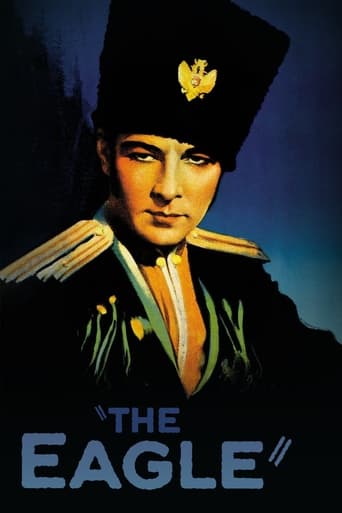
The Eagle
1925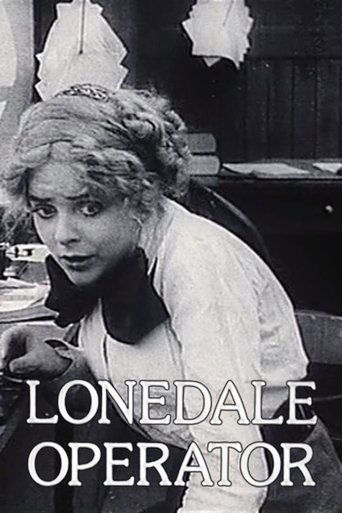
The Lonedale Operator
1911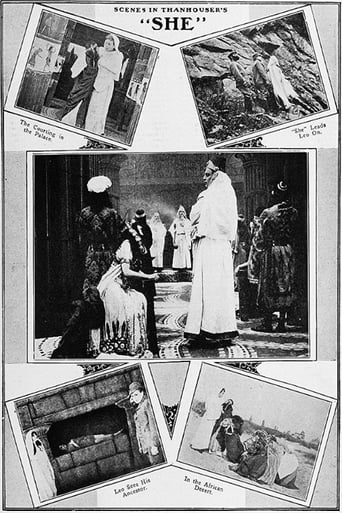
She
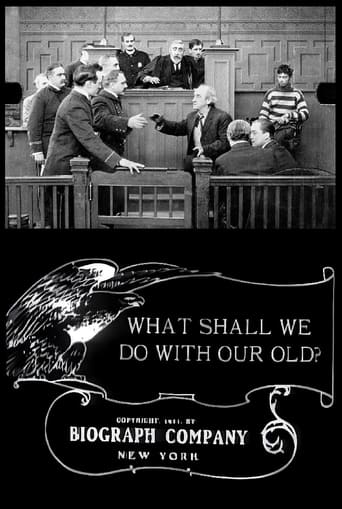
What Shall We Do with Our Old?
1911
In Life's Cycle
1910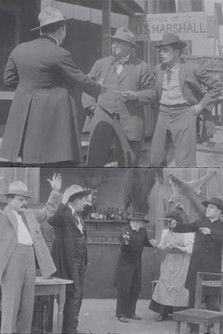
Unexpected Help
1910
Pippa Passes
1909
The Usurer
1910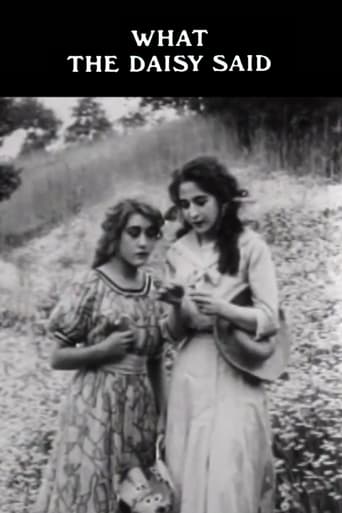
What the Daisy Said
1910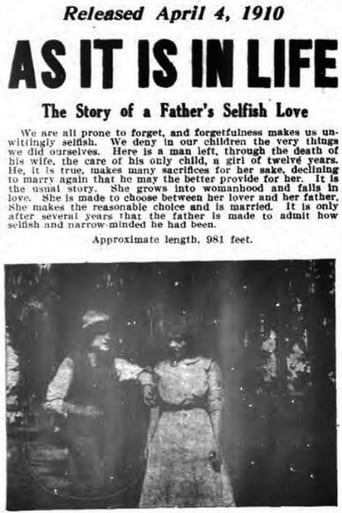
As It Is in Life
1910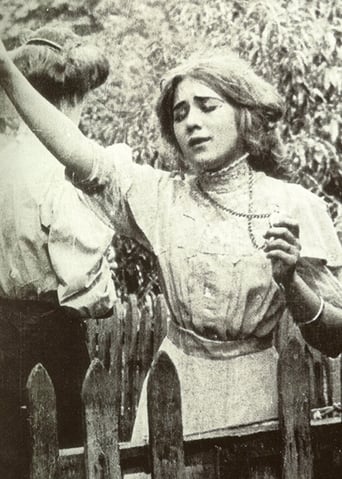
The Broken Locket
1909
The Silent Man
1917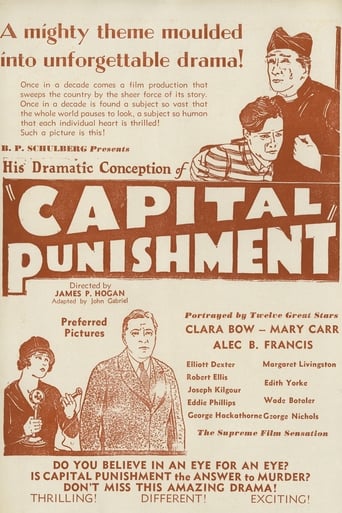
Capital Punishment
1925
The Cricket on the Hearth
1909About George Nichols
Made significant contributions during the formative years of American cinema. Beginning his career in 1909 at the Biograph Studio, he quickly established himself as both a versatile actor and a prolific director, working alongside legends like D.W. Griffith during Biograph's most creative period. Throughout his career spanning nearly two decades, Nichols directed over 200 short films and appeared in more than 200 others, showcasing his remarkable productivity during the silent era. He was particularly known for his work with comedy star Roscoe 'Fatty' Arbuckle, directing several of his early Keystone comedies that helped establish American film comedy. Nichols also directed the critically acclaimed social drama 'The Cry of the Children' (1912), which was considered for its time and demonstrated cinema's potential for social commentary. His career continued through the transition years of the 1920s until his death in 1930, leaving behind a substantial body of work that helped shape early American cinema. His son, George Nichols Jr., would also follow in his footsteps to become a respected film director, continuing the family's cinematic legacy.
The Craft
On Screen
As an actor in the silent era, Nichols employed the theatrical style common to early cinema, using exaggerated gestures and facial expressions to convey emotion and character. He often played authority figures, fathers, and character roles in both dramatic and comedic contexts. His performances were characterized by their reliability and professionalism, making him a valuable supporting player in numerous Biograph productions. Nichols had a commanding screen presence that suited his frequent casting as paternal figures and authority figures, bringing gravitas to even the shortest of films.
Behind the Camera
Nichols' directing approach was efficient and practical, reflecting the rapid production schedules of the silent era where directors often completed multiple films per week. He demonstrated particular skill in directing comedy, especially physical comedy with performers like Fatty Arbuckle, showing an understanding of timing and visual gags. In dramatic works like 'The Cry of the Children,' he showed an ability to handle serious social themes with sensitivity and impact, using close-ups and composition to create emotional resonance. His style evolved with the medium, adapting from the one-reel format to longer narratives as the industry developed.
Milestones
- Directed over 200 films during the silent era
- Acted in over 200 films as a character actor
- Worked extensively with D.W. Griffith at Biograph Studio
- Directed the influential social drama 'The Cry of the Children' (1912)
- Collaborated frequently with comedy star Roscoe 'Fatty' Arbuckle
- Helped establish early American film comedy at Keystone Studios
- Mentored his son George Nichols Jr., who became a film director
Best Known For
Iconic Roles
Must-See Films
Accolades
Special Recognition
- Recognized as a filmmaker in early American cinema history
- Contributor to the development of early film language and techniques
Working Relationships
Worked Often With
Studios
Why They Matter
Impact on Culture
George Nichols was part of the foundational generation of American filmmakers who established the language of cinema during its most formative years. His work at Biograph during the studio's most creative period contributed directly to the development of film grammar and storytelling techniques that would become standard in the industry. Through his collaborations with D.W. Griffith, Nichols participated in experiments with camera techniques, editing patterns, and narrative structures that defined early cinema. His work in comedy helped establish patterns that would influence generations of American film comedians, while his dramatic efforts like 'The Cry of the Children' demonstrated cinema's potential as a medium for social commentary and emotional storytelling.
Lasting Legacy
Nichols' extensive filmography represents a significant portion of early American cinema history, with over 400 credited works as actor and director combined. While many of his films are now considered lost due to the deterioration of early film stock, his surviving work provides valuable insight into the development of early film techniques and storytelling conventions. His role in training the next generation, particularly his son George Nichols Jr., helped ensure the continuation of cinematic knowledge and techniques. Nichols exemplifies the versatile filmmaker of the silent era who could seamlessly transition between acting and directing, contributing to the industry's growth from its primitive beginnings to a sophisticated art form.
Who They Inspired
Nichols' work with comedy pioneers like Mack Sennett and Fatty Arbuckle helped establish early patterns for American film comedy that would influence the genre for decades. His dramatic work demonstrated how cinema could address serious social issues, paving the way for later socially conscious filmmakers. As a mentor to his son and other young filmmakers, he helped transmit the technical and artistic knowledge of early cinema to the next generation. His prolific output and professional reliability set standards for work ethic in an industry that was still establishing its professional practices.
Off Screen
George Nichols was married and had children, including his son George Nichols Jr. Who would follow in his footsteps to become a film director. The family lived in the Los Angeles area during the height of Nichols' career, as Hollywood was establishing itself as the center of American film production. Nichols' active years covered the most transformative period in early cinema, from the dominance of East Coast studios to the establishment of Hollywood as the industry capital. His death in 1930 came just as the transition to sound films was revolutionizing the industry he had helped build.
Education
Educational background not documented for this era of filmmakers
Family
- Information not readily available
Did You Know?
- Directed over 200 films during his 17-year career
- Acted in over 200 films, making him
- Worked with D.W. Griffith during Biograph's most innovative period (1909-1913)
- Father of director George Nichols Jr., who directed films for major studios
- Directed 'The Cry of the Children' (1912), one of the first films to address child labor
- Frequently collaborated with Roscoe 'Fatty' Arbuckle before Arbuckle became a major star
- Was part of the original Keystone Studios team under Mack Sennett
- Many of his films are now considered lost due to the deterioration of nitrate film stock
- Worked during the transition from one-reel films to feature-length productions
- His active years covered the entire silent era from its early years to the advent of sound
In Their Own Words
No documented quotes from this early cinema pioneer are readily available
Frequently Asked Questions
Who was George Nichols?
American actor and on YTB.my.W. Griffith at Biograph Studio and later with comedy stars like Fatty Arbuckle. He directed over 200 films and appeared in more than 200 others, making him.
What films is George Nichols best known for?
Titles linked here include The Cry of the Children (1912), Fatty Joins the Force (1913).
When was George Nichols born and when did he die?
Born October 28, 1862; died February 20, 1930.
What awards did George Nichols win?
George Nichols worked during the early silent era before the establishment of formal award systems like the Academy Awards. His recognition comes from his historical importance as a filmmaker who helped shape early American cinema.
What was George Nichols' acting and directing style?
As an actor, Nichols used the theatrical style common to early cinema with exaggerated gestures, often playing authority figures and paternal roles. As a director, he was efficient and practical, showing particular skill with physical comedy and demonstrating ability to handle both comedic and dramatic material effectively.
Did George Nichols have any famous family members?
Yes, George Nichols was the father of George Nichols Jr., who became a film director working for major studios like MGM and Universal in the 1930s and 1940s, continuing the family's cinematic legacy.
What was George Nichols' contribution to early cinema?
Nichols — foundational figure in early American cinema who contributed to the development of film language and techniques through his work at Biograph. He helped establish patterns in American comedy and demonstrated cinema's potential for social commentary through films like 'The Cry of the Children'.