

Cruel, Cruel Love
"Jealousy in white tie"
Keys: Space play/pause · ←/→ 10s · F fullscreen · M mute · </> speed
About this film
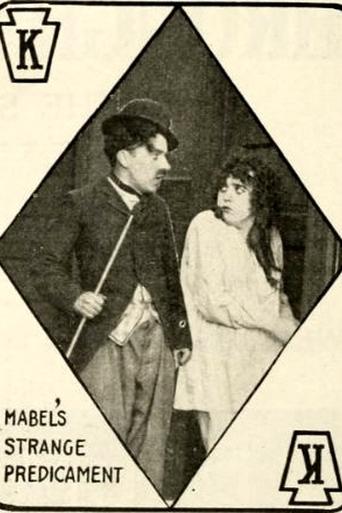
Charlie Chaplin plays a wealthy gentleman whose romance with Minta Durfee collapses when she sees him embraced by a maid. Pre-Tramp role for Chaplin at Keystone in 1914.
Cast & crew
More films like this
More Comedy films
View all →







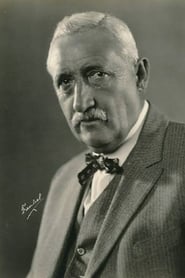
More from George Nichols
View all →


More about this film
About the production
Release dateFebruary 26, 1914
ProductionKeystone Film Company
Filmed inKeystone Studios, Los Angeles, California
This was one of Chaplin's earliest films at Keystone, made during his first months with the studio in 1914. The film was shot quickly in just a few days, typical of Keystone's rapid production schedule. Chaplin was still developing his screen persona, which is why he plays an upper-class character rather than his soon-to-be-famous Tramp. The film showcases the physical comedy style that would become Chaplin's trademark, but with a character that allows for different comedic situations involving class and propriety.
Themes
Themes & topics
wealthy gentlemanmistaken identityjealous girlfriendsuicide threatromantic comedyphysical comedymisunderstandingpursuitreconciliationaristocracy
Historical background
Cruel, Cruel Love reached screens around 1914, produced in its country of origin. Silent-era houses paired such titles with live music and newsreel bills.
Why this film matters
Researchers cite Cruel, Cruel Love when tracing screen culture of its decade.
Making of
During the production of 'Cruel, Cruel Love,' Chaplin was still establishing his creative control at Keystone. While George Nichols is credited as director, Chaplin was already beginning to assert his influence over his films, often contributing to gags and staging. The relationship between Chaplin and Minta Durfee was professional, despite her marriage to Arbuckle, as all three worked together frequently at Keystone. The film's production followed Keystone's typical assembly-line approach, with minimal scripting and heavy reliance on improvisation and physical comedy. The set was likely a simple interior standing set at Keystone's Edendale studio, decorated to suggest an upper-class home. Chaplin's costume as Lord Brawl was more elaborate than his Tramp outfit, reflecting the character's wealthy status.
What critics said
Reviewers in 1914 weighed Cruel, Cruel Love on clarity, pacing, and audience response rather than prestige status. No single canonical review dominates later reference works for the title.
Did you know?
- This was only Charlie Chaplin's 11th film appearance, made during his first year at Keystone Studios.
- Minta Durfee, who plays Chaplin's love interest, was married to fellow Keystone star Roscoe 'Fatty' Arbuckle at the time.
- The film demonstrates Chaplin experimenting with different character types before settling on his iconic Tramp persona.
- Director George Nichols was a veteran actor-turned-director who worked extensively with Chaplin during his Keystone period.
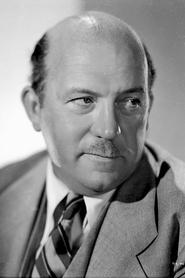
- Edgar Kennedy, who appears in the film, would later become famous for his 'slow burn' comedy style in his own series of short films.
- The pistol used in the suicide scene was likely a prop, but such dramatic elements were common in early comedies to heighten the stakes.
- Keystone films typically cost between $1,000-$2,000 to produce, though specific budget information for this film is lost.
- This film was released just months after Chaplin's film debut in 'Making a Living' (February 1914).
- The maid character was played by Alice Davenport, a Keystone regular who appeared in over 100 films.
- The film's title reflects the melodramatic style of early comedies, which often borrowed from theatrical conventions.
Visual style
The cinematography in 'Cruel, Cruel Love' reflects the typical Keystone style of 1914, with static camera positions and wide shots that captured the full action of the physical comedy. The film was likely shot on 35mm film with standard framing for the era. The lighting was basic, using available studio lighting to create sufficient exposure. The camera work was functional rather than artistic, focusing on clearly presenting the comedic action to the audience. There were no camera movements or special effects, as these techniques were not yet common in short comedy productions. The visual composition was straightforward, ensuring that all characters and actions were visible within the frame.
Innovations
While 'Cruel, Cruel Love' does not feature major technical innovations, it represents the standard technical practices of the Keystone studio in 1914. The film was shot at the then-standard frame rate of approximately 16-18 frames per second. The editing was straightforward, using simple cuts between scenes to advance the narrative. The film stock was likely black and white celluloid nitrate, which was standard for the period but has since proven to be highly unstable for preservation. The makeup and costuming were typical for the era, with Chaplin's Lord Brawl costume being more elaborate than his later Tramp outfit. The film's technical simplicity allowed for rapid production, which was essential to Keystone's business model of releasing multiple films each week.
Music
Like all films of 1914, 'Cruel, Cruel Love' was a silent production with no synchronized soundtrack. During its original theatrical run, the film would have been accompanied by live music, typically a piano or organ in smaller theaters and sometimes a small orchestra in larger venues. The musical accompaniment would have been selected to match the mood of each scene, with romantic music for the love scenes, frantic music for the chase sequences, and dramatic music for the suicide threat. The specific musical pieces used would have varied by theater and musician, as there was no standardized score for the film. Modern presentations of the film often feature newly composed scores or period-appropriate classical music.
Famous quotes
(Intertitle) Lord Brawl: 'My love, you误会了!'
(Intertitle) Girlfriend: 'I cannot live without you!'
(Intertitle) Lord Brawl: 'It was all a terrible mistake!'
Memorable scenes
- The pivotal misunderstanding scene where Lord Brawl is seen embracing the maid, triggering the entire conflict. The suicide threat scene where the girlfriend dramatically points a pistol at herself, creating tension amid the comedy. The frantic pursuit sequence where Lord Brawl desperately tries to stop his girlfriend from harming herself while proving his innocence.
What audiences thought
Audiences in 1914 responded enthusiastically to 'Cruel, Cruel Love' and other Chaplin shorts, as evidenced by his rapidly growing popularity during this period. The film's mix of slapstick comedy with romantic melodrama appealed to contemporary moviegoers who enjoyed the emotional rollercoaster of early comedies. Chaplin's ability to elicit both laughter and sympathy was already evident, even in this early role as a wealthy gentleman. The film was part of the programming in nickelodeons and early movie theaters across America, contributing to Chaplin's emergence as a major box office draw. Modern audiences who view the film today often find it fascinating as a glimpse of Chaplin's early work before he created his most famous character.
Film connections
Influenced by
- Music hall comedy
- Vaudeville traditions
- Melodramatic theater
- Mack Sennett's Keystone style
- French comedies of the early 1900s
This film influenced
- Chaplin's subsequent Keystone comedies
- Other romantic comedy shorts of the 1910s
- Films featuring mistaken identity themes
- Early romantic comedies featuring class differences
Film restoration
The film survives and is preserved in various film archives, including the Library of Congress and the Museum of Modern Art. Multiple copies exist in different archives, though some may show varying degrees of deterioration due to the unstable nitrate film stock used in 1914. The film has been restored and is available through various home media releases and online platforms. It is not considered a lost film, unlike many other Keystone productions from this period.
Where to watch
- The film is available on YouTube through various public domain uploads
- Included in several Charlie Chaplin early works DVD collections
- Available on streaming services specializing in classic cinema
- Can be accessed through some film archive websites
- Included in the Criterion Collection's 'Chaplin at Keystone' box set