Films
4 films

About Eva Nelson
American actress who worked during the days of silent cinema, primarily with Mack Sennett's Keystone Studios in 1914. She was part of the Keystone comedy troupe during what many consider the golden age of silent comedy, appearing in several significant films alongside Charlie Chaplin and Mabel Normand. Her brief but notable only the year 1914, during which she appeared in at least four major comedy shorts that helped establish the foundation of American film comedy. Nelson worked with some of the most influential figures in early cinema, including Chaplin during his first year in films and Normand, one of the era's biggest stars. Like many actresses of her era, she disappeared from film records after 1914, suggesting either retirement from the industry or possibly marriage and name change, which was common practice for women in entertainment during that period. Her contributions, while brief, represent an important part of early Hollywood history and the development of film comedy.
The Craft
On Screen
As a Keystone Studios actress, Nelson likely employed the exaggerated physical comedy style characteristic of the era, with broad gestures and facial expressions suitable for silent film communication. Her performances would have emphasized physical humor and situational comedy, typical of the Keystone comedy style that influenced generations of comedians.
Milestones
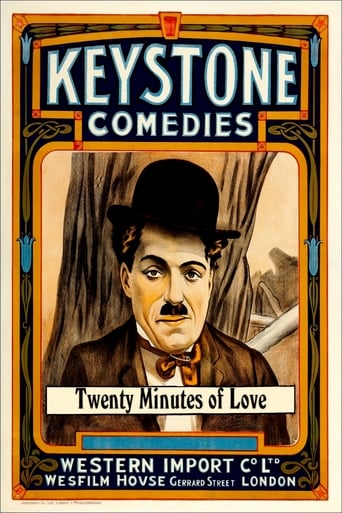
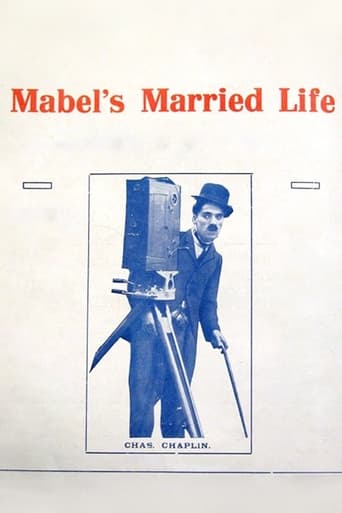
- Appeared in Charlie Chaplin's first year of films at Keystone
- Worked with comedy legend Mabel Normand
- Participated in the formation of American slapstick comedy
- Member of Mack Sennett's famous Keystone troupe
Best Known For
Must-See Films
Working Relationships
Worked Often With
Studios
Why They Matter
Impact on Culture
Eva Nelson's contributions to cinema, while brief, represent an important part of the foundation of American film comedy. As a member of the Keystone Studios troupe in 1914, she participated in the creation of the slapstick comedy style that would dominate American humor for decades. The films she appeared in helped establish Charlie Chaplin's career and showcased the collaborative nature of early comedy filmmaking. Her work exemplifies the ensemble approach that made Keystone Studios a revolutionary force in entertainment, where even supporting players contributed to the overall comic effect that audiences loved.
Lasting Legacy
Eva Nelson's legacy is preserved through the surviving Keystone comedies that continue to be studied and appreciated by film historians and enthusiasts. While not a star in her own right, her participation in these historically significant films ensures her place in the narrative of early American cinema. The films she appeared in are frequently cited in studies of early comedy and Chaplin's development, making her an indirect contributor to our understanding of film history. Her story also represents the countless supporting players who were essential to the success of early Hollywood but whose individual stories have been largely lost to time.
Who They Inspired
As a supporting player in the Keystone system, Nelson's direct influence on later performers is difficult to trace, but her participation in the development of film comedy techniques contributed to the foundation upon which later comedians built. The Keystone style she helped exemplify influenced generations of comedy filmmakers and performers, from the Marx Brothers to modern physical comedians.
Off Screen
Very little is documented about Eva Nelson's personal life, which was common for many supporting actors in the early silent era. Her disappearance from film records after 1914 suggests she may have married and left the industry, as was typical for many actresses of the period. The lack of biographical information reflects the limited documentation and preservation of records for supporting players in early cinema.
Did You Know?
- Appeared in films during Charlie Chaplin's first year in American cinema
- Worked exclusively with Keystone Studios during her brief career
- All four of her known surviving films were released in 1914
- Participated in the early development of American slapstick comedy
- Her film career coincided with what many consider the peak year of Keystone Studios' output
- Like many early film actors, her biographical details remain largely undocumented
- Her films were made during a period when Hollywood was transitioning from a small town to the entertainment capital of the world
Frequently Asked Questions
Who was Eva Nelson?
American silent film actress who worked with Keystone Studios in 1914, appearing in comedy shorts alongside Charlie Chaplin and Mabel Normand during the early days of American cinema.
What films is Eva Nelson best known for?
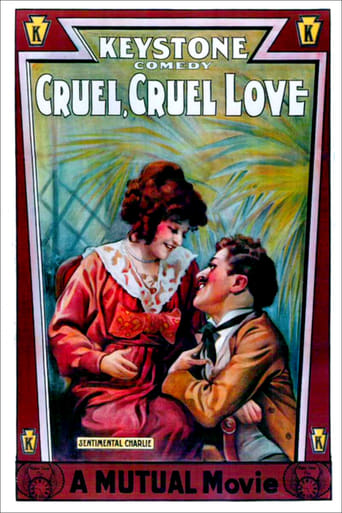
Titles linked here include Cruel, Cruel Love (1914), Mabel's Blunder (1914).
When was Eva Nelson active in films?
Eva Nelson's entire known film active years covered only the year 1914, after which she disappeared from film records, suggesting she left the industry.
Did Eva Nelson work with any famous actors?
Yes, she appeared in films with Charlie Chaplin during his first year in American cinema and worked with Mabel Normand, one of the biggest stars of the early silent era.
Why is so little known about Eva Nelson?
Like many supporting actors from the early silent era, detailed biographical information was not systematically preserved, and many records from this period have been lost or were never documented in the first place.