


Twenty Minutes of Love
"Twenty minutes of park trouble"
Keys: Space play/pause · ←/→ 10s · F fullscreen · M mute · </> speed
About this film
Charlie's curiosity in the park embroils him with a jealous suitor, a man accusing him of theft, a policeman, and a small boy. The Keystone short packs escalating misunderstandings into twenty minutes.
Cast & crew
More films like this

More Comedy films
View all →







More from Charlie Chaplin
View all →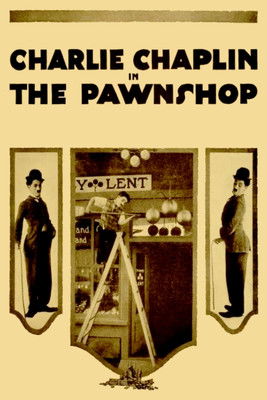
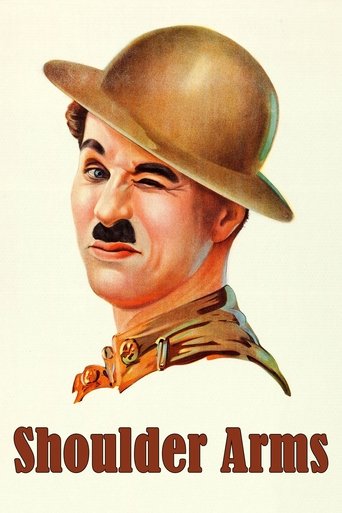

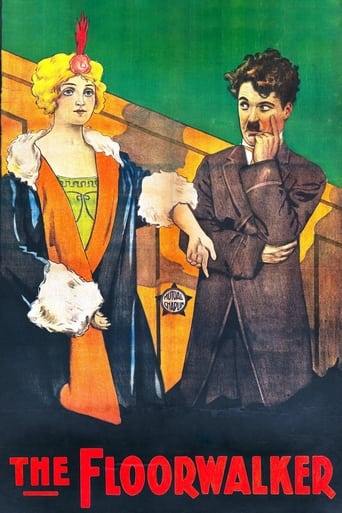
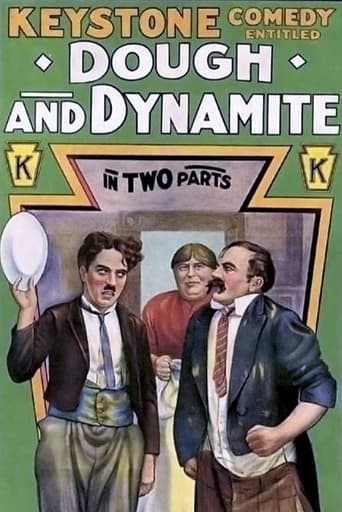

More about this film
About the production
Release dateApril 20, 1914
ProductionKeystone Film Company
Filmed inLos Angeles, California, Echo Park, Los Angeles
This was one of the first films Charlie Chaplin directed for Keystone Studios, marking his early experimentation with comedic timing and physical comedy. The film was shot in just a few days, typical of the rapid production schedule at Keystone. Chaplin was still developing his Tramp character, and the release shows early versions of the mannerisms and physical comedy that would make him famous. The park setting was a common location for Keystone comedies due to its accessibility and natural lighting for outdoor filming.
Themes
Jealousy and romantic rivalryThe consequences of meddlingSocial misfit in public spacesEscalating chaos through misunderstandingsThe outsider's perspective on social norms
Themes & topics
parkchasemistaken identitytheft accusationjealousyphysical comedyslapstickromantic interferencepolicemanmisunderstanding
Historical background
Twenty Minutes of Love (1914) reached audiences during the nickelodeon era, when exhibitors mixed shorts and features on the same program.
Why this film matters
Historians retain Twenty Minutes of Love as a record of how filmmakers in 1914 addressed popular genres.
Making of
Behind the scenes, 'Twenty Minutes of Love' represents a pivotal moment in Chaplin's career as he transitioned from performer to director. At Keystone Studios, Chaplin had quickly convinced producer Mack Sennett of his directorial capabilities after demonstrating his understanding of comedic timing and visual storytelling. The film was made during an incredibly productive period where Chaplin was essentially learning filmmaking on the job, directing and starring in multiple shorts each month. The cast and crew worked with minimal rehearsal, relying on Chaplin's growing expertise in physical comedy and improvisation. The park setting allowed for natural lighting and open spaces for chase sequences, which became hallmarks of early comedy films. Chaplin was already asserting creative control, insisting on multiple takes to perfect gags, a practice that was unusual for Keystone's typically rushed production style.
What critics said
Trade coverage from 1914 treated Twenty Minutes of Love as program material; later writers evaluate it through preservation and genre context.
Did you know?
- This was the first film Charlie Chaplin directed for Keystone Studios, marking his directorial debut.
- The film features Chaplin's early development of the Tramp character, which would become his most famous creation.
- Minta Durfee, who plays the female lead, was married to fellow comedian Roscoe 'Fatty' Arbuckle at the time.
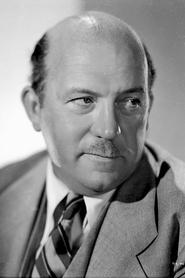
- Edgar Kennedy, who plays the jealous suitor, would later become famous for his 'slow burn' comedy style.
- The entire film was shot in one day, typical of Keystone's rapid production schedule.
- This was one of over 30 films Chaplin made in 1914 alone during his time at Keystone.
- The park setting was actually Echo Park in Los Angeles, a popular filming location for early comedies.
- Chaplin was paid $150 per week at Keystone when he made the release.
- The film's title refers to the brief romantic encounter that sets off the chain of comedic events.
- This short film was originally released as part of a comedy program with other Keystone shorts.
Visual style
The cinematography in 'Twenty Minutes of Love' reflects the typical style of Keystone productions in 1914, with static camera positions and wide shots to capture the physical comedy. The film was shot outdoors in natural light, which was common for early comedies to ensure good visibility and reduce production costs. The camera work is straightforward but effective, allowing audiences to clearly see Chaplin's physical movements and the interactions between characters. The park setting provided open spaces for chase sequences, which were filmed with the camera positioned to follow the action across the frame. While technically simple by modern standards, the cinematography successfully serves the comedic needs of the film, ensuring that gags are visible and the escalating chaos is clearly communicated to the audience.
Innovations
While 'Twenty Minutes of Love' doesn't feature groundbreaking technical innovations, it represents solid craftsmanship for its time and demonstrates Chaplin's early understanding of film comedy techniques. The film makes effective use of continuity editing to maintain the flow of the escalating comedic situations. The chase sequences show early mastery of spatial relationships and screen direction, ensuring that audiences could follow the action clearly. Chaplin's use of physical comedy and timing demonstrates his growing understanding of how to stage gags for maximum comedic effect on camera. The film also shows effective use of location shooting, taking advantage of natural lighting and outdoor spaces to create a believable setting for the comedy. These technical elements, while not revolutionary, were executed with competence that exceeded many contemporary shorts.
Music
As a silent film, 'Twenty Minutes of Love' had no synchronized soundtrack when originally released. The musical accompaniment would have been provided live in theaters, typically by a pianist or small orchestra using standard cue sheets or improvisation based on the on-screen action. The music would have been upbeat and playful during comedic moments, more dramatic during chase sequences, and romantic during the scenes with the couple. Modern restorations and screenings of the film often feature newly composed scores or period-appropriate music that enhances the viewing experience while maintaining the spirit of silent era accompaniment. The lack of dialogue meant that Chaplin's physical comedy had to carry the entire narrative, making visual storytelling particularly important.
Famous quotes
(Silent film - no dialogue quotes available)
Memorable scenes
- The opening scene where Chaplin's character first encounters the romantic couple in the park, immediately establishing his nosy character trait. The escalating confrontation with the jealous suitor features early examples of Chaplin's physical comedy style. The mistaken watch theft sequence that leads to a frantic chase through the park, demonstrating the classic Keystone comedy formula of escalating chaos.
What audiences thought
Audiences in 1914 responded enthusiastically to 'Twenty Minutes of Love,' as Chaplin was rapidly becoming especially popular comedians in American cinema. The film's simple premise and physical comedy appealed to the diverse audiences of nickelodeons and early movie theaters. Contemporary reports indicate that audiences laughed heartily at Chaplin's antics and the escalating chaos in the park setting. The film's brief runtime and straightforward humor made it accessible to immigrant audiences and those with limited English proficiency, contributing to Chaplin's growing international appeal. Modern audiences viewing the film today often appreciate it for its historical value and the opportunity to see Chaplin's early work, though some may find the pacing slower than contemporary comedy.
Film connections
Influenced by
- Mack Sennett's Keystone comedy style
- French and American slapstick traditions
- Music hall and vaudeville comedy
- Max Linder's comedy films
- Early cinematic chase sequences
This film influenced
- Subsequent Chaplin Keystone shorts
- The Masquerader (1914)
- The New Janitor (1914)
- His New Profession (1914)
- Later park-setting comedy shorts
Film restoration
The film is preserved and available through various archives and collections. It has been restored and digitized by several film preservation organizations, including the Library of Congress and various film archives. The survival rate of Keystone films is relatively low compared to other studios, making this preserved Chaplin short particularly valuable. Multiple versions exist in different archives, with varying degrees of quality and completeness.
Where to watch
- The film is available on various streaming platforms specializing in classic cinema
- YouTube (through official channels like The Chaplin Office)
- DVD collections of Chaplin's early works
- Film archive websites such as the Internet Archive
- Specialized streaming services for silent films