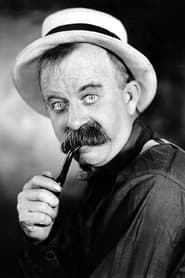
Chester Conklin
Actor
Born: January 11, 1886 in Oskaloosa, Iowa, USA Died: October 11, 1971 Active: 1913-1959 Birth Name: Chester Cooper Conklin
Films
23 films
Greed
1924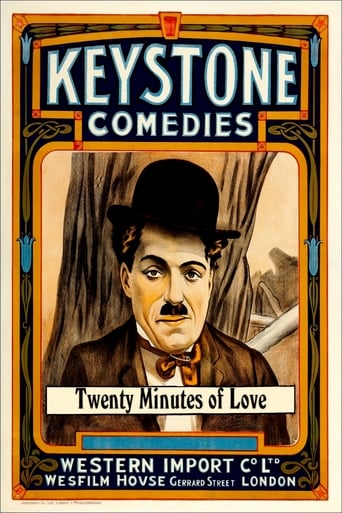
Twenty Minutes of Love
1914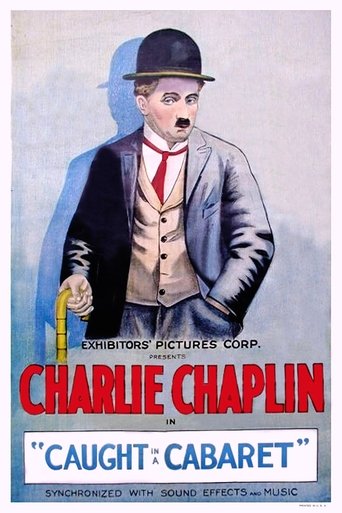
Caught in a Cabaret
1914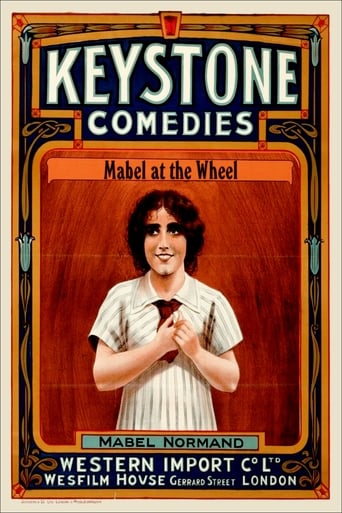
Mabel at the Wheel
1914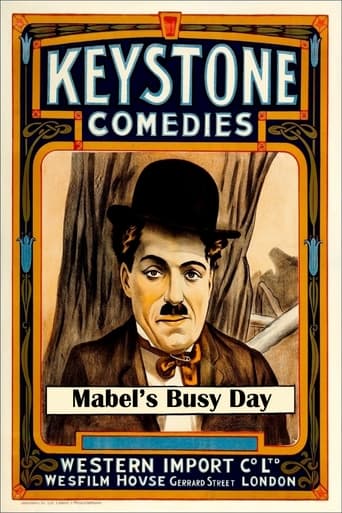
Mabel's Busy Day
1914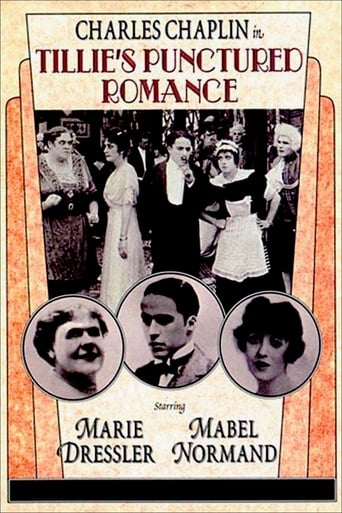
Tillie's Punctured Romance
1914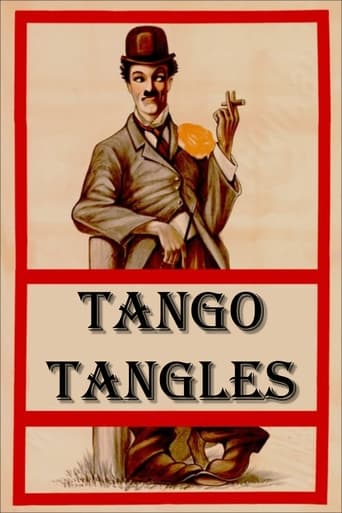
Tango Tangles
1914
Gentlemen of Nerve
1914
Those Love Pangs
1914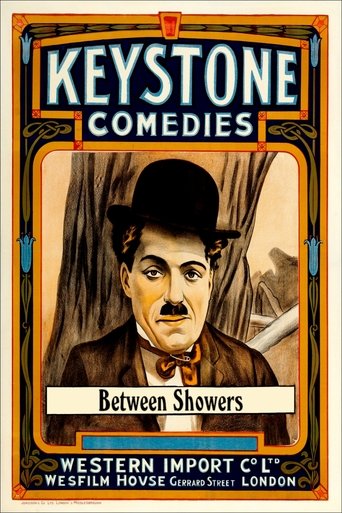
Between Showers
1914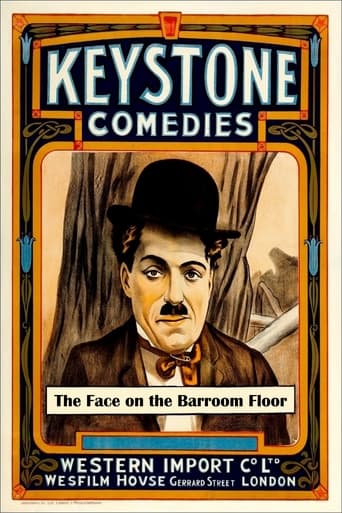
The Face on the Barroom Floor
1914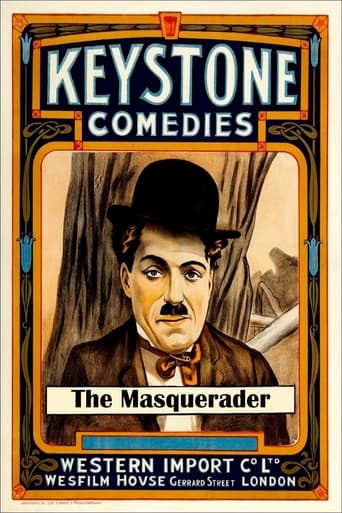
The Masquerader
1914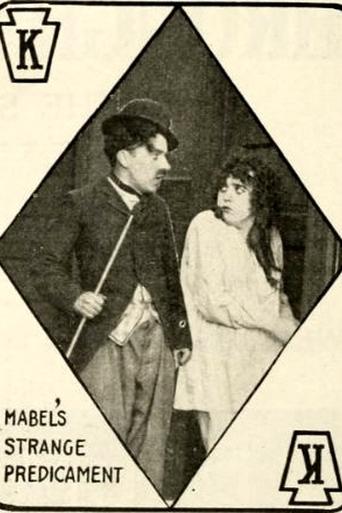
Mabel's Strange Predicament
1914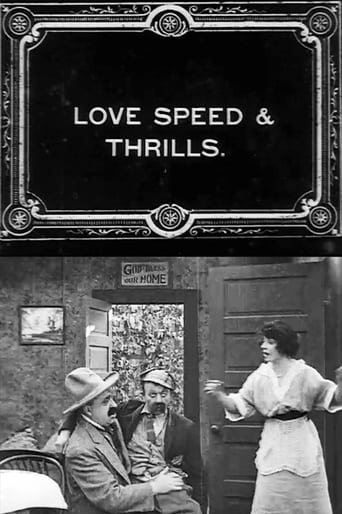
Love, Speed and Thrills
1915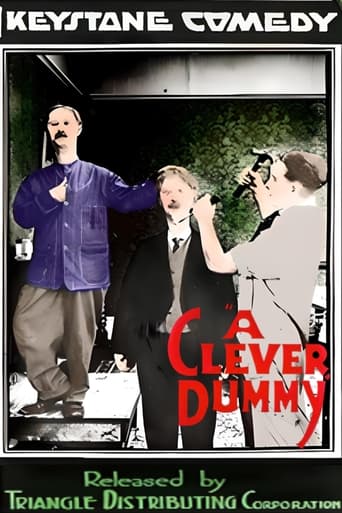
A Clever Dummy
1917
When Ambrose Dared Walrus
1915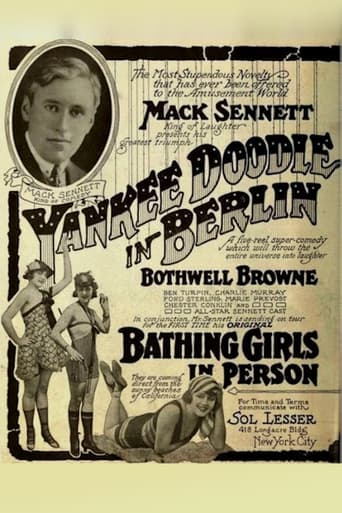
Yankee Doodle in Berlin
1919
A Hash House Fraud
1915
Anna Christie
1923
The Virginian
1929
A Bird's a Bird
1915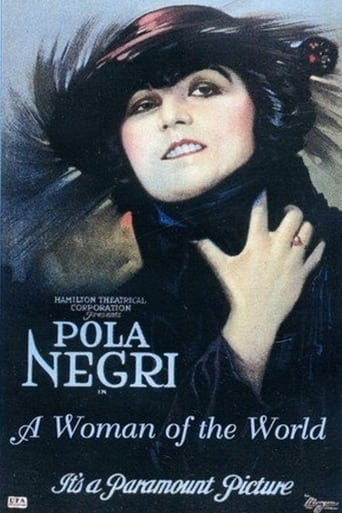
A Woman of the World
1925About Chester Conklin
American silent film comedian who rose to fame as one of the original stars of Mack Sennett's Keystone Studios. Born in 1886 in Oskaloosa, Iowa, Conklin began his entertainment career in vaudeville before joining Keystone in 1913, where he quickly became one of the studio's most reliable comic actors. He developed a distinctive screen persona characterized by his trademark mustache (often confused with Chaplin's but distinctly different), expressive face, and impeccable comic timing. Conklin appeared in hundreds of short comedies during the silent era, frequently collaborating with Charlie Chaplin, Mabel Normand, and Mabel's Busy Day. He was an original member of the Keystone Cops and became known for his ability to play both comic foils and lead characters with equal effectiveness. As the silent era transitioned to sound, Conklin successfully adapted his career, appearing in supporting roles in numerous films throughout the 1930s and 1940s, often uncredited but always recognizable. His over four decades, during which he appeared in more than 400 films, making him prolific character actors of early Hollywood. Conklin retired from acting in the 1950s and spent his later years in California, remembered as one of the foundational figures of American film comedy.
The Craft
On Screen
Conklin specialized in broad physical comedy with exaggerated facial expressions and pratfalls, yet brought a subtle intelligence to his roles. His style was distinctly different from the more manic Keystone performers - he used a deadpan delivery and controlled movements that made his comic moments more effective. He was particularly skilled at playing the exasperated straight man to more chaotic characters, while still maintaining his own comic presence. His mustache became a key part of his visual comedy, twitching and moving to emphasize his reactions.
Milestones
- Joined Mack Sennett's Keystone Studios in 1913
- Became original member of the Keystone Cops
- Starred in numerous Charlie Chaplin early films (1914)
- Developed distinctive comic persona with trademark mustache
- Successfully transitioned from silent films to talkies
- Appeared in over 400 films throughout his career
- Worked with virtually every major silent comedy star
Best Known For
Iconic Roles
Must-See Films
Accolades
Special Recognition
- Hollywood Walk of Fame star (6301 Hollywood Boulevard)
- Keystone Studios legacy recognition as comedian
Working Relationships
Worked Often With
Studios
Why They Matter
Impact on Culture
Chester Conklin played a crucial role in establishing the language of American film comedy during its formative years. As one of the original Keystone comedians, he helped develop the fast-paced, physical comedy style that would define early Hollywood humor. His work with Charlie Chaplin in 1914 was instrumental in helping Chaplin refine his own comic techniques, with Conklin often serving as the perfect foil to Chaplin's Tramp character. Conklin's distinctive mustache and comic timing influenced generations of character actors, and his ability to transition from lead comic roles to supporting parts demonstrated the versatility needed for longevity in Hollywood. His participation in the creation of the Keystone Cops established one of cinema's most enduring comedy tropes, still referenced in films and television today.
Lasting Legacy
Chester Conklin's legacy endures as one of the foundational figures of American silent comedy. His extensive filmography provides a valuable record of early comedy techniques and the evolution of film humor from broad slapstick to more nuanced character comedy. While often overshadowed by more famous contemporaries like Chaplin and Keaton, film historians recognize Conklin's crucial contributions to the development of screen comedy. His ability to work consistently for over four decades, adapting to changing technologies and audience tastes, demonstrates remarkable professional resilience. Conklin represents the journey of countless character actors who formed the backbone of early Hollywood, providing essential support to stars while maintaining their own distinct comic identity.
Who They Inspired
Conklin influenced physical comedy performers through his mastery of facial expressions and controlled comic timing. His approach to playing the exasperated everyman became a template for character actors in subsequent decades. The way he used his mustache as a comic prop inspired similar techniques by later comedians. His work in ensemble comedy at Keystone helped establish the importance of comic chemistry between performers, influencing how comedy ensembles would be cast and directed throughout film history.
Off Screen
Chester Conklin married twice during his lifetime. His first marriage was to actress Vivian Edwards in 1916, which ended in divorce. He later married Catherine Blood in 1932, with whom he remained until his death. Conklin was known in Hollywood as a reliable professional who rarely missed work and maintained good relationships with his colleagues. Despite his prolific career, he lived a relatively modest lifestyle compared to many of his contemporaries. He was known for his dry wit off-screen and often entertained friends with stories from the early days of Hollywood.
Education
Limited formal education; attended local schools in Iowa before entering vaudeville
Family
- Vivian Edwards (1916-1924, divorced)
- Catherine Blood (1932-1971, his death)
Did You Know?
- His famous mustache was actually grown before Chaplin's, leading to occasional confusion between the two performers
- He appeared in more films with Charlie Chaplin in 1914 than any other actor
- Was one of the few Keystone performers to successfully transition to sound films
- Often worked without on-screen billing in his later years, making his exact film count difficult to determine
- His first film appearance was in 'The Bangville Police' (1913), an early Keystone Cops comedy
- He was paid $35 per week when he first joined Keystone Studios
- Conklin was known for his remarkable memory and could recall details from films made decades earlier
- He survived the transition from silent films to talkies when many of his contemporaries did not
- His final film appearance was in 'The Big Operator' (1959), nearly 50 years after his debut
- He was known for his professionalism and was never late to a set throughout his entire career
In Their Own Words
In the old days, we made a picture a day. Sometimes two. We didn't have time to think about whether it was art - we just had to make them laugh.
Chaplin was a genius, but he was also hard to work with sometimes. He knew exactly what he wanted, and he'd keep doing a scene until he got it.
The mustache? I grew it before Charlie grew his. People used to get us mixed up all the time.
We didn't have stuntmen in those days. If you got hit with a pie, you really got hit with a pie. If you fell down, you really fell down.
Making pictures at Keystone was like being in a circus. Every day was something new, something crazy.
Frequently Asked Questions
Who was Chester Conklin?
American silent film comedian who rose to fame as one of the original stars of Mack Sennett's Keystone Studios. He was known for his distinctive mustache, expressive face, and appearances in hundreds of early comedies, frequently working alongside Charlie Chaplin.
What films is Chester Conklin best known for?
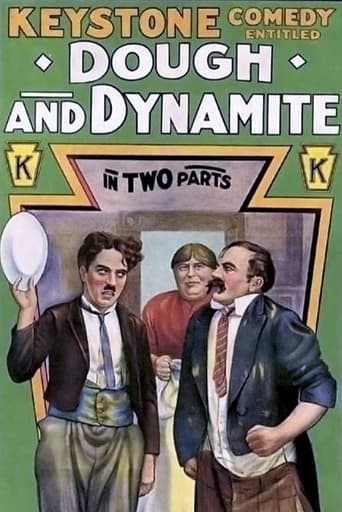
Titles linked here include Dough and Dynamite (1914), Twenty Minutes of Love (1914).
When was Chester Conklin born and when did he die?
Born January 11, 1886; died October 11, 1971.
What awards did Chester Conklin win?
While Chester Conklin did not receive major acting awards during his career, he was honored with a star on the Hollywood Walk of Fame at 6301 Hollywood Boulevard for his contributions to film comedy.
What was Chester Conklin's acting style?
Conklin specialized in broad physical comedy with exaggerated facial expressions and pratfalls, but brought a subtle intelligence to his roles. He used a deadpan delivery and controlled movements, excelling at playing exasperated straight men while maintaining his own comic presence.
Did Chester Conklin work with Charlie Chaplin?
Yes, Conklin worked extensively with Charlie Chaplin in 1914 during Chaplin's first year at Keystone Studios. He appeared in more films with Chaplin that year than any other actor, often serving as the perfect comic foil to Chaplin's Tramp character.
How long was Chester Conklin's career?
Chester Conklin's film active years covered nearly five decades, from his debut in 1913 to his final appearance in 1959. He appeared in over 400 films, making him.