
Dough and Dynamite
"Strikebreakers, sourdough, and sudden explosions"
Keys: Space play/pause · ←/→ 10s · F fullscreen · M mute · </> speed
About this film
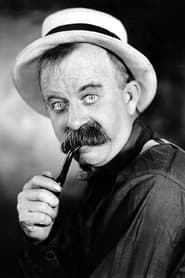
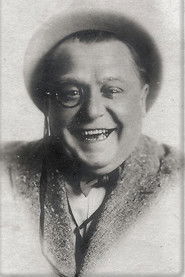
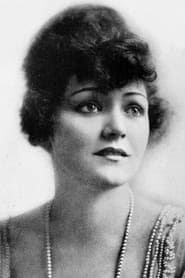
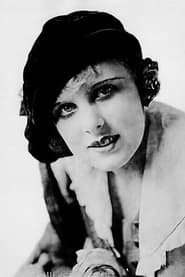
Pierre and Jacques are working as waiters at a restaurant where the cooks go on strike. When the two are forced to work as bakers, the striking cooks put dynamite in the dough, with explosive results.
Cast & crew
More films like this


More Comedy films
View all →







More from Charlie Chaplin
View all →


More about this film
About the production
Release dateOctober 26, 1914
ProductionKeystone Studios
Filmed inLos Angeles, California, Keystone Studios lot
This film was produced during Chaplin's first year at Keystone Studios, a period when he was rapidly developing his iconic Tramp character. The film was shot in just a few days, typical of Keystone's rapid production schedule. The explosive effects were achieved using practical effects with flour and controlled explosions, a dangerous undertaking for the time. Chaplin was given significant creative control despite being new to the studio, allowing him to refine his physical comedy style.
Themes
Themes & topics
PierreJacquesworkingwaiters
Historical background
Released in October 1914, Dough and Dynamite arrived as Charlie Chaplin was refining the Tramp at Keystone Studios during the first months of World War I.
Why this film matters
Kitchen chaos and labor strife gave Chaplin a proving ground for escalating slapstick that would define his later features.
Making of
Production records for Dough and Dynamite are limited, though release paperwork confirms its place in 1914 distribution.
What critics said
Trade papers in 1914 singled out the bakery explosion; revival programmers still screen it as a compact example of Keystone mayhem.
Did you know?
- Dough and Dynamite is documented as a 1914 release in studio and trade listings.
- Surviving materials help place Dough and Dynamite among contemporaneous shorts and features.
Visual style
The cinematography by 'Billy' Bitzer and the Keystone camera team utilized the standard techniques of the era but with particular attention to framing physical comedy. The camera work emphasizes the spatial relationships between characters and their environment, crucial for the film's slapstick sequences. The bakery set was designed to allow for maximum movement and chaos, with wide shots capturing the full scope of the comedic destruction. The camera remains relatively static, typical of 1914 filmmaking, but the blocking and choreography create dynamic visual interest. The flour explosion sequence uses the camera's fixed position to create a dramatic reveal as the chaos gradually fills the frame.
Innovations
While not technologically groundbreaking, 'Dough and Dynamite' showcased advanced techniques for practical effects and comedy choreography. The film's explosive effects, while simple by modern standards, were carefully orchestrated to create maximum visual impact while ensuring cast safety. The production team developed innovative methods for creating the illusion of exploding bread, using controlled flour releases and timed explosions. The film's pacing and editing represent a refinement of Keystone's rapid-cut style, with Chaplin influencing the rhythm of cuts to enhance comedic timing. The bakery set design was particularly notable for its functional aspects, allowing for the complex physical comedy sequences that defined the film.
Music
As a silent film, 'Dough and Dynamite' would have been accompanied by live musical performance in theaters. Typical Keystone films were scored with popular songs of the era and classical pieces chosen to match the on-screen action. For this film, theaters likely used upbeat, comedic music during the restaurant scenes, building to more dramatic and frantic music during the dynamite sequences. The score would have emphasized the rhythm of Chaplin's movements and punctuated the physical gags. Some theaters might have used specific Keystone-approved cue sheets, while others employed improvising musicians who created original accompaniment based on the film's action.
Famous quotes
(Silent film - no dialogue, but famous visual gags include Chaplin's frantic attempts to knead dough with dynamite hidden inside, and his iconic flour-covered appearance during the explosion sequence)
Memorable scenes
- The opening sequence where Pierre and Jacques struggle as waiters, dropping trays and creating chaos in the restaurant; The moment Pierre discovers dynamite in the dough while kneading, leading to panicked attempts to remove it; The escalating chaos in the bakery as multiple loaves begin exploding; The spectacular finale where the entire bakery erupts in flour and debris, leaving Chaplin completely covered and dazed; The final shot of Chaplin emerging from the wreckage, completely white with flour but still attempting to maintain his dignity as the Tramp.
What audiences thought
The film was enormously popular with audiences of 1914, who were captivated by Chaplin's growing fame and his increasingly sophisticated comedy. Theater owners reported strong attendance and frequent requests for repeat showings. The explosive finale became particularly famous, with audiences often erupting in laughter at the sight of Chaplin covered in flour and chaos. Contemporary accounts describe audiences standing and cheering during the bakery explosion sequence. The film's success helped cement Chaplin's status as the biggest comedy star in the world, with his name alone becoming a significant draw for movie theaters across America and internationally.
Film connections
Influenced by
- French and Italian slapstick traditions
- Music hall comedy
- Mack Sennett's Keystone style
- Commedia dell'arte character archetypes
- Early American vaudeville
This film influenced
- The Count (1916)
- The Gold Rush (1925)
- Modern Times (1936)
- The Great Dictator (1940)
- Numerous Three Stooges shorts
- Looney Tunes bakery cartoons
Film restoration
Availability of Dough and Dynamite depends on archive holdings and rights status.