Fritz Schade
Actor
Born: January 19, 1880 in Dresden, Kingdom of Saxony, German Empire Died: June 17, 1926 Active: 1914-1916
Films
10 films

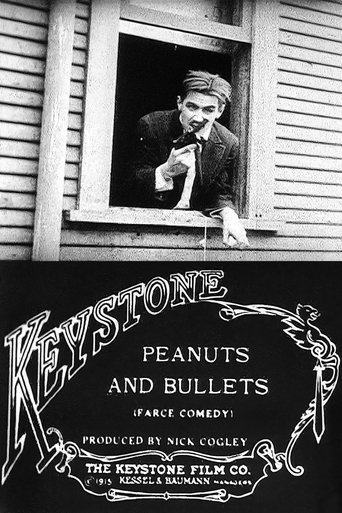

About Fritz Schade
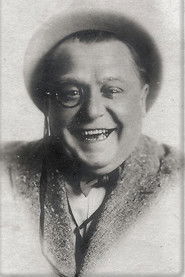
German-American character actor who became a prominent figure in the early days of American silent comedy, particularly during his tenure at Mack Sennett's Keystone Studios. Born in Germany, he immigrated to the United States and transitioned into acting, finding his niche in the chaotic and physical world of slapstick comedy. Schade appeared in numerous short films between 1914 and 1916, often playing antagonistic or comically authoritative figures, such as stern fathers, police officers, or frustrated proprietors, who served as perfect foils for the studio's comedic stars. He worked alongside legends like Charlie Chaplin, Mabel Normand, and the Keystone Cops, contributing to the anarchic energy that defined the studio's output. His distinctive appearance, complete with a prominent mustache and a stocky build, made him a recognizable and reliable presence in dozens of one- and two-reel comedies. Although his career was tragically cut short by his untimely death, Schade's prolific output cemented his place as a memorable supporting player in the foundational years of Hollywood comedy. His work remains proof of the ensemble nature of Keystone's success, where reliable character actors were essential to the comedic formula.
The Craft
On Screen
Fritz Schade's acting style was rooted in the broad, physical comedy of the Keystone era. He specialized in playing exasperated, blustering characters whose serious demeanor was hilariously undermined by the chaos unfolding around them. His style relied heavily on exaggerated facial expressions, particularly scowls and wide-eyed disbelief, and physical reactions to the slapstick violence and absurdity. He excelled in the slow burn, building his character's frustration to a boiling point before a comedic payoff, making him the perfect straight man and foil for the more manic leads.
Milestones
- Became a regular supporting actor at Mack Sennett's Keystone Studios in 1914
- Appeared in multiple films with Charlie Chaplin during Chaplin's first year at Keystone
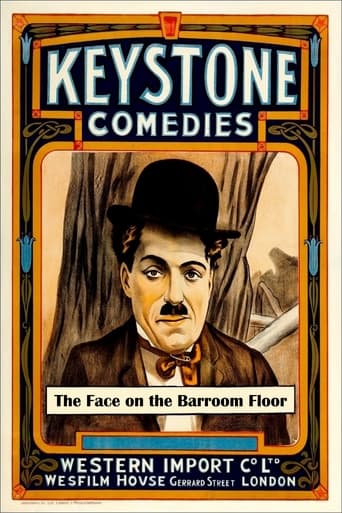
- Played memorable antagonist roles in classic Keystone comedies like 'The Masquerader' and 'The Face on the Barroom Floor'
- Established a screen persona as a comically stern or frustrated authority figure
Best Known For
Iconic Roles
Must-See Films
Working Relationships
Worked Often With
Studios
Why They Matter
Impact on Culture
Fritz Schade's cultural impact lies in his role as a foundational piece of the Keystone Studios comedy machine. While not a star, he was an essential component of the ensemble that created some of the most influential and enduring comedies of the silent era. His work with Charlie Chaplin contributed to the development of Chaplin's notable 'Little Tramp' character, as Schade's imposing figures provided the perfect obstacles for Chaplin's resourceful but downtrodden hero. Schade and his fellow supporting actors helped establish the language of screen comedy, from the slow-burn reaction to the use of physical contrast between characters. His performances, preserved in these classic shorts, continue to be studied by film historians and enjoyed by audiences as a window into the raw, energetic beginnings of Hollywood comedy.
Lasting Legacy
Fritz Schade's legacy is that of a highly reliable and memorable character actor who helped define the golden age of silent slapstick. Though his name is not widely known today, his face is familiar to anyone who has explored the early filmography of Charlie Chaplin or the output of Keystone Studios. He represents the army of unsung performers whose work was crucial to the success of the stars and the studios they served. His filmography serves as a valuable record of the collaborative nature of early comedy, and his performances stand as excellent examples of the craft of supporting comedic acting in the 1910s. He remains a significant figure for silent film enthusiasts seeking to understand the full scope of talent that made the era so magical.
Who They Inspired
As a supporting actor, Fritz Schade's direct influence on subsequent generations of performers is difficult to trace, but his work exemplified a style that would become a staple of screen comedy. His ability to play the 'straight man' with a comedic edge influenced countless character actors who followed. The archetype of the blustering, easily frustrated authority figure that he perfected became a recurring trope in film and television comedy for decades. His contributions to the Chaplin shorts helped shape the comedic dynamics that would influence comedians from Buster Keaton to The Three Stooges and beyond.
Off Screen
Fritz Schade's personal life is not extensively documented, which is common for many supporting actors of the silent era. He immigrated from his native Germany to the United States, settling in California to pursue his career in the burgeoning film industry. He was married to actress Phyllis Allen, another prominent Keystone player who frequently appeared alongside Chaplin and other comedy stars. The couple's marriage was a union of two people deeply embedded in the world of early Hollywood comedy. Schade's life was cut short when he died at the age of 46 in 1926, a decade after his film career had ended.
Family
- Phyllis Allen (m. Unknown, until his death in 1926)
Did You Know?
- He was married to fellow Keystone Studios actress Phyllis Allen, who often played formidable and domineering women in comedies.
- Despite his German birth, he was a naturalized American citizen and worked exclusively in American cinema.
- He appeared in at least 10 films with Charlie Chaplin during Chaplin's prolific first year in Hollywood (1914).
- His career was remarkably brief but incredibly prolific, with over 60 film credits packed into just three years (1914-1916).
- Schade often played characters who were physically larger than the comedic stars, using his size to create a visual comedic contrast.
- He frequently worked with director George Nichols, who directed many of Chaplin's early Keystone films.
- Like many actors of his era, he was a stage performer before transitioning to the new medium of motion pictures.
- His death in 1926 was reported to be from a long illness, cutting short a life that was still relatively young.
In Their Own Words
As a silent film actor, Fritz Schade's legacy is in his visual performance rather than spoken words. His most famous 'lines' were the exasperated glares and slow burns he delivered to comedic stars like Charlie Chaplin, often conveying more frustration and humor than any line of dialogue could.
Frequently Asked Questions
Who was Fritz Schade?
German-American character with credits in this catalog. He frequently played stern, comically frustrated characters opposite stars like Charlie Chaplin during the mid-1910s.
What films is Fritz Schade best known for?
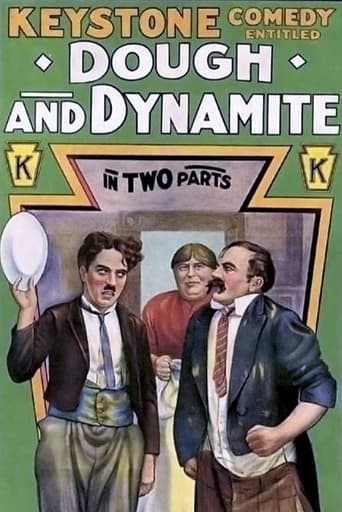
Titles linked here include Dough and Dynamite (1914), The Masquerader (1914).
When was Fritz Schade born and when did he die?
Born January 19, 1880; died June 17, 1926.
What awards did Fritz Schade win?
Fritz Schade did not receive any major formal awards for his work. During his era, acting awards for film were not yet established, and his contributions are recognized today through his significant role in the history of silent comedy.
What was Fritz Schade's acting style?
His acting style was defined by the broad, physical comedy of the Keystone era. He specialized in playing blustering, exasperated authority figures, using exaggerated facial expressions and physical reactions to serve as the perfect comedic foil to the slapstick chaos around him.
Did Fritz Schade work with Charlie Chaplin?
Yes, Fritz Schade worked extensively with Charlie Chaplin during Chaplin's first year at Keystone Studios in 1914. He appeared in over ten of Chaplin's early short films, often playing the antagonist or a figure of authority for Chaplin's 'Little Tramp' character to outwit.