
Laughing Gas
"Open wide, laugh harder"
Keys: Space play/pause · ←/→ 10s · F fullscreen · M mute · </> speed
About this film
Although only a dental assistant, Charlie pretends to be the dentist. After receiving too much anesthesia, a patient can't stop laughing, so Charlie knocks him out with a club.
Cast & crew
More films like this


More Comedy films
View all →







More from Charlie Chaplin
View all →


More about this film
About the production
Release dateJuly 9, 1914
Box officeUnknown - box office records were not systematically kept for short films in 1914
ProductionKeystone Film Company
Filmed inKeystone Studios, Los Angeles, California
This was one of approximately 35 films Charlie Chaplin made in 1914 alone during his first year in cinema. The film was shot in just a few days, typical of Keystone's rapid production schedule. The dental office set was likely constructed on Keystone's studio lot. Chaplin was still developing his iconic Tramp character during this period, and his costume and mannerisms were evolving throughout these early films.
Themes
Identity and deceptionMedical anxietySocial class and authorityPhysical comedy and slapstickChaos and order
Themes & topics
dentistimpersonationlaughing gasmedical comedyslapstickmistaken identityphysical comedychaos
Historical background
Laughing Gas reached screens around 1914, produced in its country of origin. Silent-era houses paired such titles with live music and newsreel bills.
Why this film matters
Researchers cite Laughing Gas when tracing screen culture of its decade.
Making of
The production of 'Laughing Gas' took place during Chaplin's incredibly prolific period at Keystone Studios in 1914. Mack Sennett, the head of Keystone, gave Chaplin remarkable creative freedom despite his newcomer status. Chaplin was already beginning to assert control over his films, often improvising scenes and modifying scripts during shooting. The dental office setting allowed for Chaplin to experiment with physical comedy and timing, skills that would become his trademark. The cast and crew worked quickly under Sennett's production system, with multiple films often being shot simultaneously on the studio lot. Chaplin's methodical approach to comedy was already evident, as he would rehearse scenes repeatedly to perfect the timing and physical gags, which sometimes frustrated the fast-paced Keystone crew but resulted in superior comedy.
What critics said
Reviewers in 1914 weighed Laughing Gas on clarity, pacing, and audience response rather than prestige status. No single canonical review dominates later reference works for the title.
Did you know?
- This was one of the first films where Chaplin began experimenting with the character that would become The Tramp, though the character wasn't fully formed yet
- The film was released just months after Chaplin's film debut in February 1914, showing his incredibly rapid rise in Hollywood
- Keystone Studios produced films at an astonishing pace, often completing one-reel shorts in just 2-3 days
- The laughing gas effects were achieved through exaggerated acting rather than any special effects, as was common in early cinema
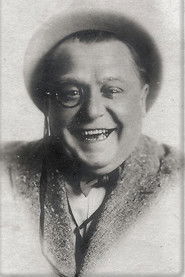
- Fritz Schade, who plays the patient, was a regular in Chaplin's Keystone films and often played the straight man to Chaplin's antics
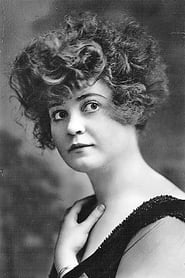
- Alice Howell, who appears in the film, was one of the few female comedians of the silent era and had her own distinctive comedic style
- The dental theme was popular in early comedy shorts, as it provided natural opportunities for physical humor and audience discomfort
- This film exists in the archives today, though some Keystone films from this period have been lost
- Chaplin was paid $150 per week at Keystone during this time, a substantial salary for the era
- The film was distributed by Mutual Film Corporation, which handled Keystone's releases
Visual style
The cinematography in 'Laughing Gas' follows the typical Keystone Studios style of 1914, featuring static camera positions and wide shots to capture the full range of physical action. The film was likely shot by a Keystone staff cameraman using hand-cranked cameras of the era. The lighting was natural or basic studio lighting, as sophisticated lighting techniques were still developing. The framing emphasizes the full bodies of the performers to showcase Chaplin's physical comedy and gestures. The dental office set was designed to be clearly visible and comprehensible in the limited visual field of early cameras. The cinematography prioritizes clarity and action over artistic composition, typical of comedy shorts of this period.
Innovations
While 'Laughing Gas' was not technically innovative for its time, it represents the standard filmmaking practices of the Keystone Studios in 1914. The film was shot on 35mm film at the standard silent frame rate of approximately 16-18 frames per second. The single-reel format (approximately 16 minutes) was the industry standard for comedy shorts. The film demonstrates effective use of continuity editing and clear narrative storytelling, which were still developing skills in early cinema. The physical comedy required precise timing and coordination between actors, which was technically challenging in an era before multiple takes became common. The film's survival and preservation make it technically valuable as an artifact of early American cinema.
Music
As a silent film, 'Laughing Gas' had no original synchronized soundtrack. During its initial theatrical run, the film would have been accompanied by live music, typically a pianist or small theater orchestra. The music would have been selected from standard photoplay music collections, with upbeat, playful tunes for comedic scenes and more frantic music during moments of chaos. Modern restorations and screenings of the film typically feature newly composed piano scores or period-appropriate classical music. Some contemporary versions feature orchestral scores that attempt to enhance the film's comedic timing and emotional beats, though these are not original to the 1914 release.
Famous quotes
(Silent film - no dialogue quotes available, but notable visual gags include Chaplin's exaggerated dental tool handling and the patient's uncontrollable laughing fit)
Memorable scenes
- The scene where the patient, under the influence of excessive laughing gas, cannot stop his hysterical laughter while Charlie desperately tries to continue the dental procedure, culminating in Charlie's frustrated decision to knock the patient out with a club to restore order to the chaotic dental office.
What audiences thought
Audiences in 1914 responded enthusiastically to 'Laughing Gas' and other Chaplin shorts. Chaplin was rapidly becoming a major box office draw, and theaters would often advertise 'A New Chaplin Comedy' to attract crowds. The film's simple premise and visual gags made it accessible to the diverse immigrant audiences that populated early movie theaters. The dental setting created relatable humor that transcended language barriers, important for international distribution. Modern audiences viewing the film today often appreciate it as a historical artifact and enjoy seeing the early development of Chaplin's comedic genius, though the humor may seem quaint compared to later Chaplin classics.
Film connections
Influenced by
- Mack Sennett's Keystone comedy style
- Vaudeville comedy traditions
- French and American slapstick films
- Max Sennett's Bathing Beauties films
- Physical comedy of early cinema pioneers
This film influenced
- Later Chaplin dental-themed comedies
- Keystone's other medical comedy shorts
- The Dentist (1932) starring W.C. Fields
- Medical comedy films of subsequent decades
- Slapstick comedy shorts of the 1920s
Film restoration
The film survives and is preserved in film archives. It has been restored and is available through various film preservation organizations and distributors. The film exists in the collections of major film archives including the Library of Congress and the Museum of Modern Art's film department. While some Keystone films from this period have been lost, 'Laughing Gas' is among the surviving Chaplin shorts from 1914.
Where to watch
- The film is available on various streaming platforms specializing in classic cinema
- Included in Chaplin short film collections on DVD and Blu-ray
- Available through The Criterion Channel
- Can be found on YouTube through authorized channels
- Accessible through some public domain film websites
- Available in the Chaplin: The Keystone Films collection